








Xochicalco
Archeological site
Xochicalco
Patrimonio mundial
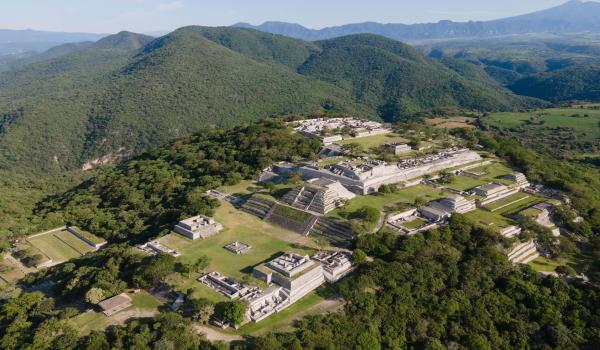
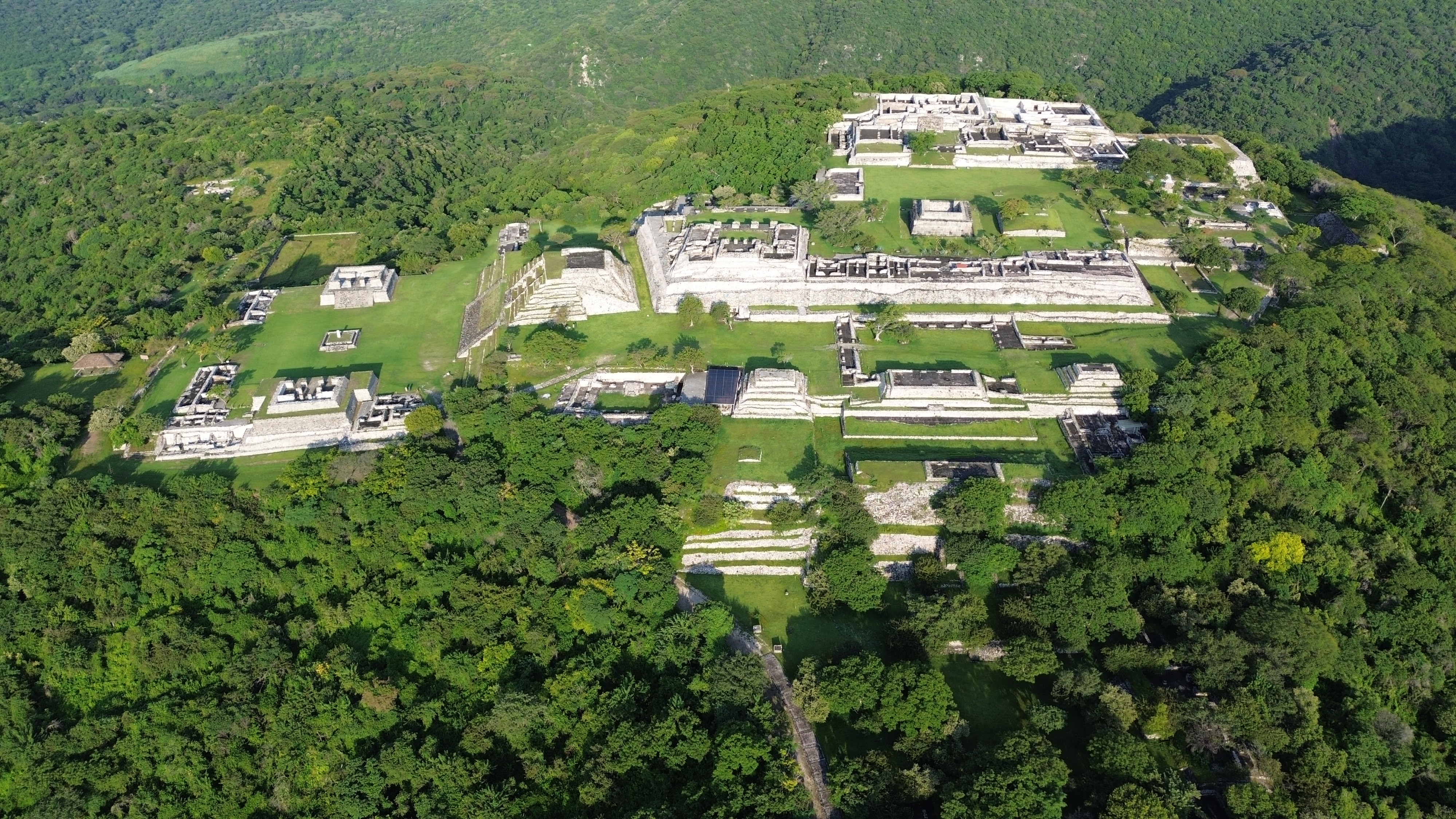
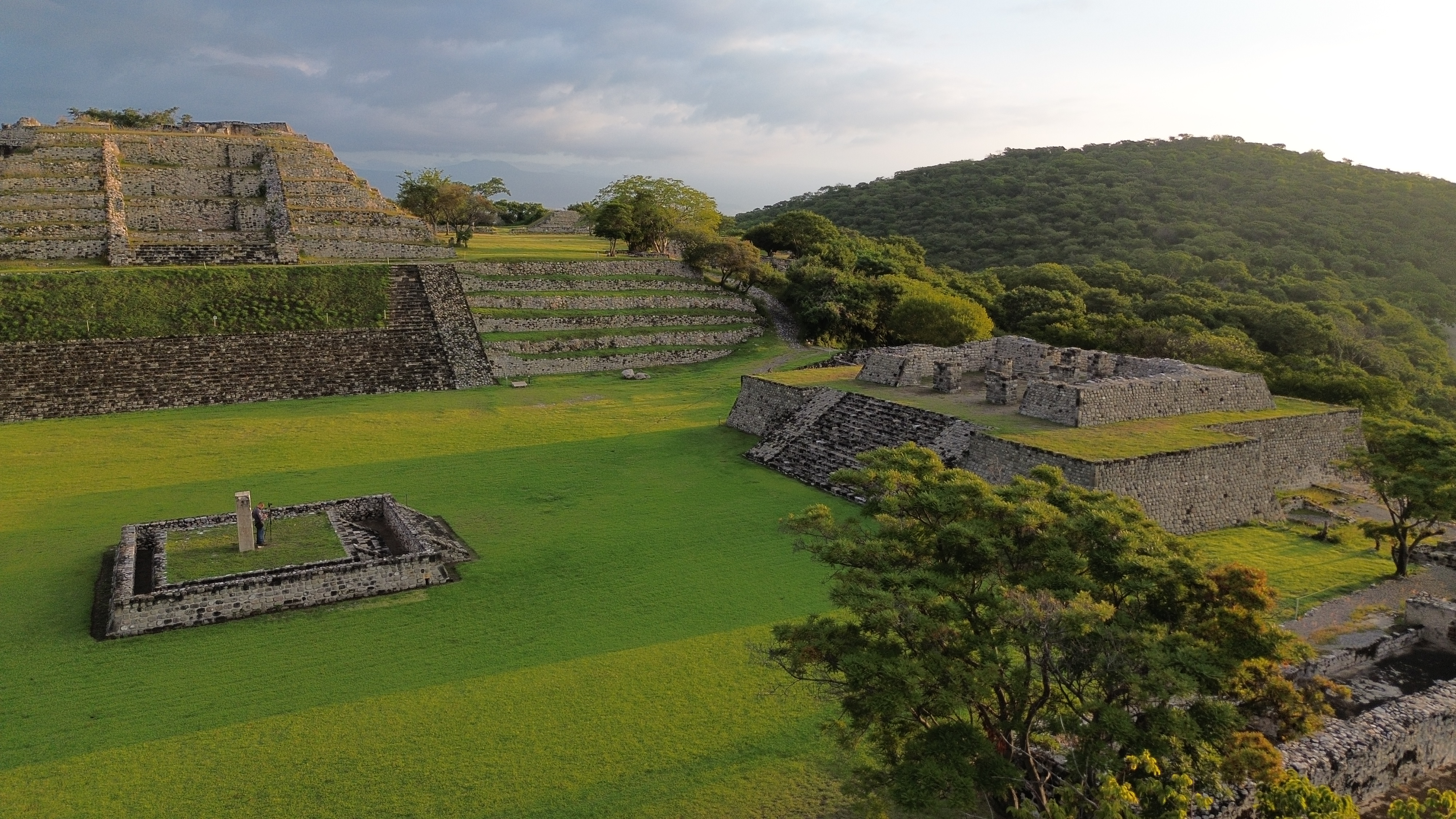
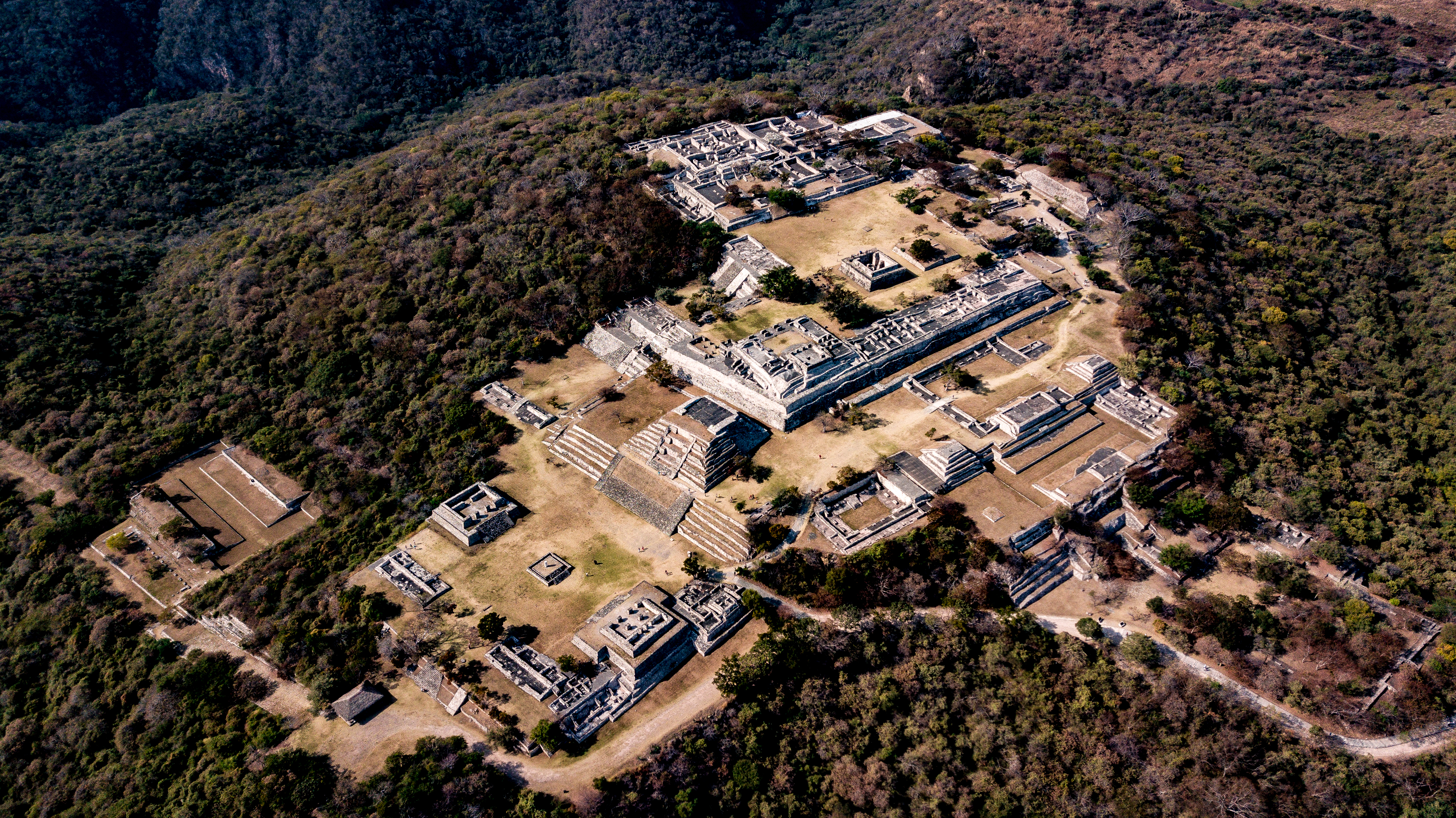
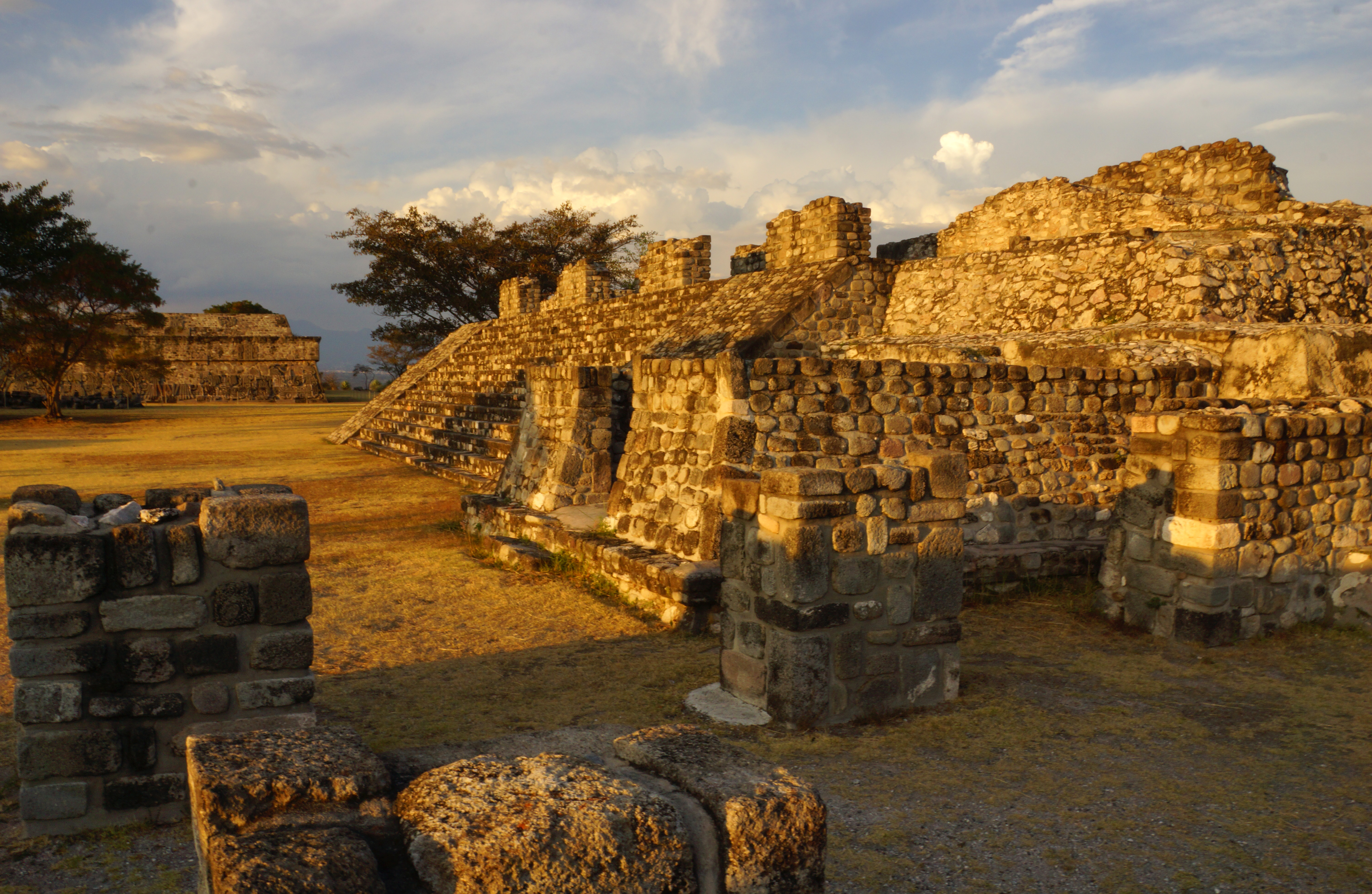
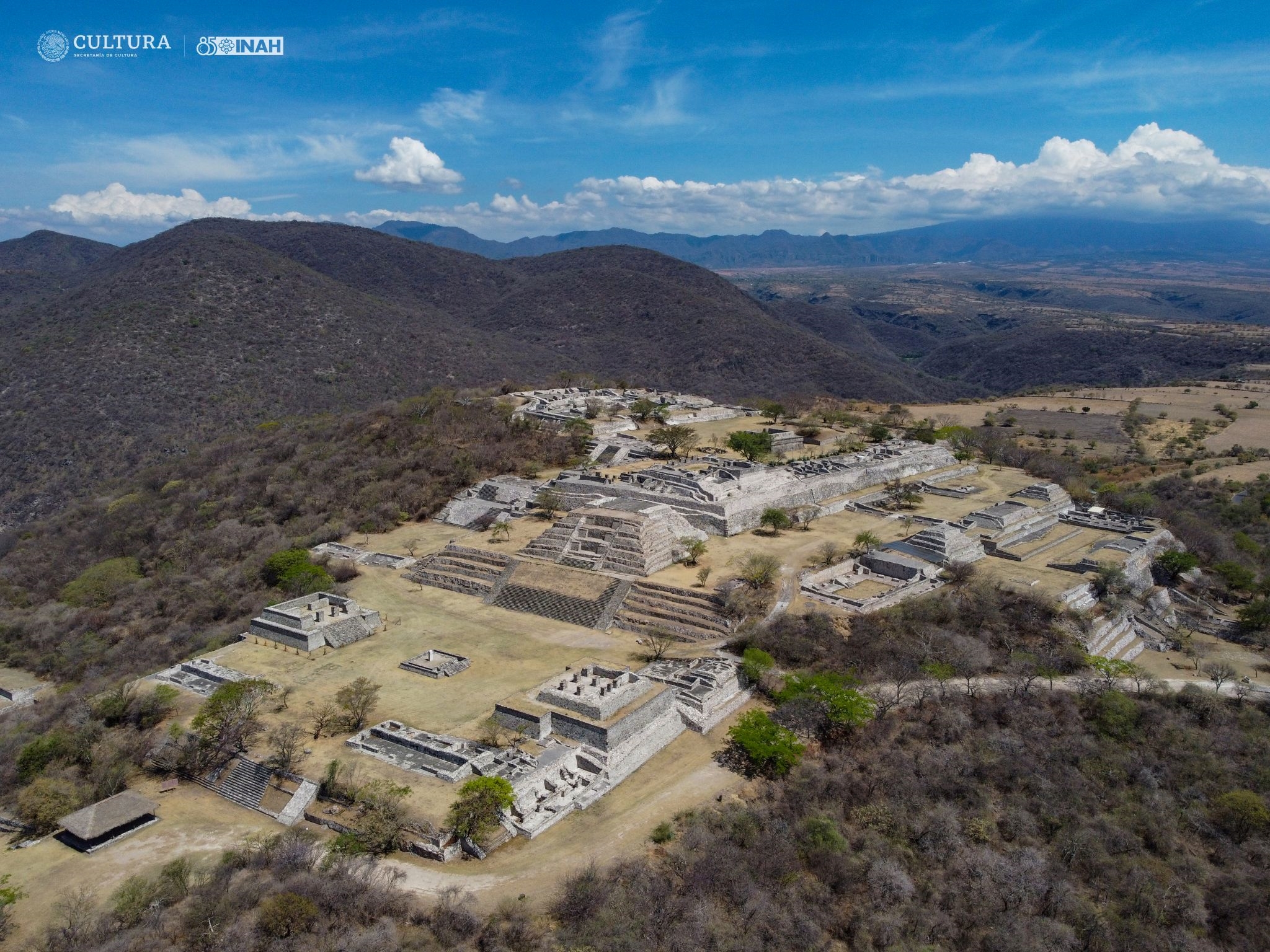
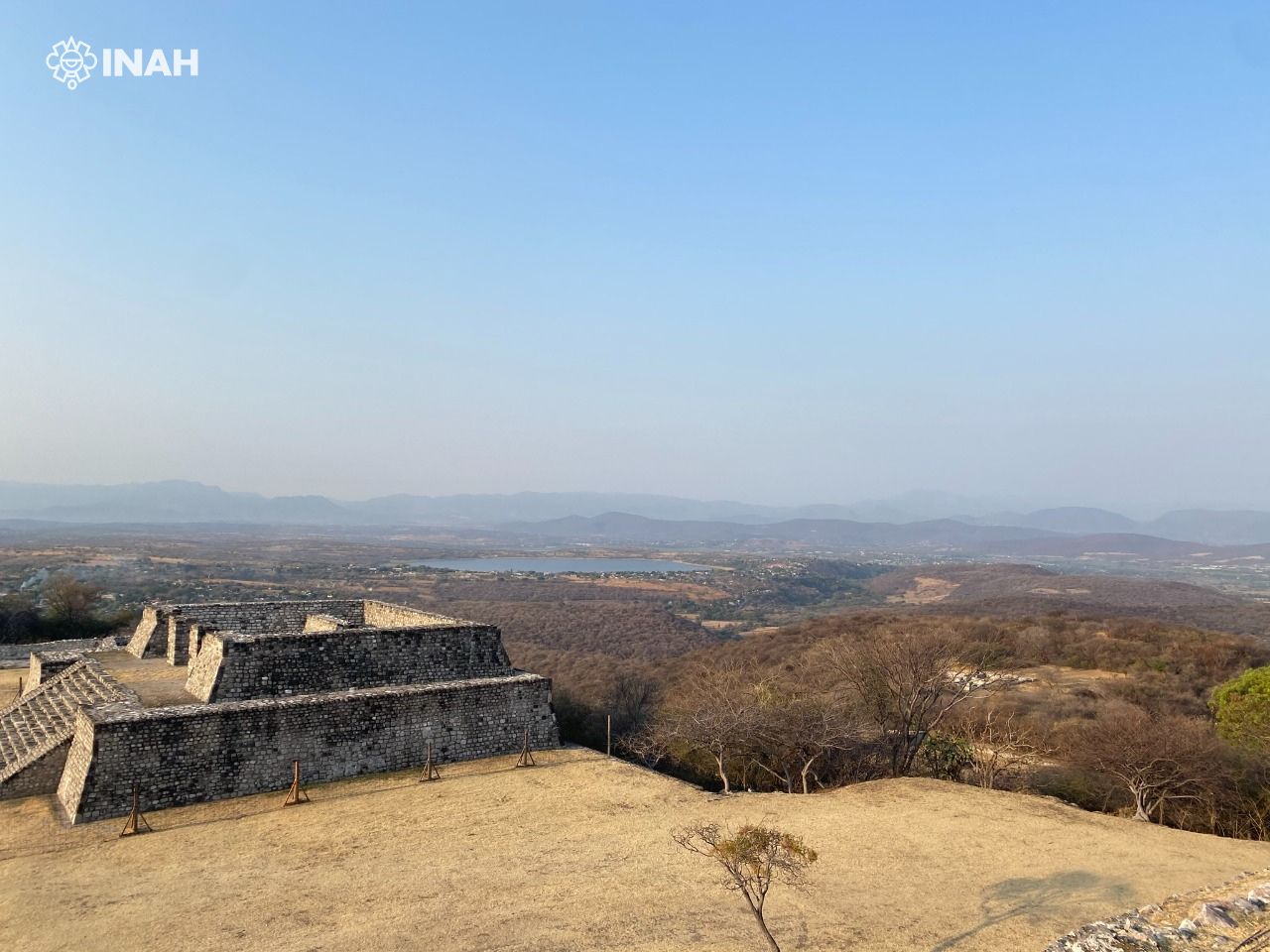
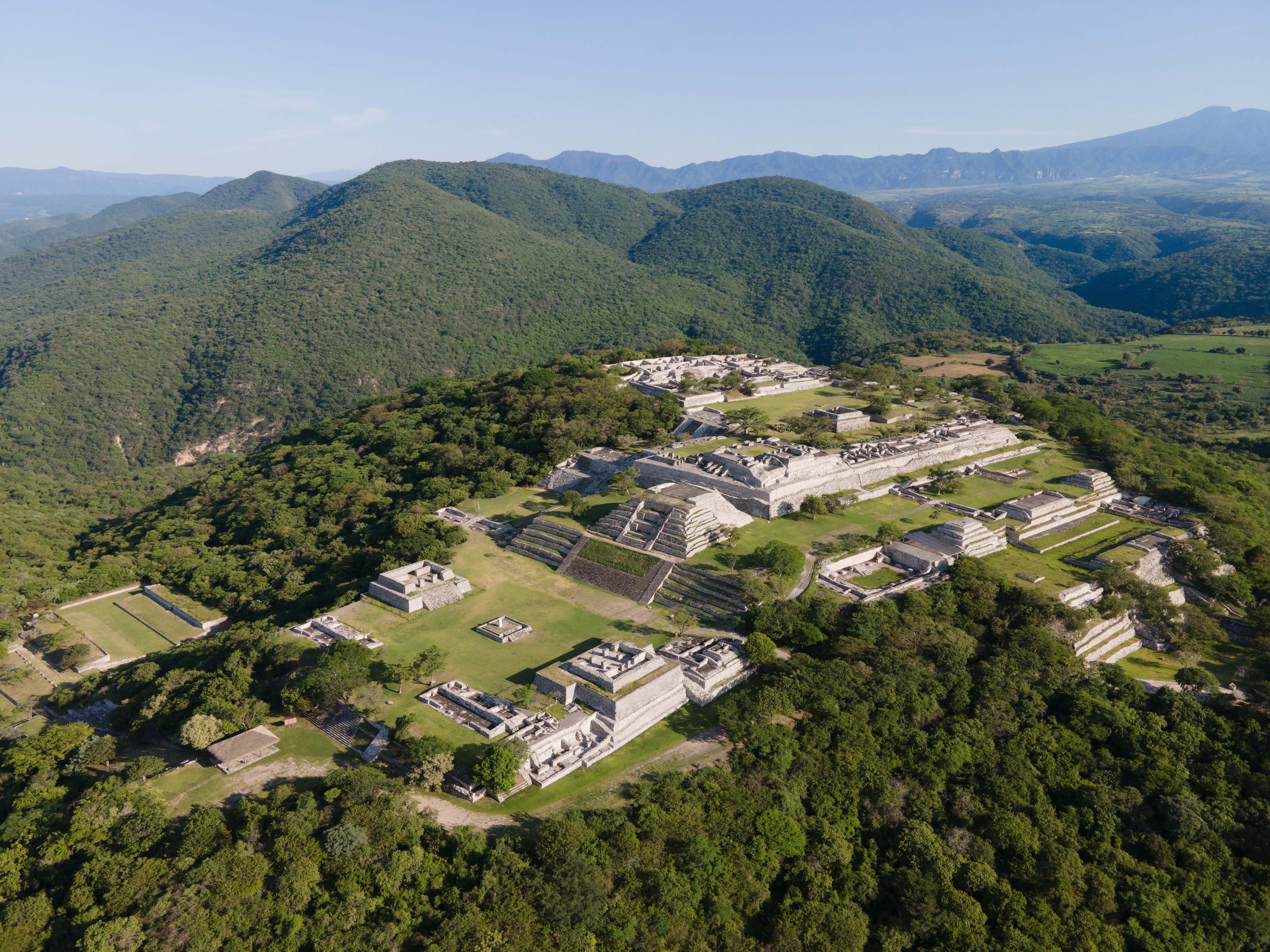
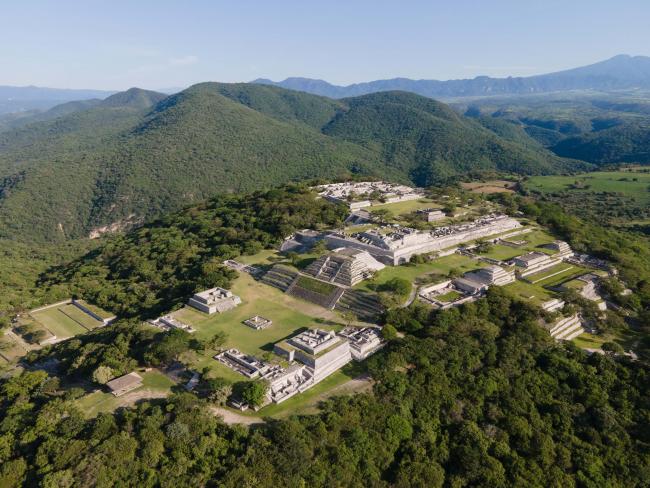
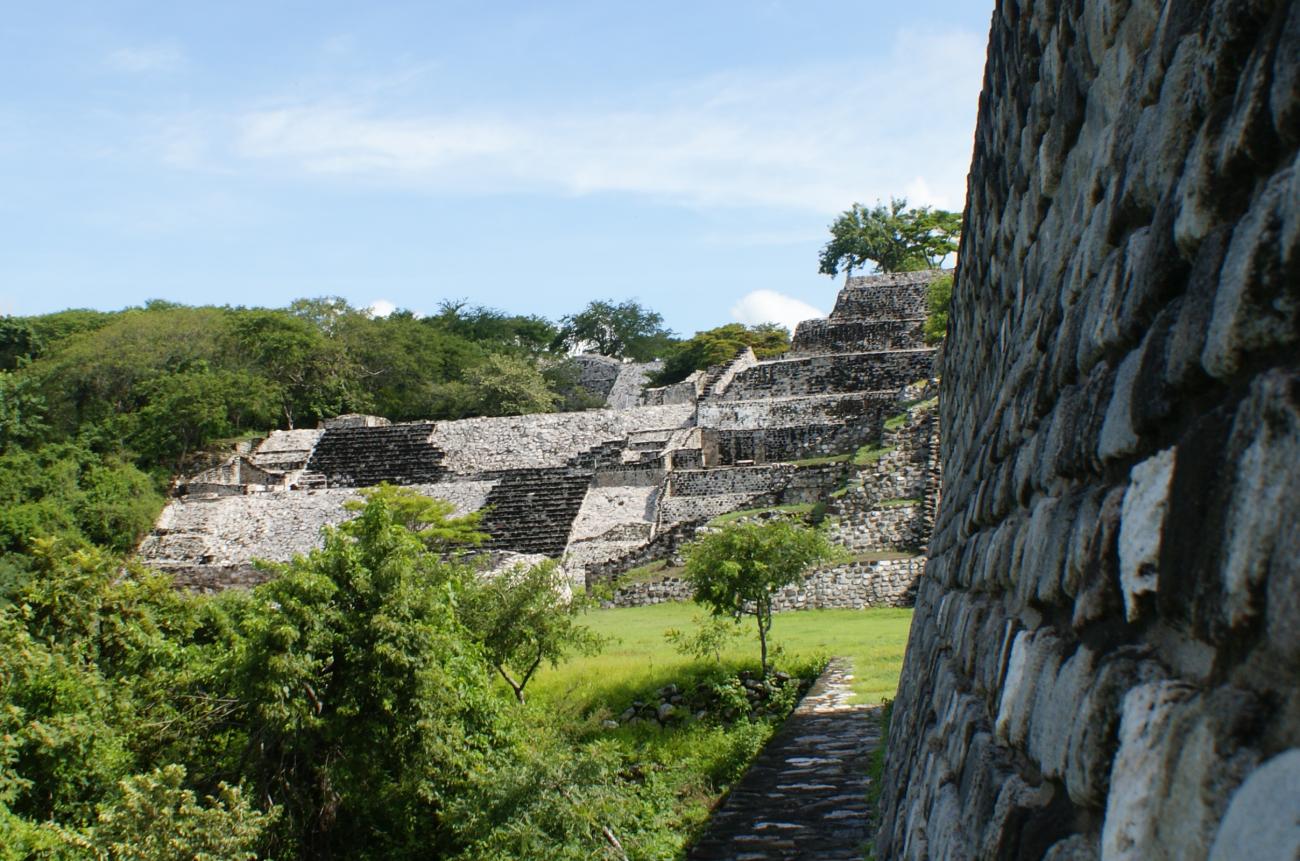
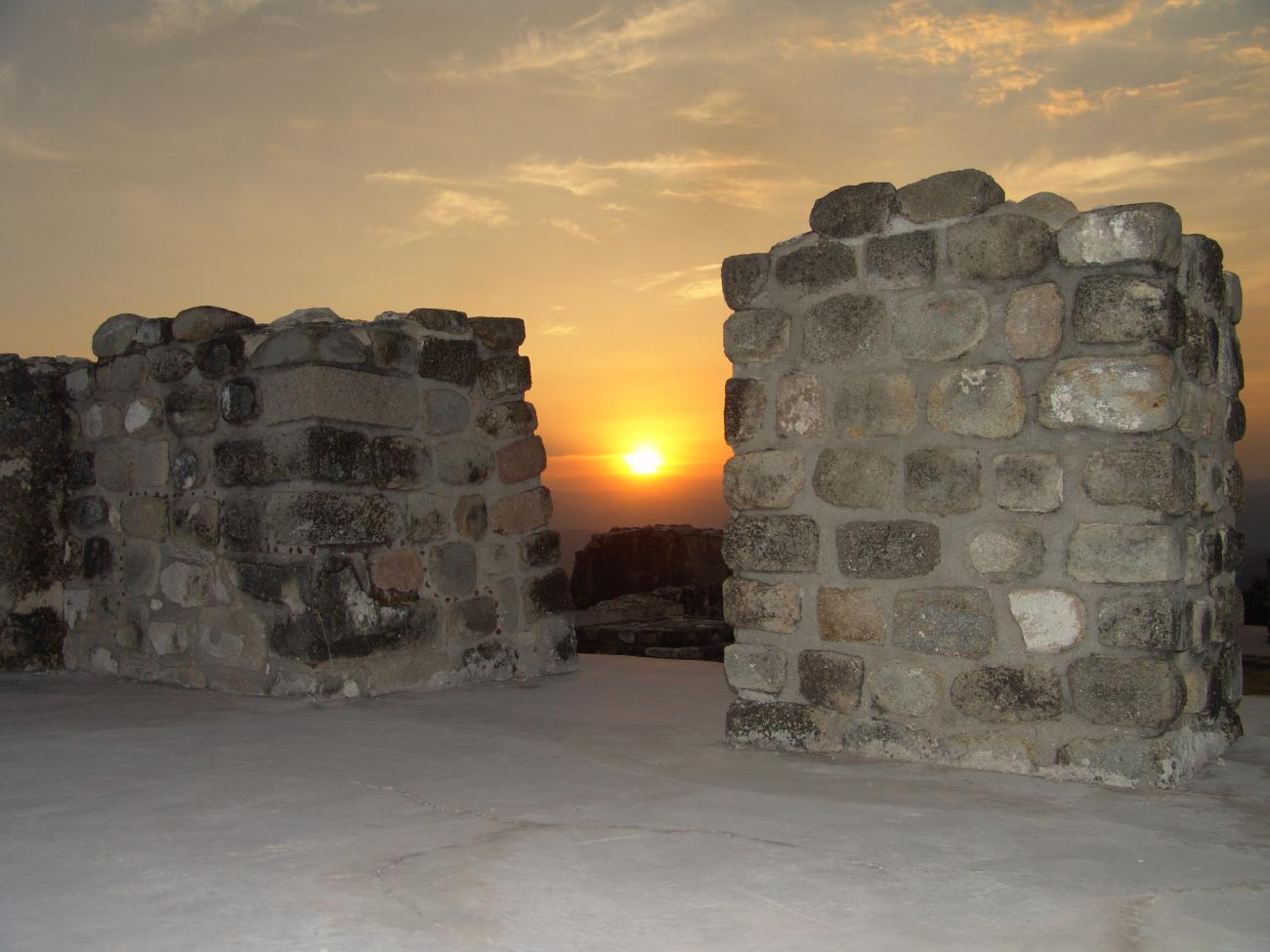
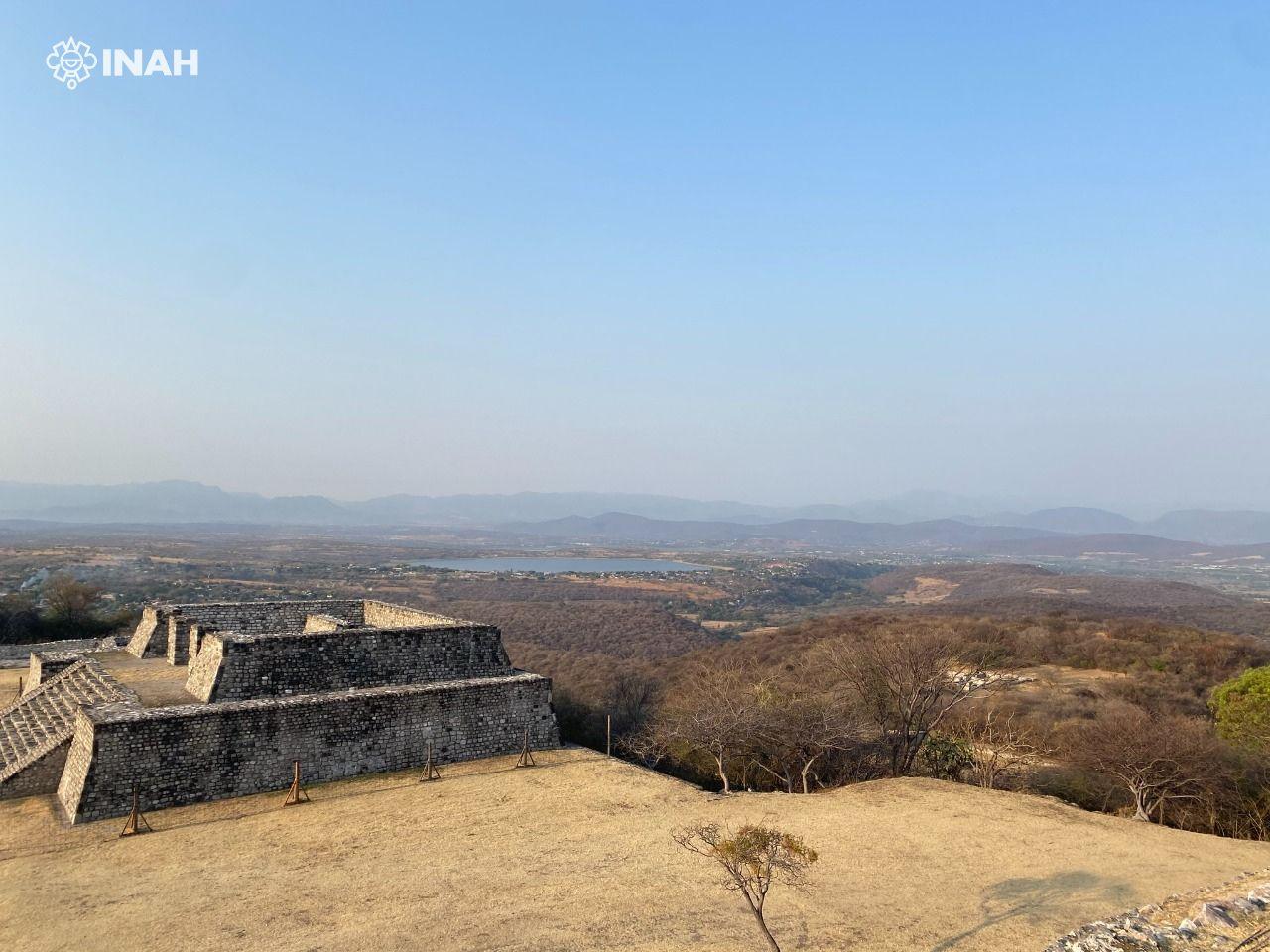
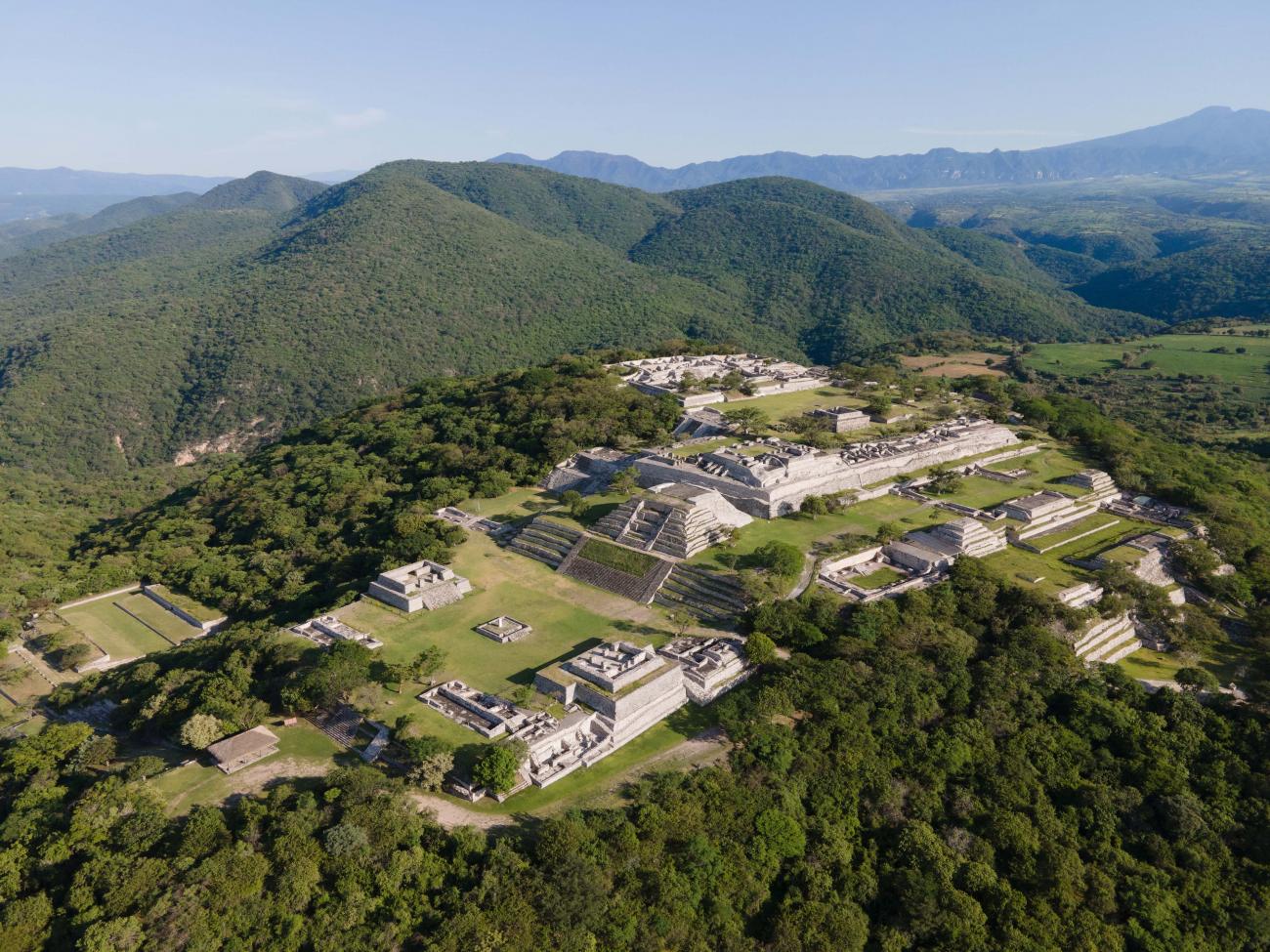
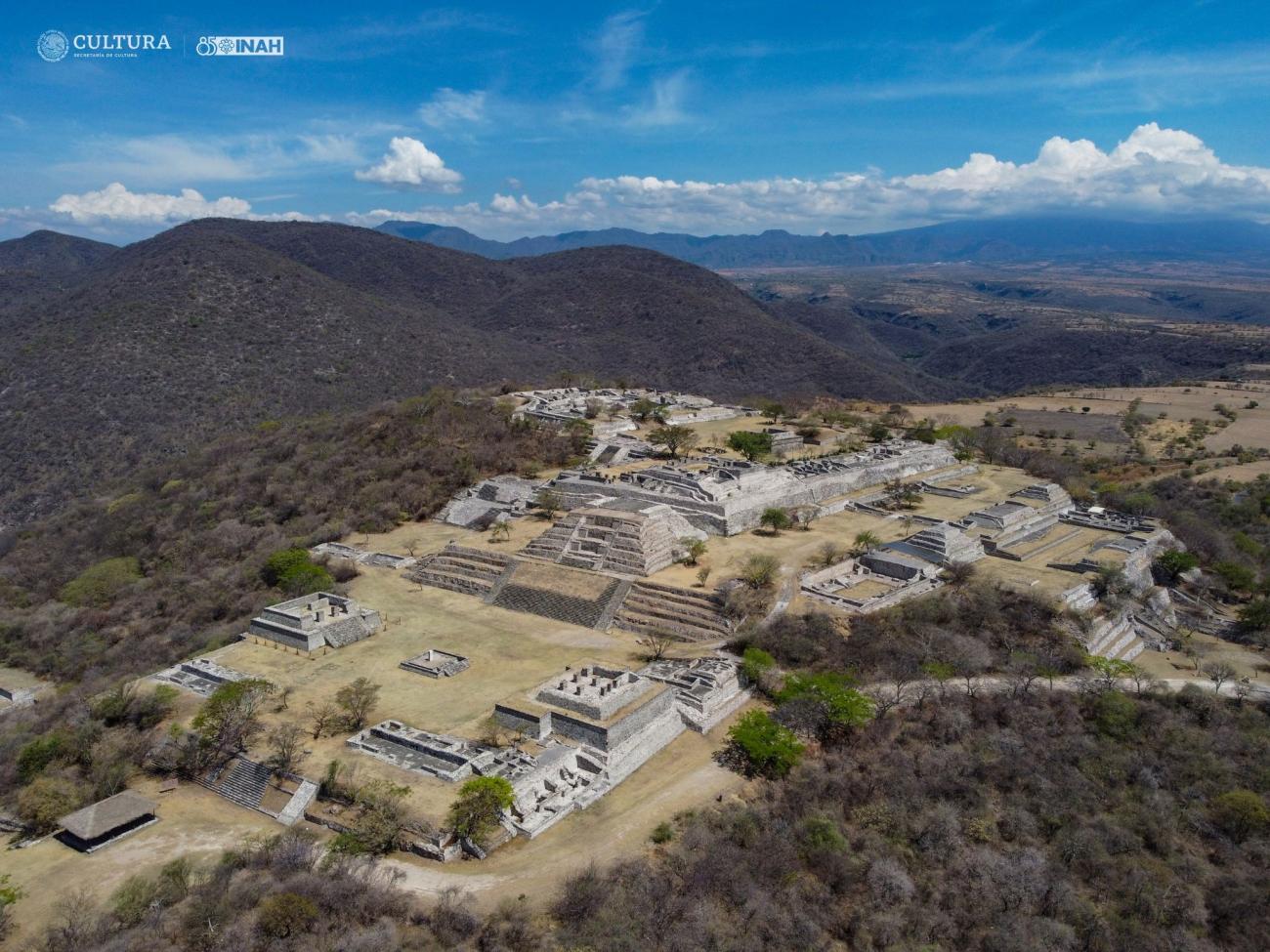
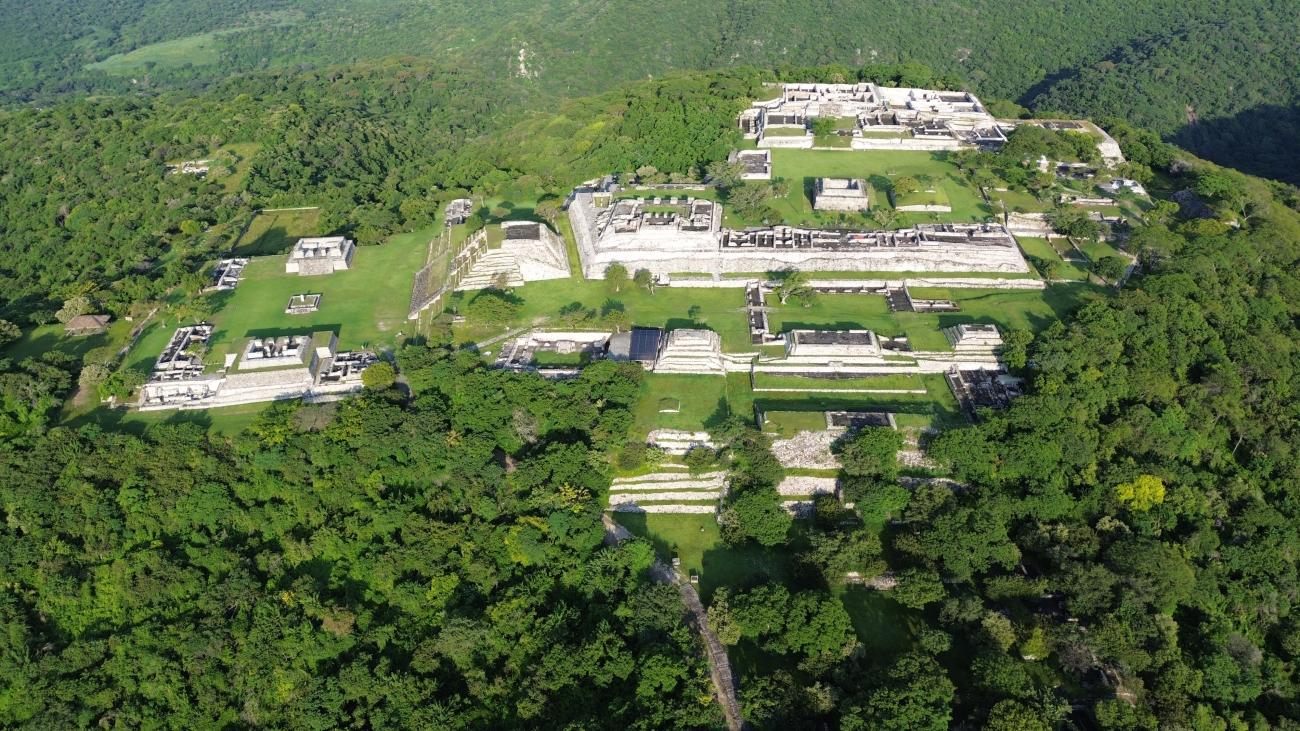
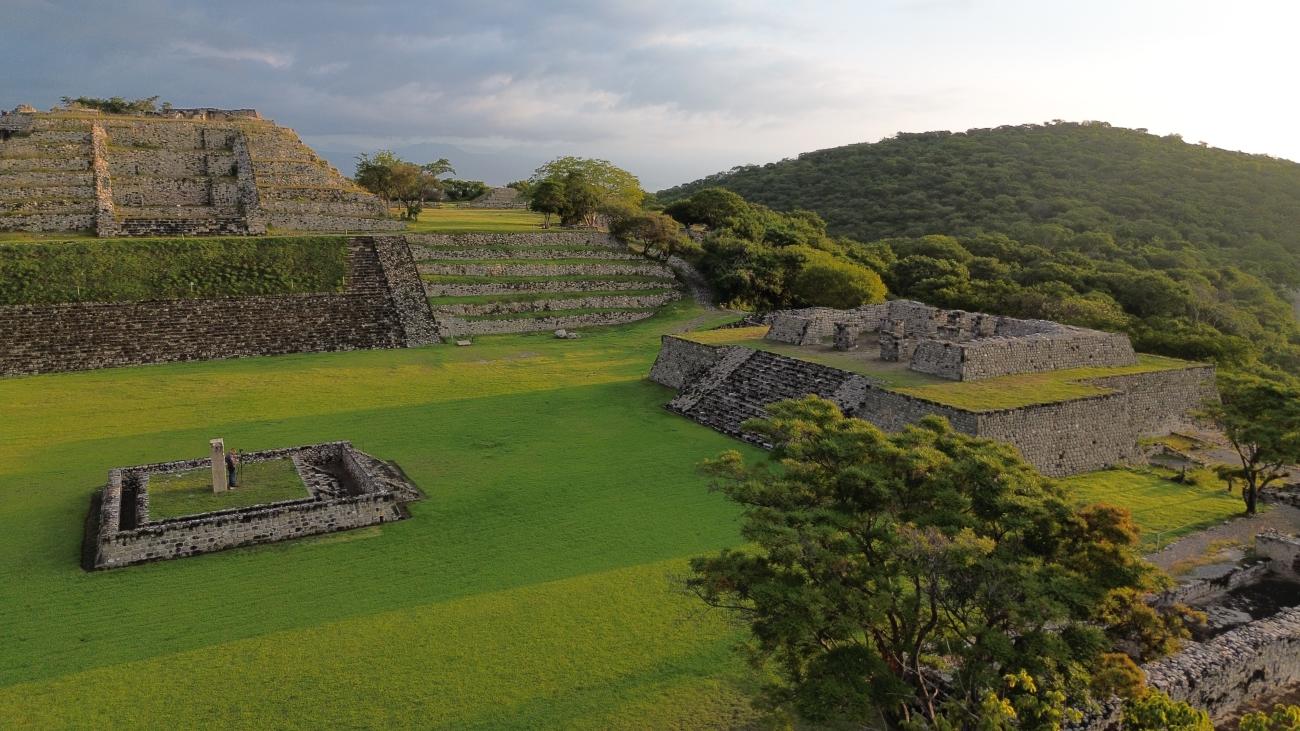
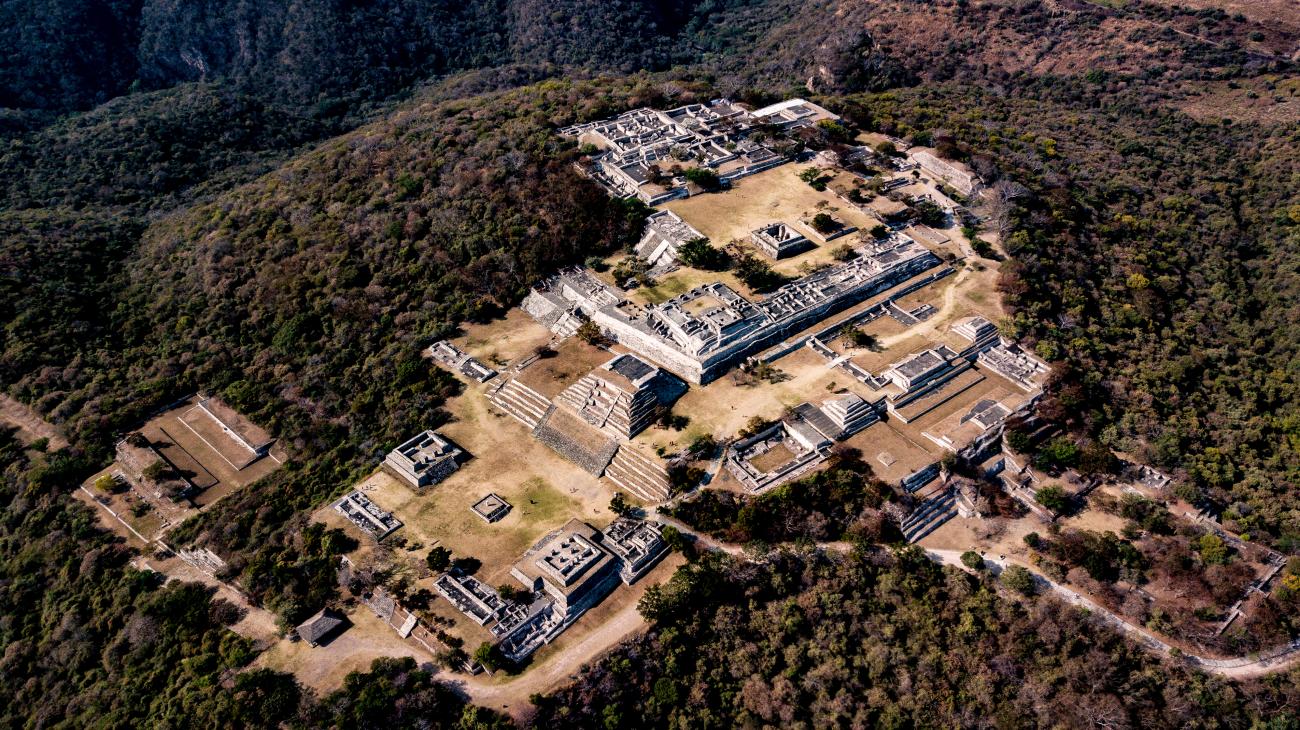
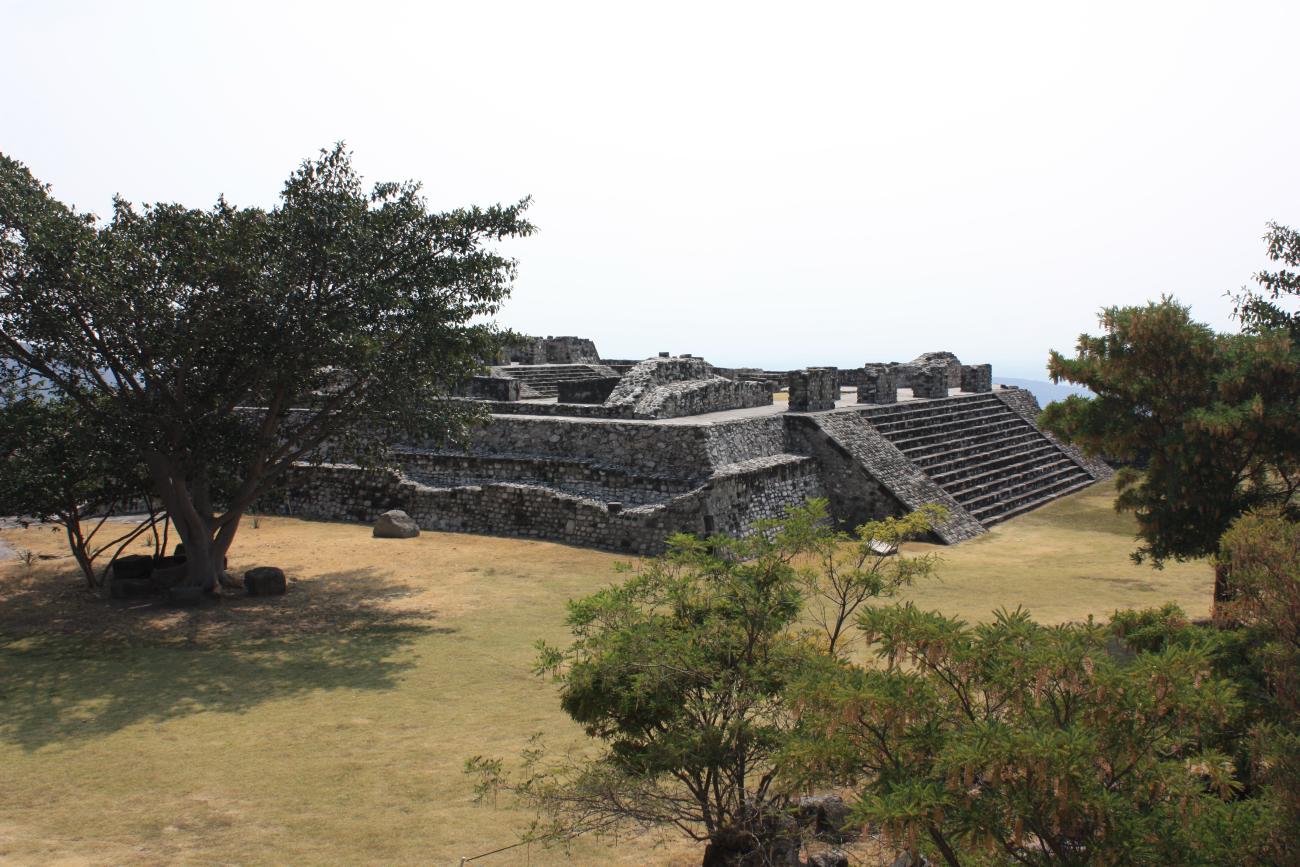
An indigenous city built on the top of the Xochicalco hill possibly for visual dominance of the landscape. The ancient settlers built walls, moats and large access roads for absolute control of their entrances.
Their knowledge in engineering, environment, astronomy, construction, and aesthetics is distinguished in each of the platforms, temples, palace and residential houses that can still be admired at the site. Showing the heritage values that made it a site inscribed on the World Heritage List as a cultural asset and recognized by the original inhabitants that are still preserved nearby as The House of the Flowering Knowledge.
“In the place of the house of flowers.” This was the name given to Xochicalco by the Nahuatl-speaking settlers who discovered the impressive pre-Hispanic city from the Epiclassic period after it had already been abandoned. Its name is perhaps due to the repeated and extraordinary depictions of flowers left as evidence by those who constructed the city, or to the large variety of flowers of different forms and colors that flourish here practically year-round. Despite this speculation, the archeological data leads us to believe instead that Xochicalco should be known as Totolhuacalco (“the place where birds are caught” in Nahuatl), as repeated evidence has been found of a glyph showing a bird in what is apparently a cage.
Xochicalco was first mentioned by Fray Bernardino de Sahagún in the sixteenth century, and many people have had reason to investigate it, giving rise to multiple analyses in different fields of knowledge. The site continues to raise questions, despite the remarkable number of studies over the last 100 years.
The Mesoamerican Epiclassic period (650-900) came immediately after the fall of Teotihuacan, so it is reasonable to assume that the emigrants from that major city founded several Epiclassic cities. This stage was characterized by pre-Hispanic settlements in hard-to-access places, in some cases taking advantage of the irregularities of the terrain and in others by artificially altering the landscape to restrict or hinder entrance. This is the case for Xochicalco in Morelos, Monte Albán in Oaxaca, Teotenango in the State of Mexico, Cacaxtla in Tlaxcala, El Tajín in Veracruz, Cholula and Cantona in Puebla and Paquimé in Chihuahua. It is believed that this characteristic responds to the social conditions of that time, such as constant disputes to dominate territories and trade routes, and finally to the internal revolts that ended cities, as deduced by the evidence of fires, defaced sculptures and sudden abandonment of such hegemonic places as Xochicalco.
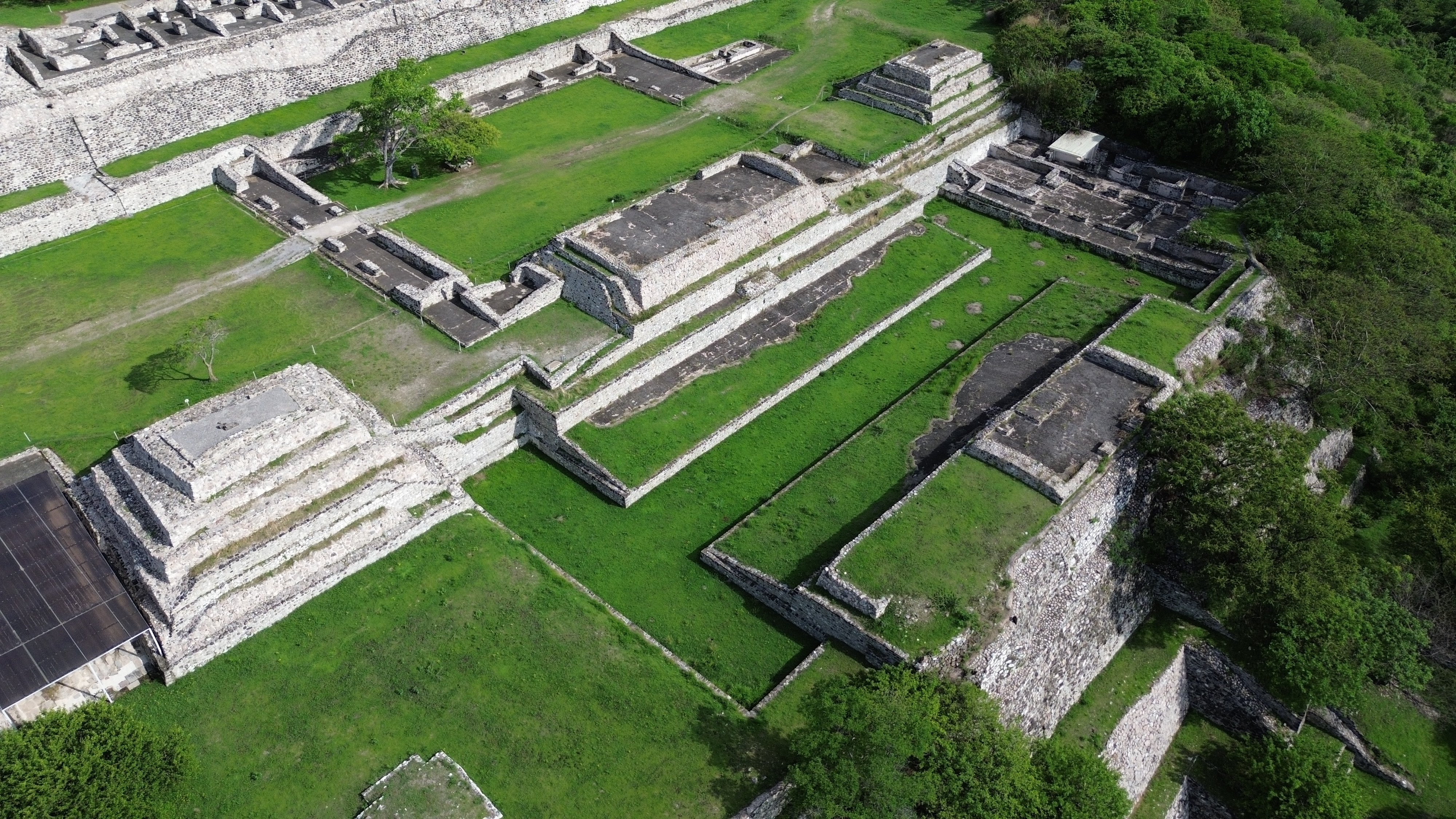
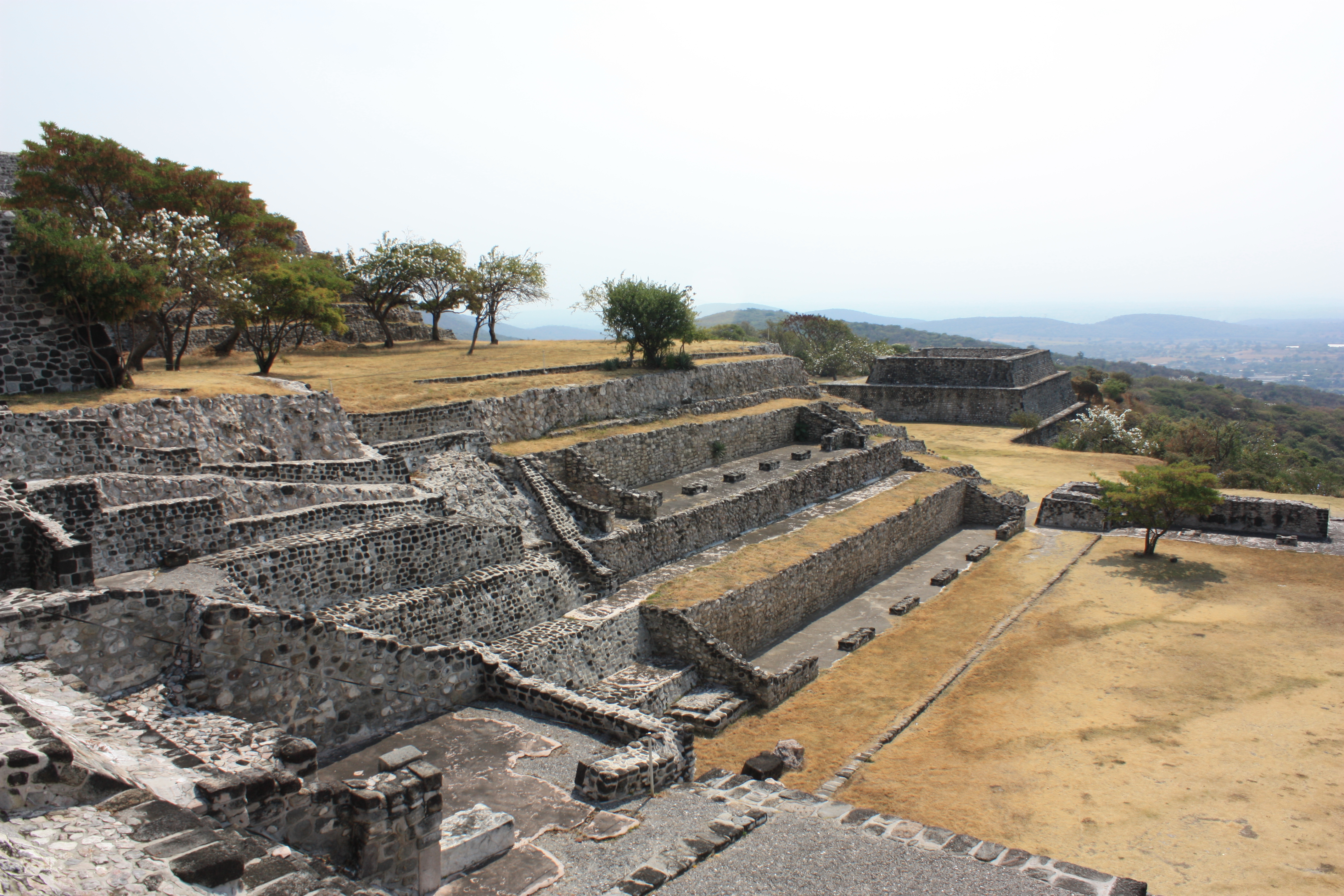
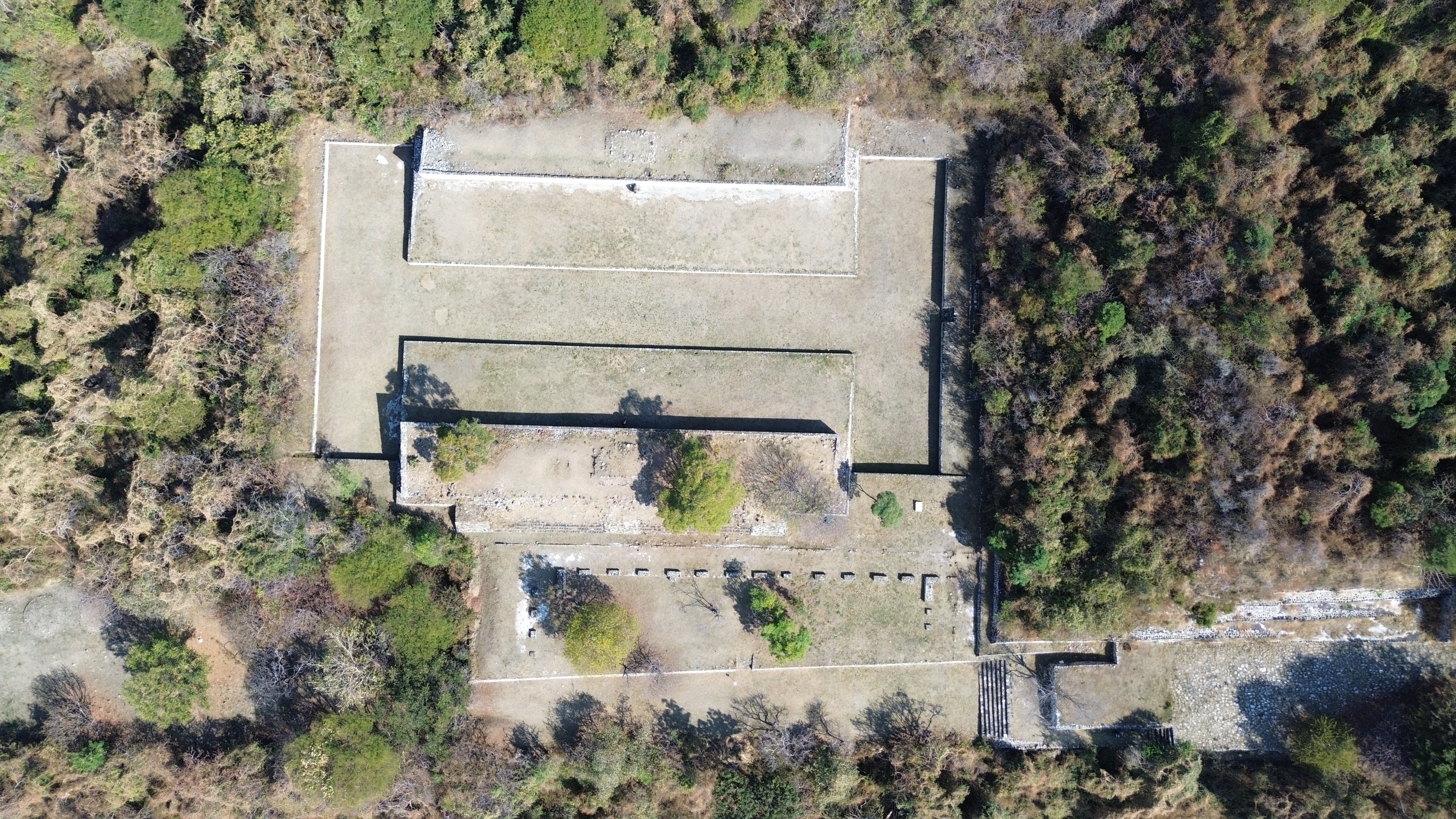
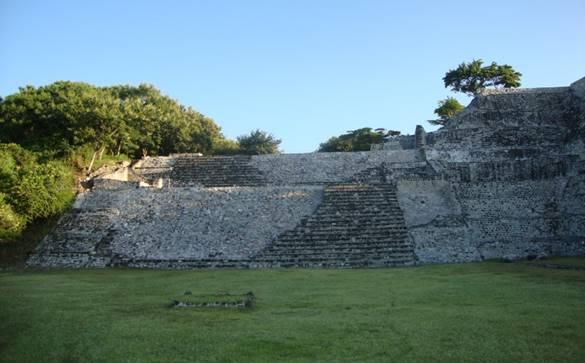
It is worth emphasizing the engineering skills that enabled the people of Xochicalco to plan, construct and subsequently abandon, over a period of just 250 years, a settlement in such a restricted location. They availed of the three-lobed shape of Cerro Xochicalco and worked on artificially leveling the terrain until they had five levels of terraces from which to manage the entire city. Also of note were their advanced system for capturing and releasing rainwater, residential structures at least two stories high in the Acropolis, and the three Mesoamerican ballgame courts which have so far been discovered, each with different characteristics.
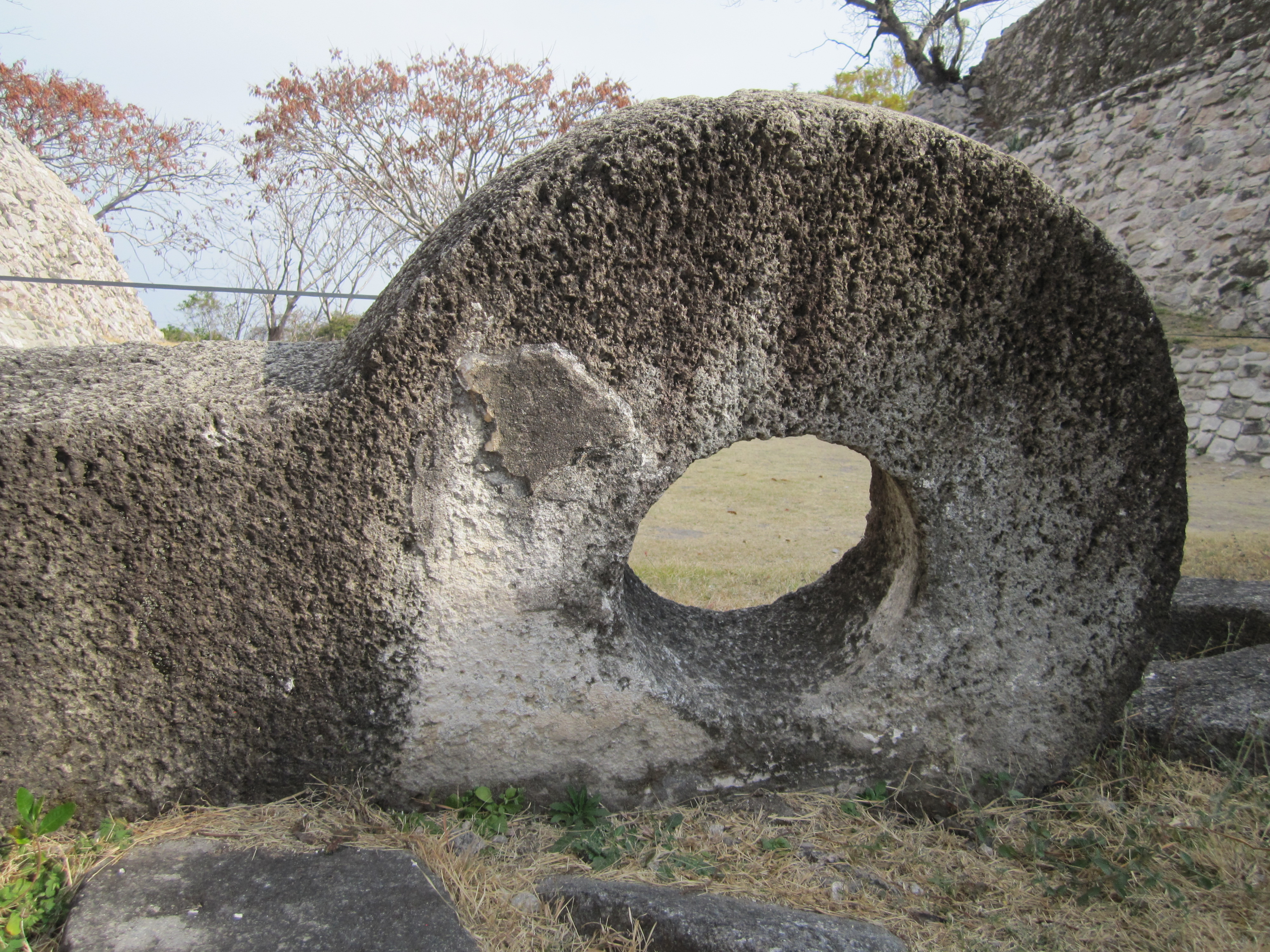
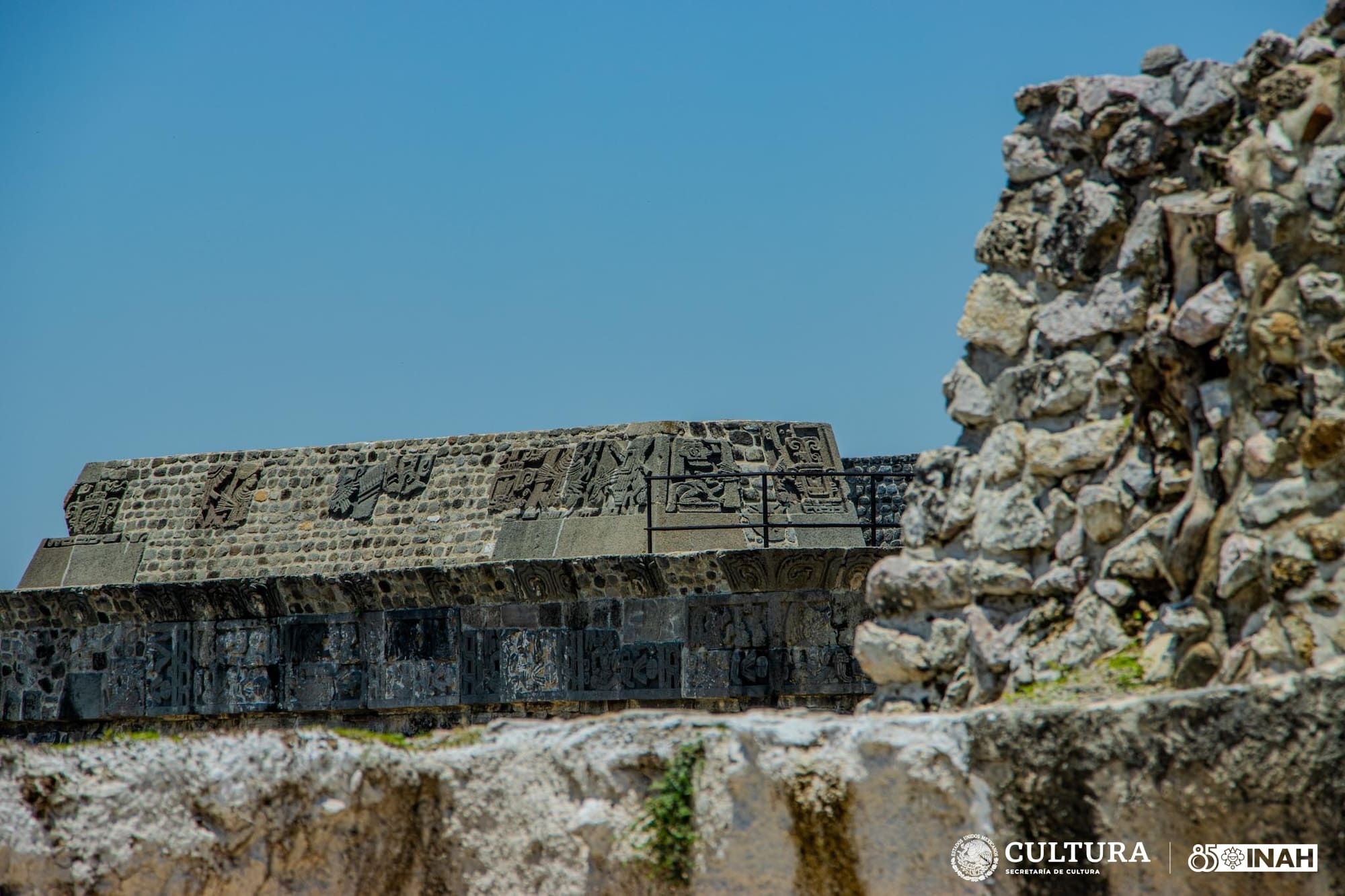
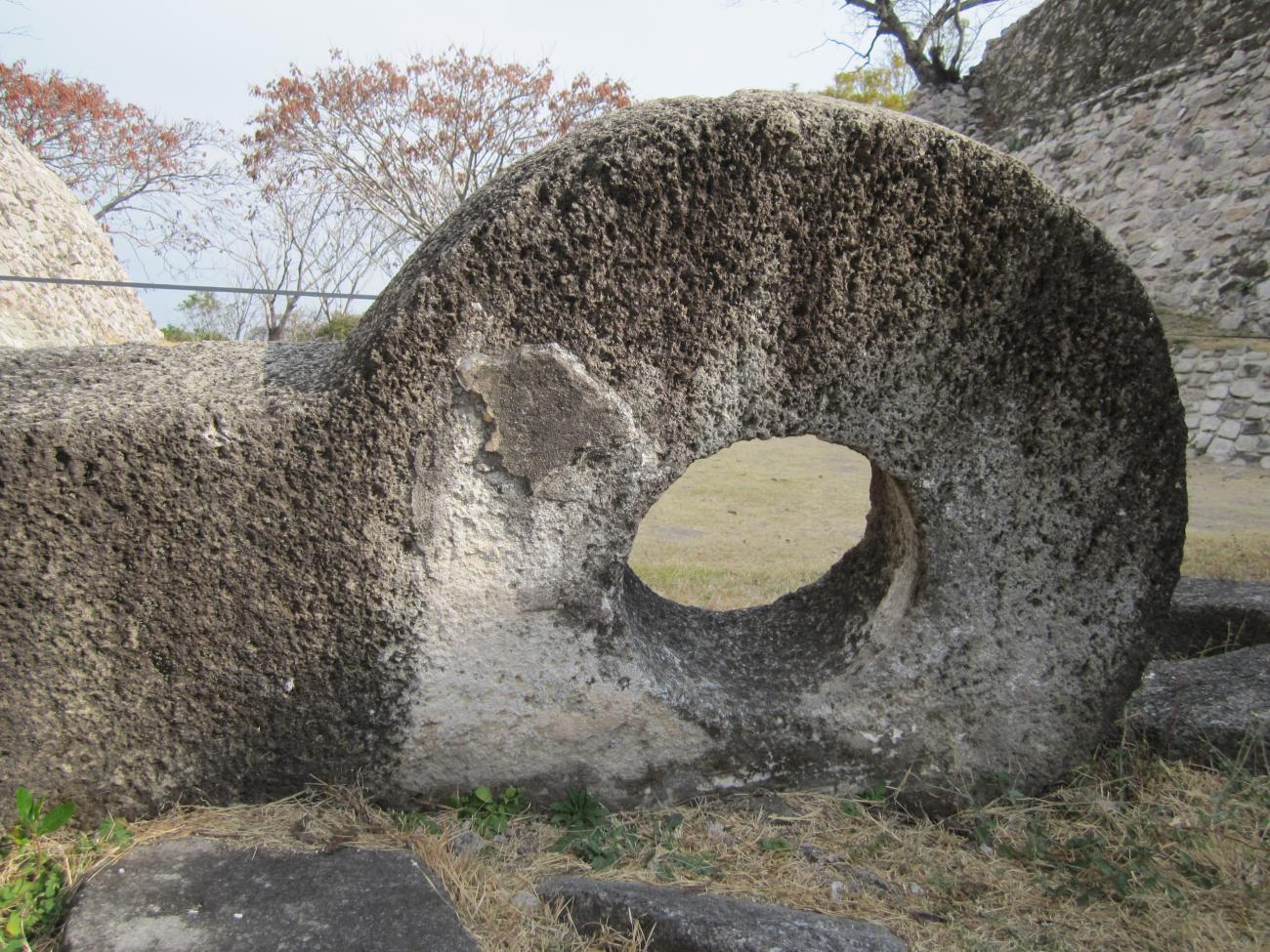
Moreover, the magnificent artistic work of Xochicalco's artisans at its height can not only be appreciated in the Temple of the Feathered Serpents, the Stela of the Two Glyphs, the three stelae found in the Temple of the Stelae and the ring from the East Ballcourt, but also in the pieces now on permanent display at the Site Museum, such as the sculptures of the Puma with Bow, The Red Man and the Starfish, as well as various stone and ceramic sculptures that also reveal ample knowledge of the region’s flora and fauna. All these objects were surely of great value, owing to the complications of forging trade routes between Xochicalco, on the Central Mexican Plateau, and places as far away as Oaxaca, the Gulf of Mexico coast and the Yucatán peninsula.
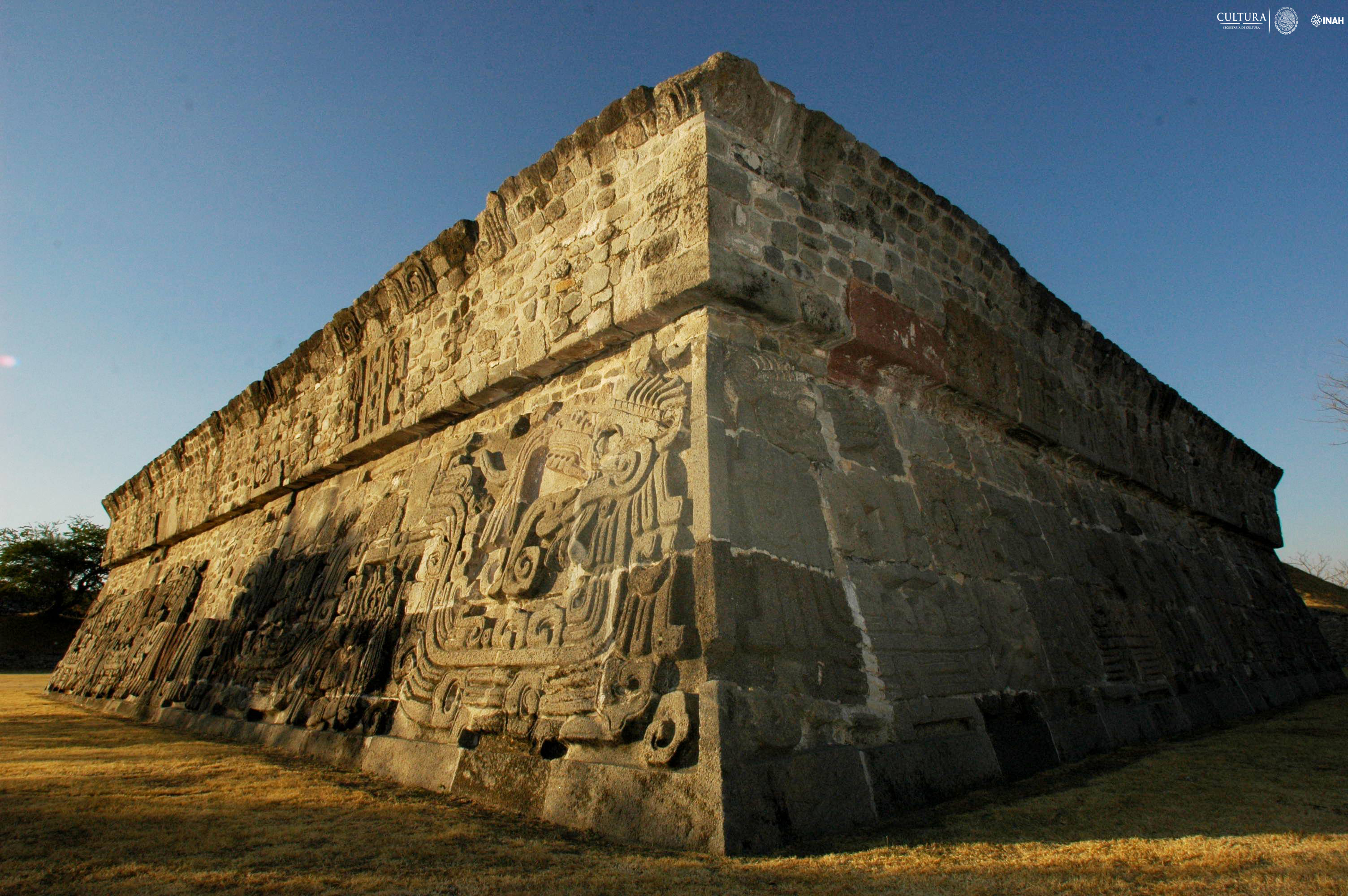
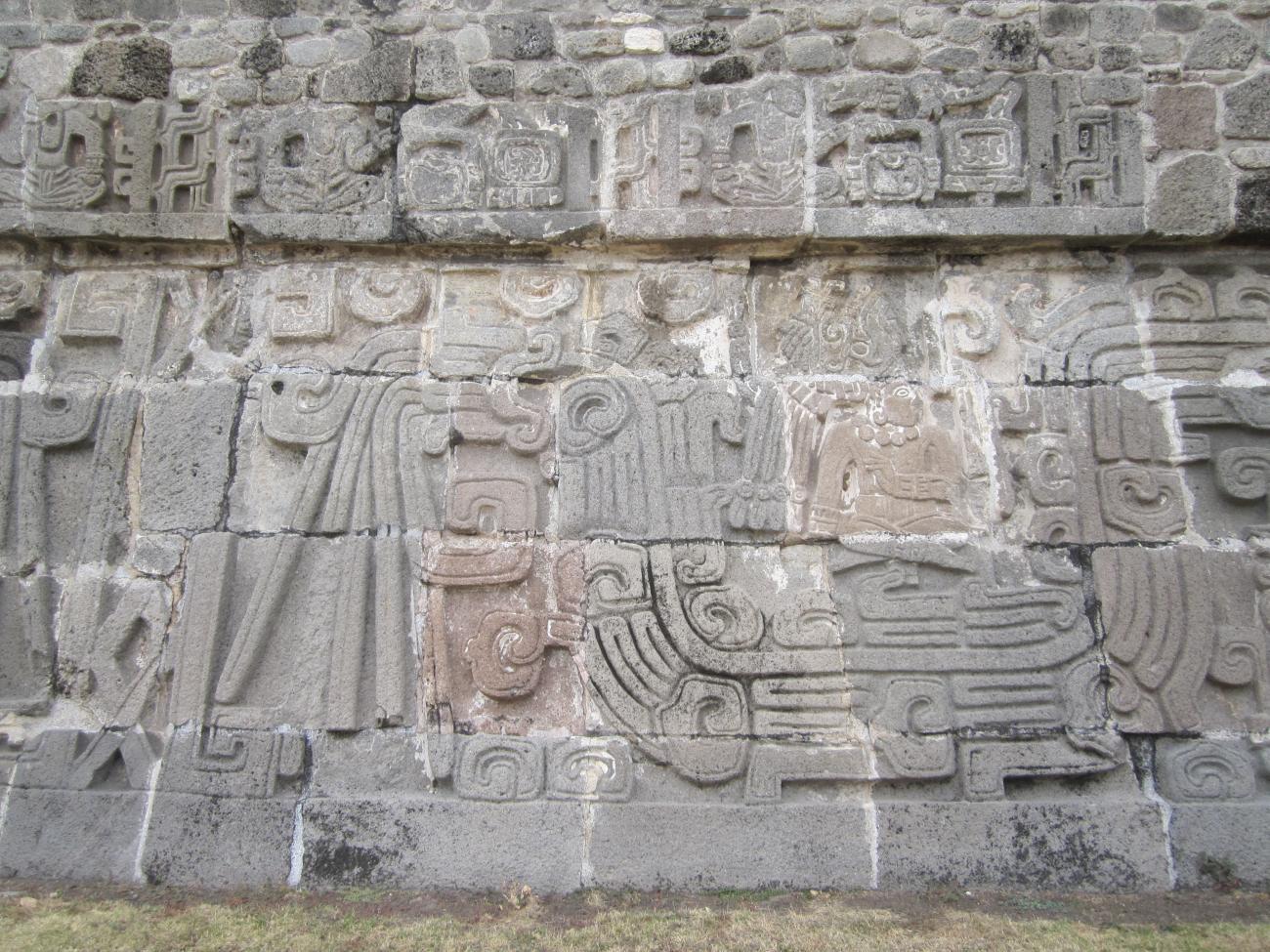
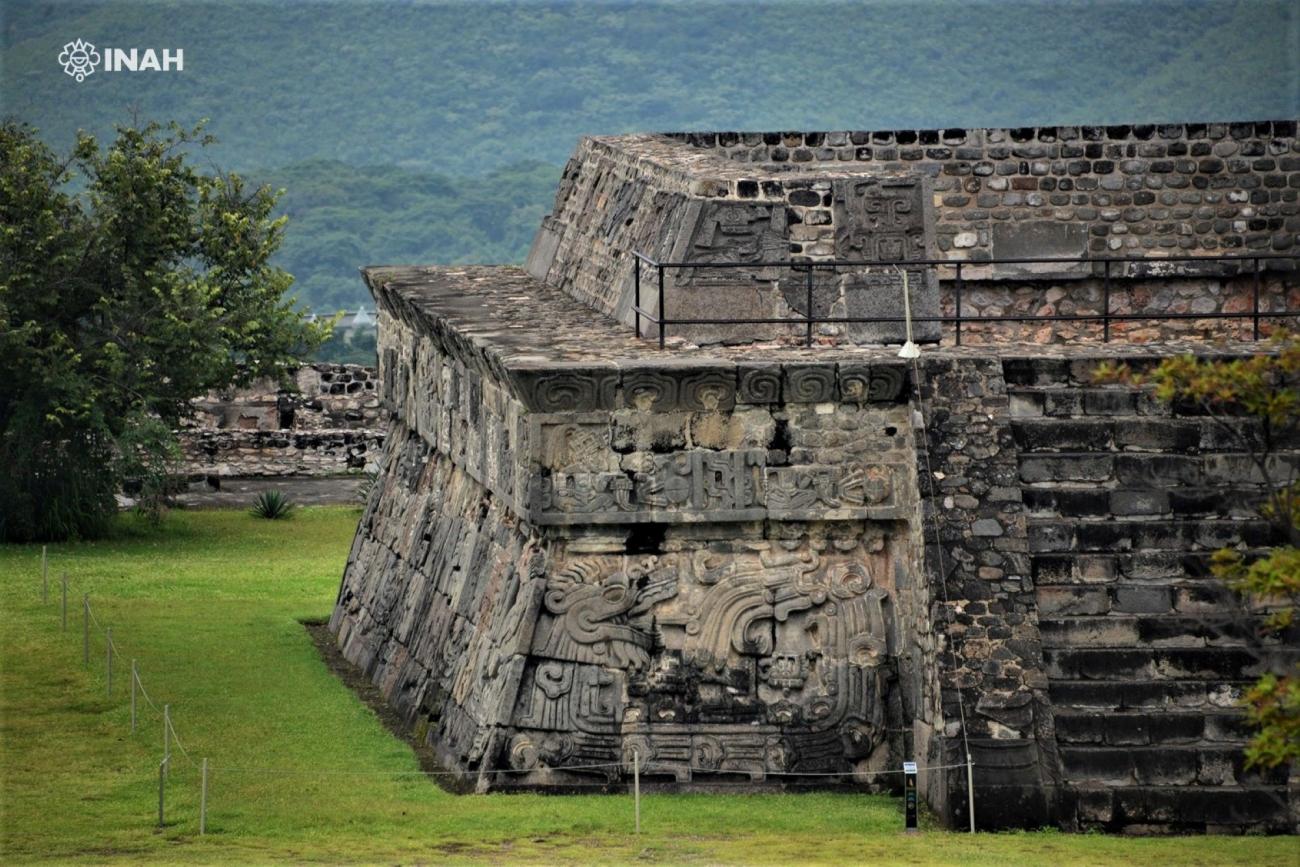
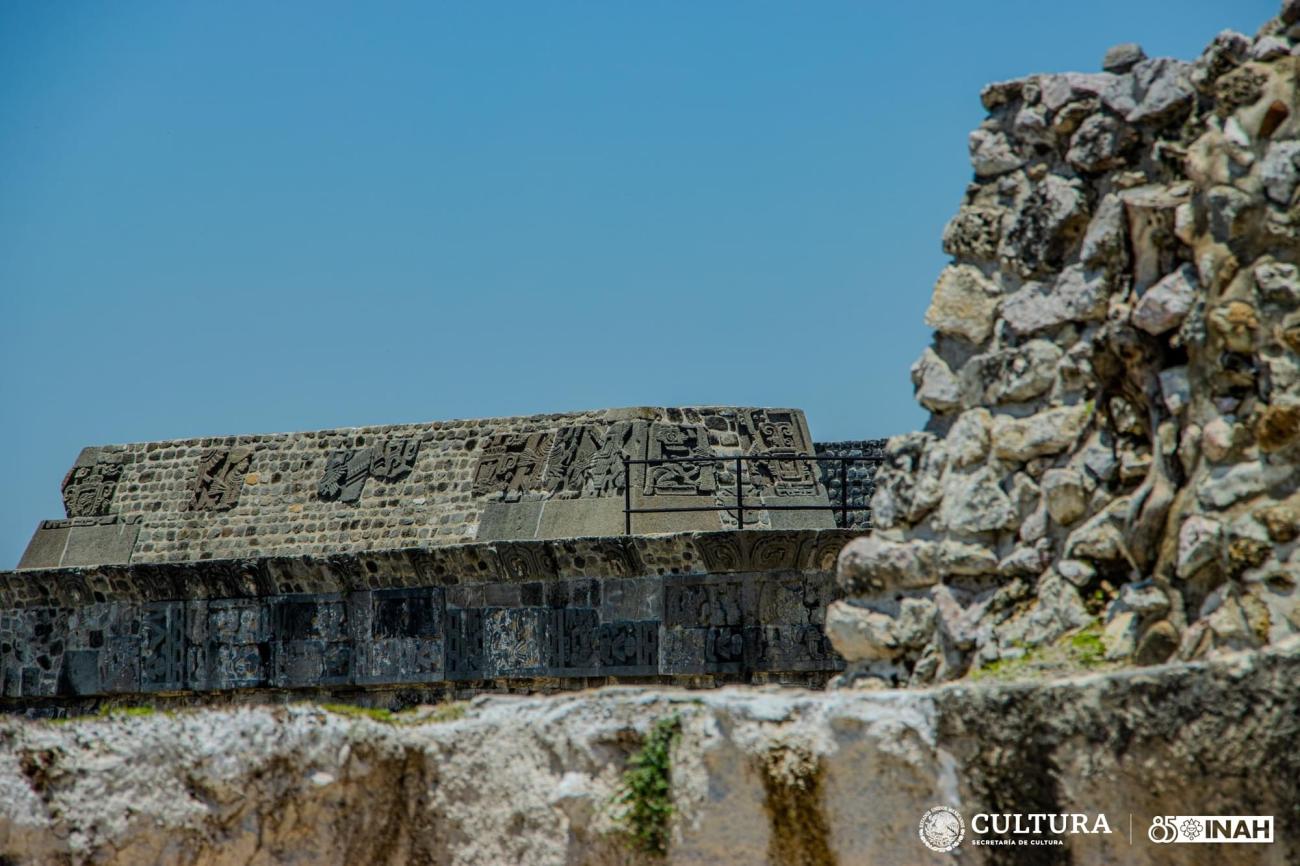
According to the most widely accepted theory, the petroglyph motifs in the Temple of Feathered Serpents bear witness to a meeting held in Xochicalco with people from the Maya area and the Gulf and Oaxaca coasts, apparently to implement a correction to the calendar regarding a total eclipse of the sun occurring in the years in which Xochicalco was at the height of its splendor.
The UNESCO placed Xochicalco on the World Heritage List in 1999. Among its reasons for doing so were the astronomical importance of the Xochicalco Observatory, one of the four most studied in Mesoamerica together with that of Monte Albán and two at Teotihuacan; its impressive examples of visual art; evidence of advanced knowledge about engineering and the extensive biodiversity that has been present in this place and its surroundings since pre-Hispanic times. This entails a responsibility to preserve the place for the benefit of future generations.
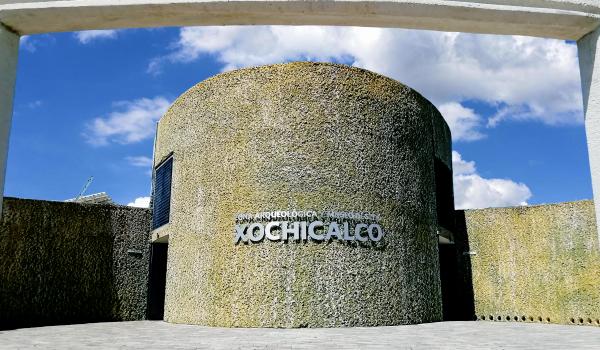
The Xochicalco Site Museum is also worthy of mention. Inspired by the high level of development achieved by the people of Xochicalco, it was the first museum in Mexico to operate with sustainable technology. After almost 20 years in operation, it continues to renew Xochicalco’s commitment to the environment.

El Palacio
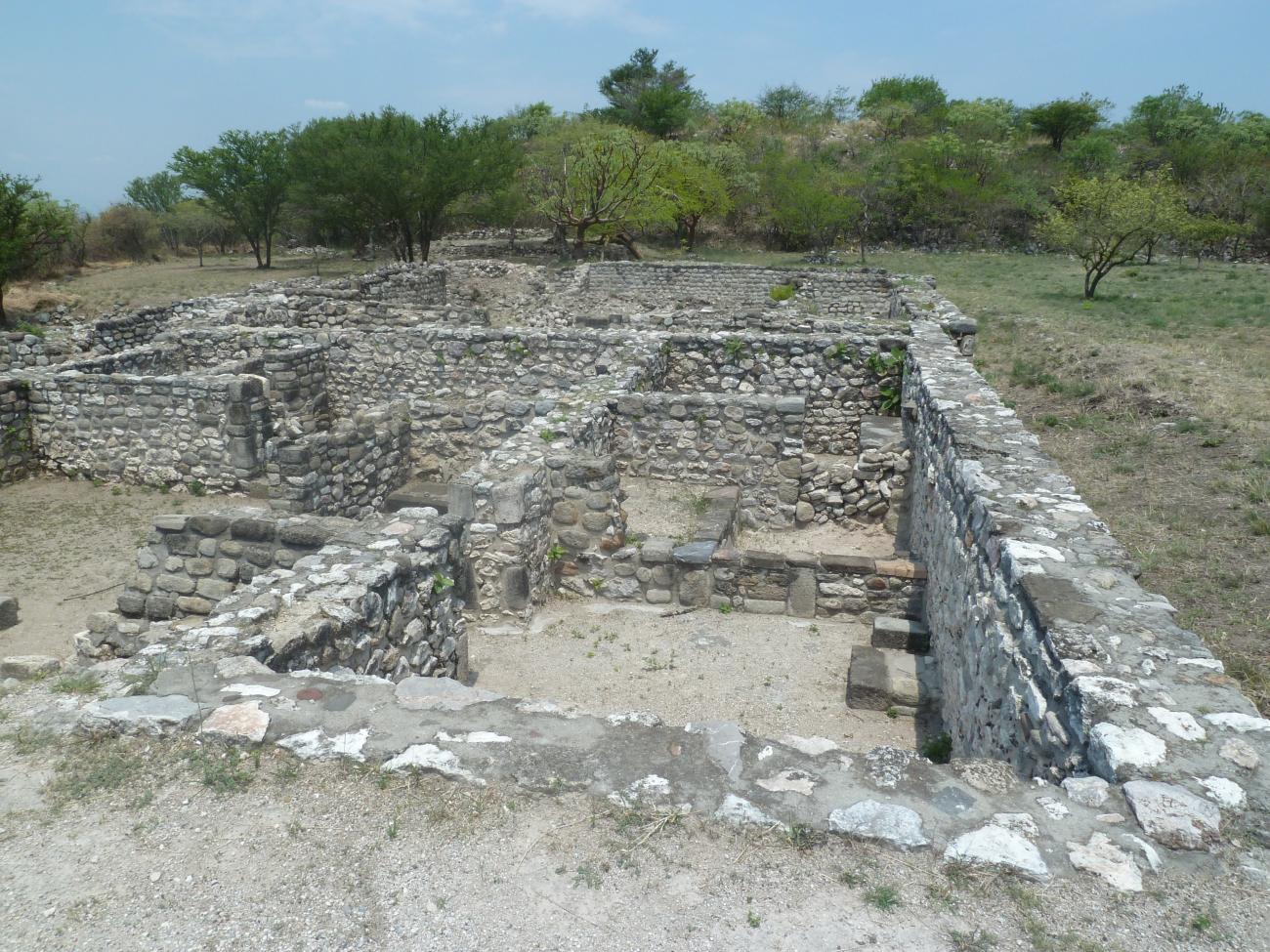
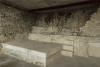
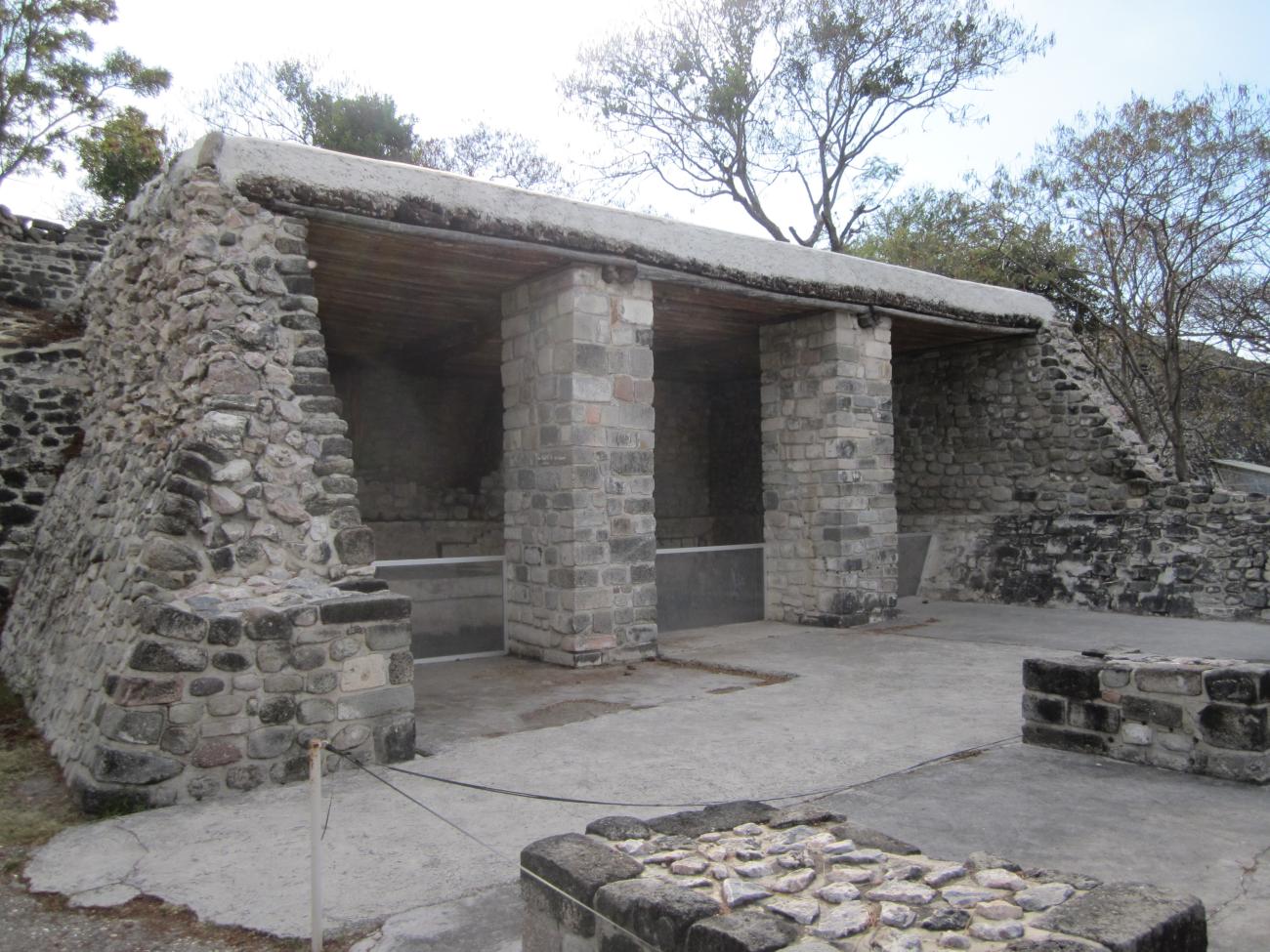
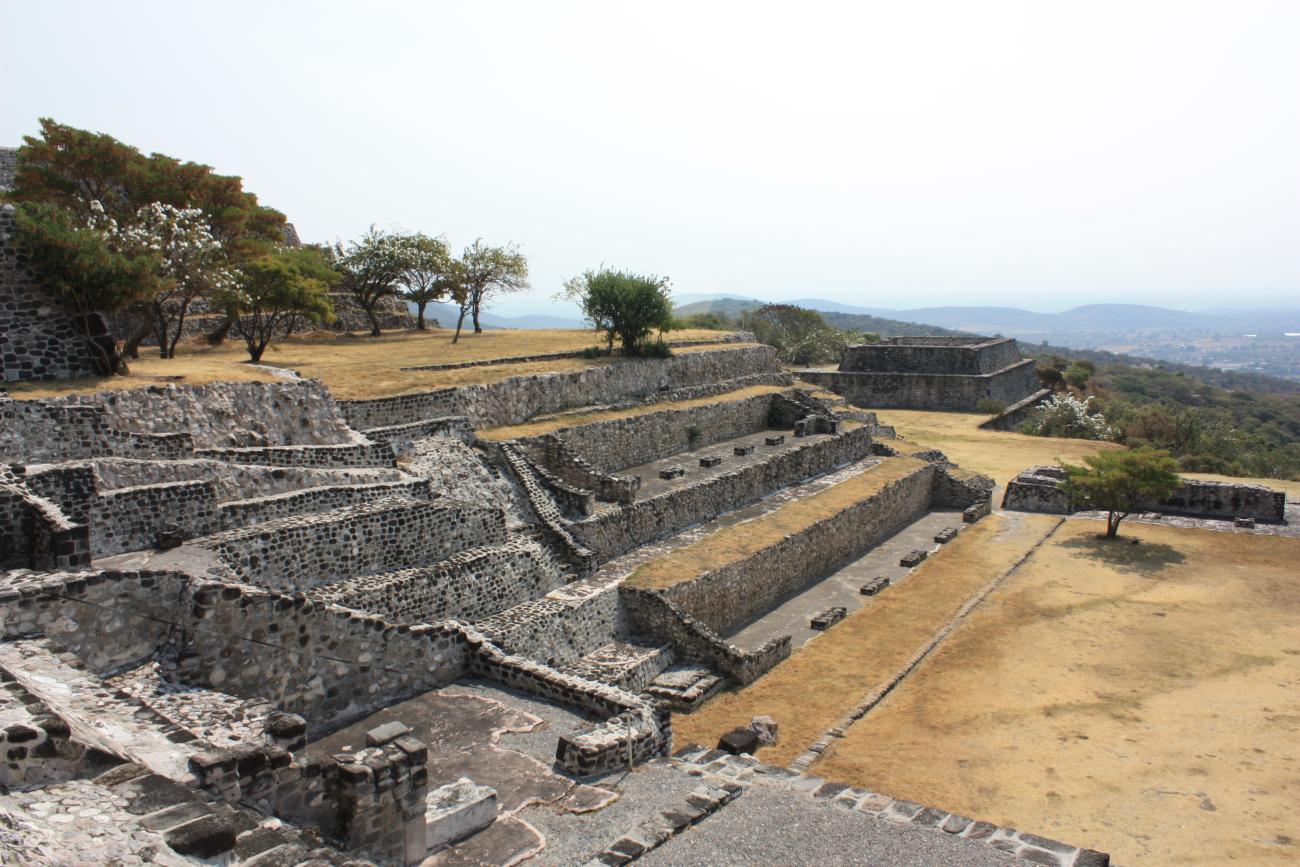
The complex consists of courtyards surrounded by numerous rooms that had different uses. Some were destined to rest, which is inferred by the benches attached to the walls that would have served as “beds”.

Plaza Principal
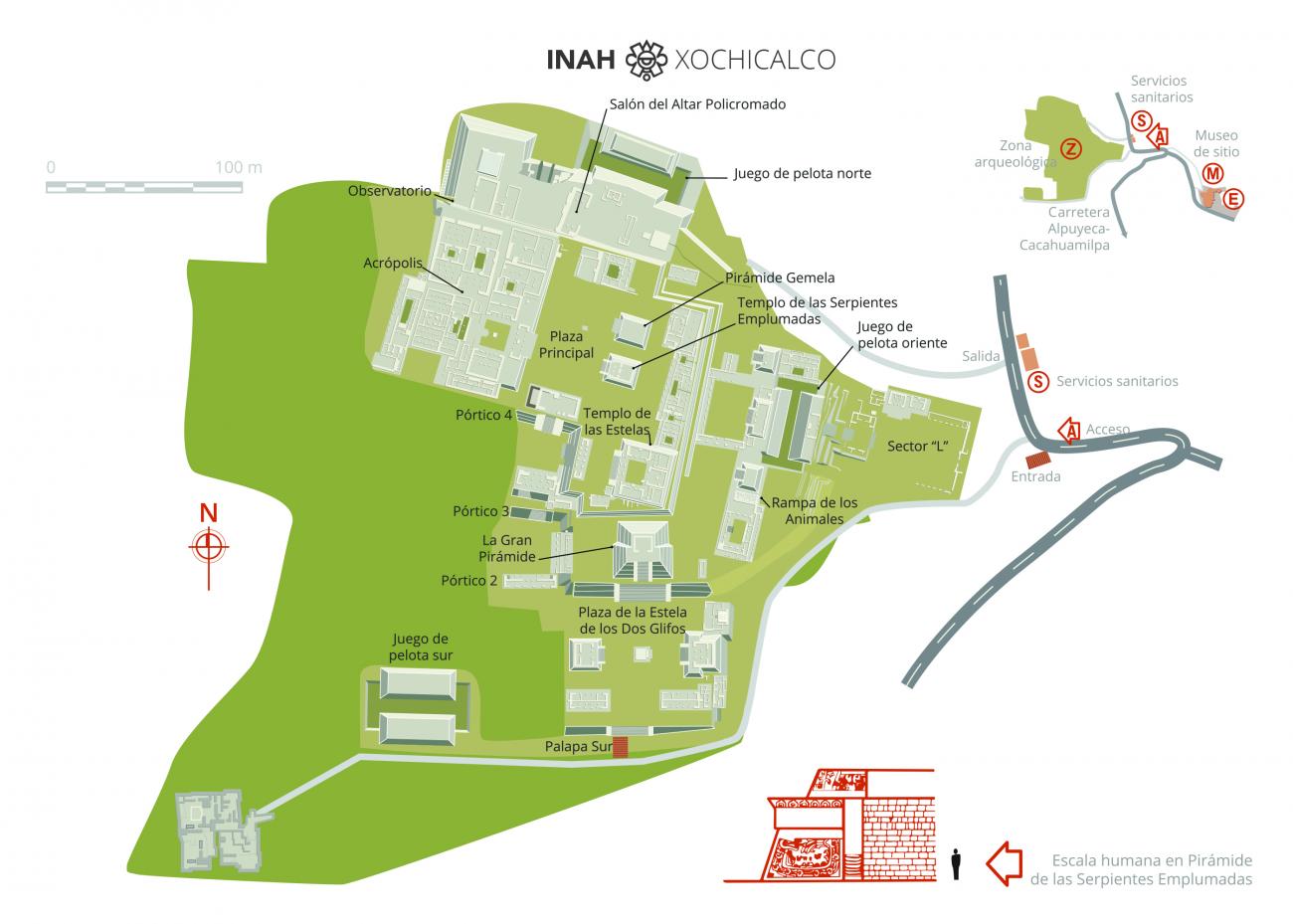
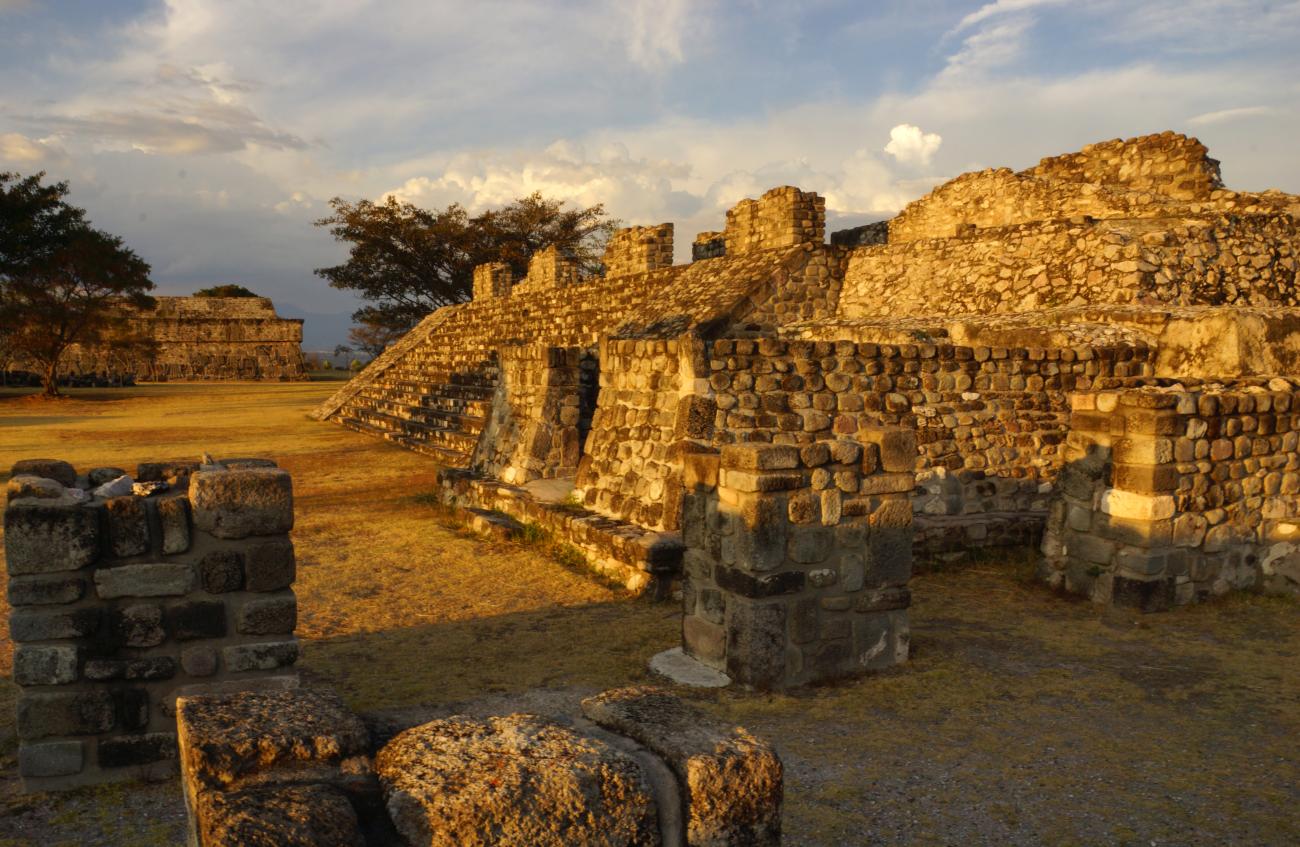
Located in the highest part of the site, which demonstrates its hierarchical importance, where the nobles and highest-ranking people of the city lived. In this space are The Acropolis, the Temple of the Feathered Serpents, the Twin Pyramid and the Temple of the Steles.Acropolis: Architectural…
Plaza Principal
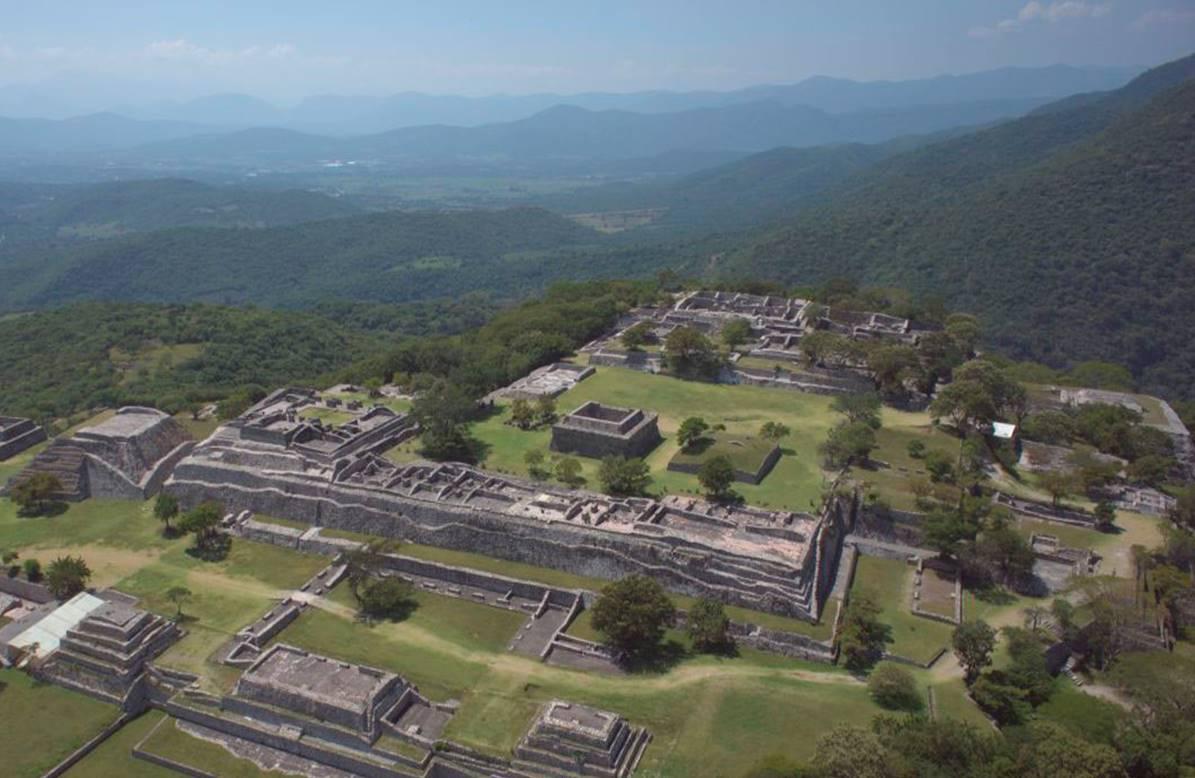
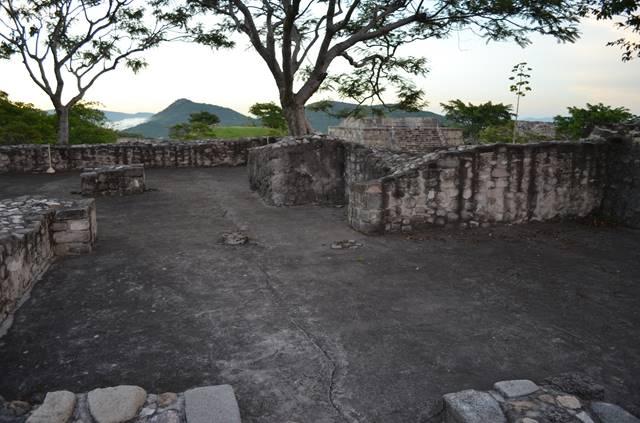
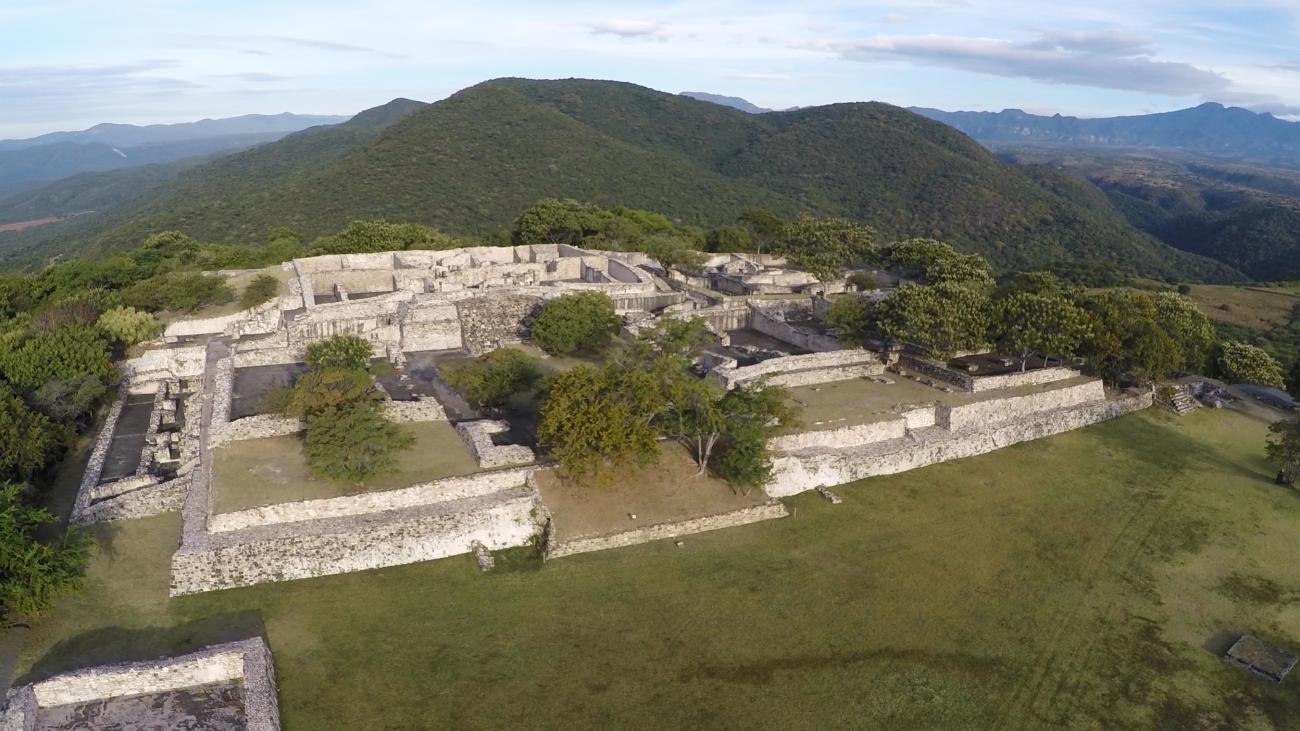
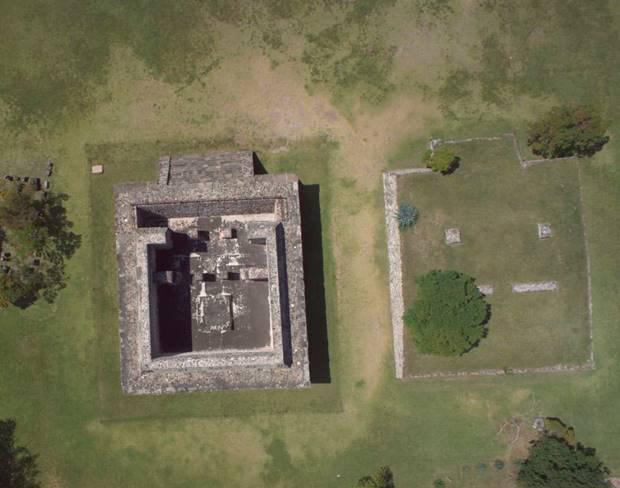
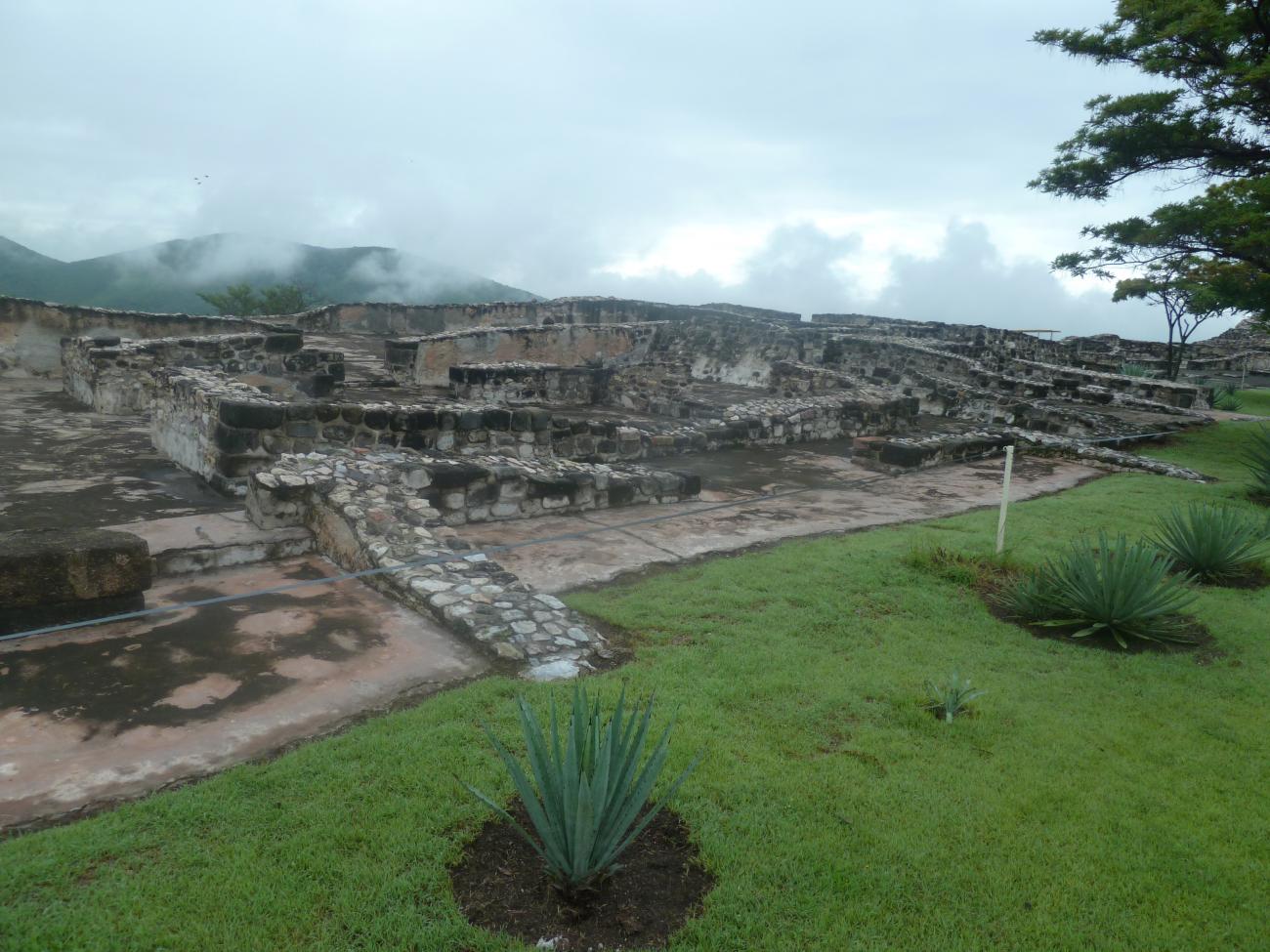
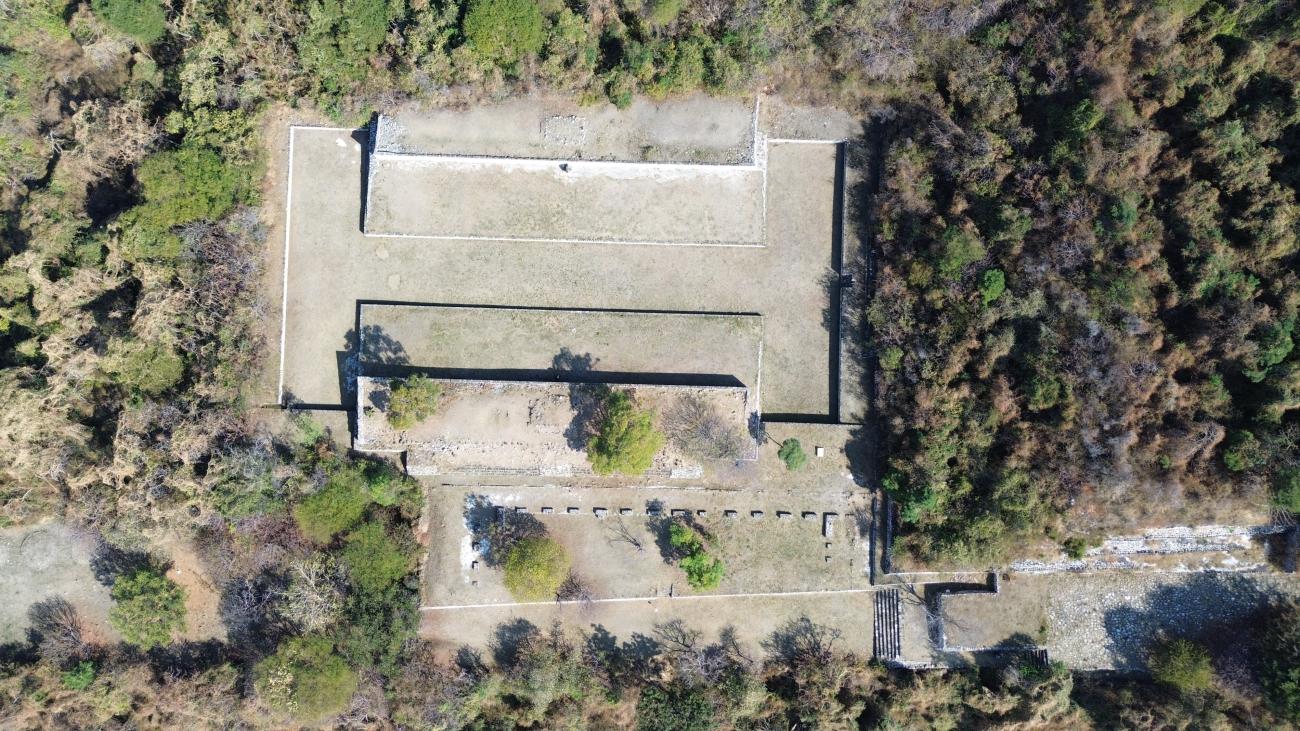
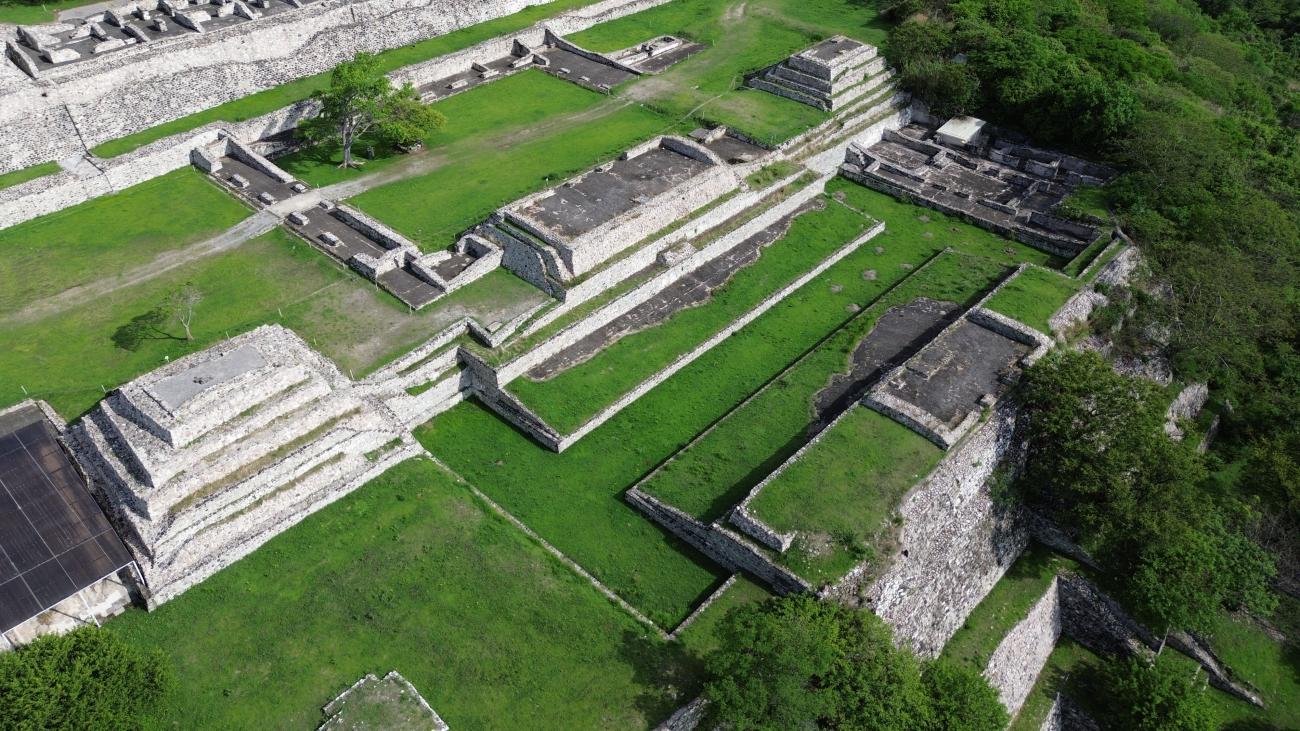
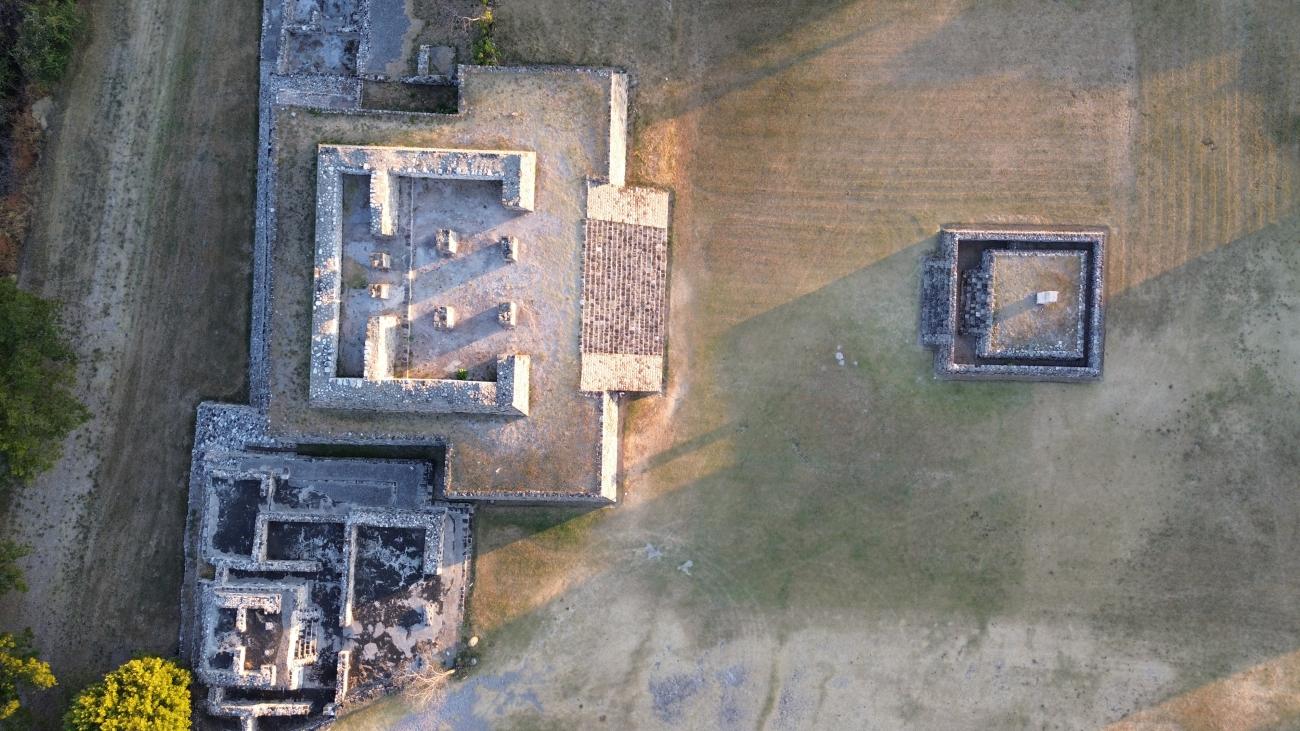



Located in the highest part of the site, which demonstrates its hierarchical importance, where the nobles and highest-ranking people of the city lived. In this space are The Acropolis, the Temple of the Feathered Serpents, the Twin Pyramid and the Temple of the Steles.
Acropolis: Architectural complex that was made up of eight structures with patios surrounded by rooms. In this place, the sculpture known as “Lord in Red” was found, made of volcanic stone carved in two sections, measuring 2 m high, 85 cm wide and 10 cm thick. It is coated with abundant cinnabar powder which gives it the red color that can be seen nowadays. It has the shape of a person, whose head was represented by a circle of feathers, while its arms and legs were made in the likeness of corn plants, with decorations of sacred beads, the figure seems to be sitting on the Ollin symbol that represents the movement. Due to the place where it was found, it is thought that it marked exactly the central part of the Acropolis and the highest point of Xochicalco hill. Serving as the main axis for the layout of the city. The piece is on permanent display inside Room 2 of the Site Museum.
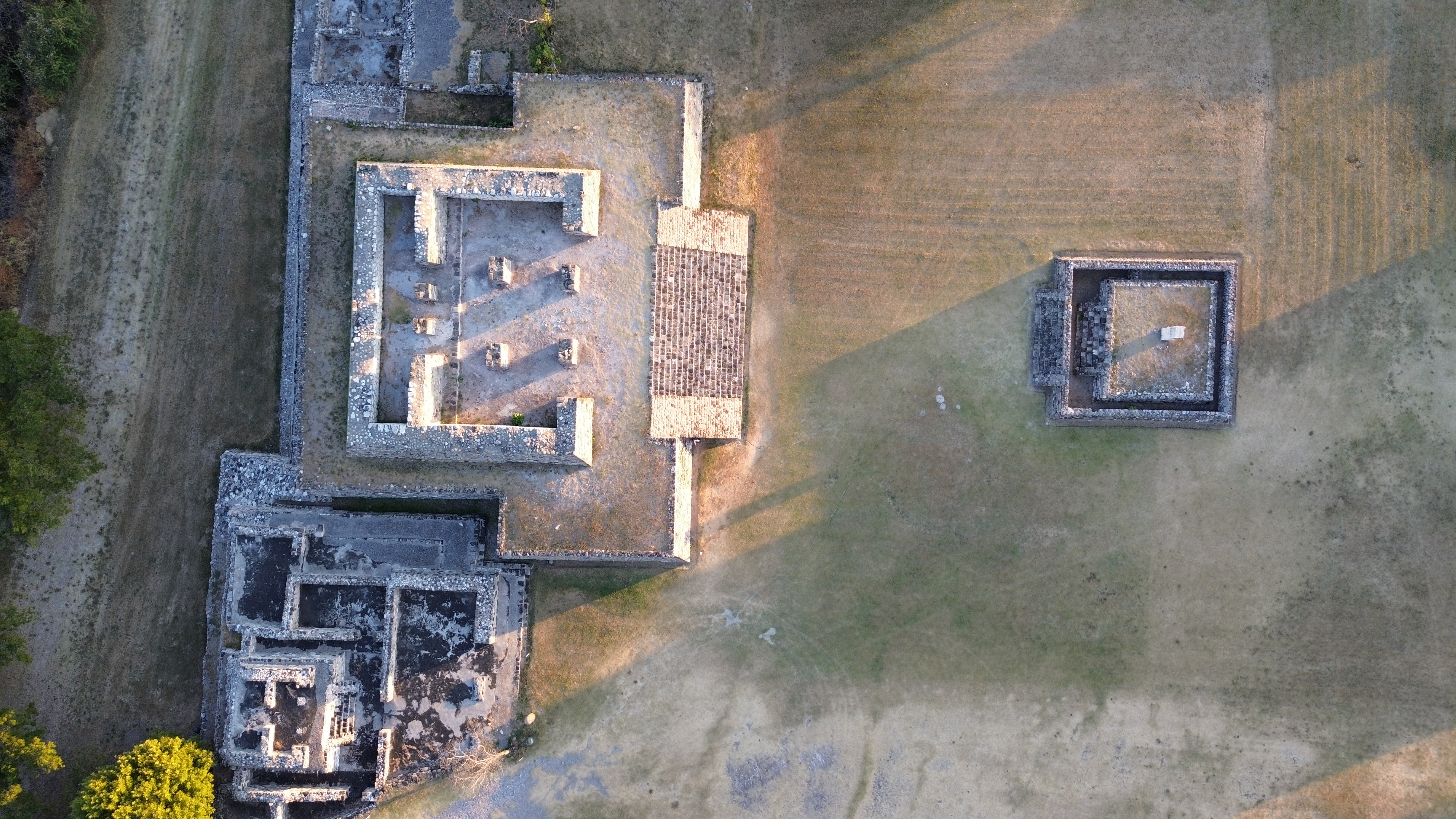
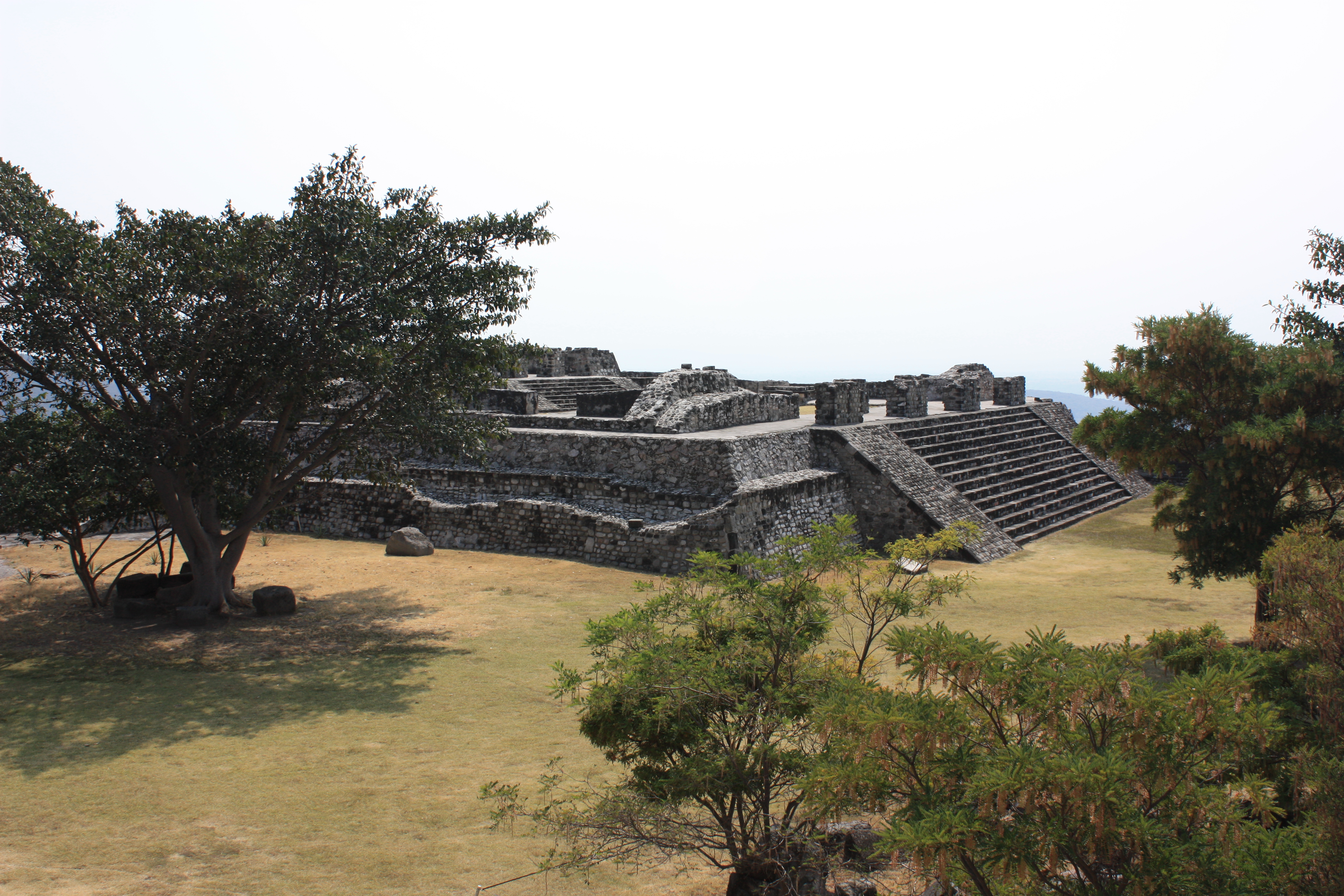
Twin Pyramid: It is called this way because it has the same shape and dimensions as the Temple of the Feathered Serpents. It is possible that it could have been built because at some point in the Xochicalco history, two people ruled at the same time, that is why its characteristics are similar; only unlike the Temple of the Feathered Serpents, this one was decorated with paintings of several motifs on all its facades.
Structures 6 and 7: They close the Main Plaza on the east side, and have numerous rooms around patios. Access to Structure 6 is through two porticos; however, the main entrance is behind and in the center of the Temple of the Feathered Serpents. Inside one of the rooms of this structure, was found an altar, where apparently there was a sculpture of a snake head with its jaws open, from which the head of an individual emerged.
Moreover, Structure 7 was partially destroyed by the inhabitants of Xochicalco. Only a patio can be seen three rooms, and a large hall with a section of mural painting with geometric and anthropomorphic representations was rescued. These structures show an administrative use in the heart of the city.

Plaza de la Estela de los dos Glifos
It was the most important civic-religious space of the place, since in its center is the Adoratory of the Stela of the two Glyphs, same that gives its name to the square. It is a large rectangular slab on which is engraved the date “10 caña”, day “9 ojo de reptil”, which must have corresponded to a…
Plaza de la Estela de los dos Glifos
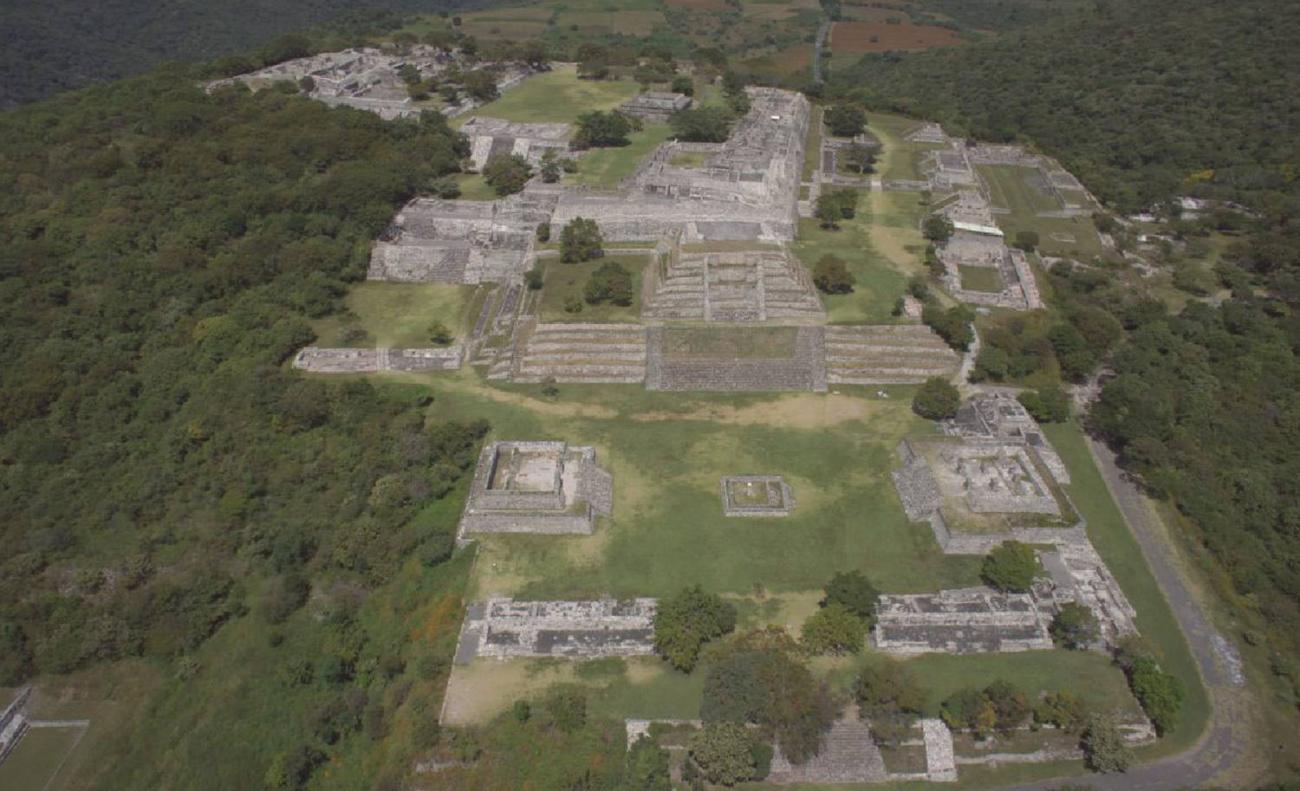
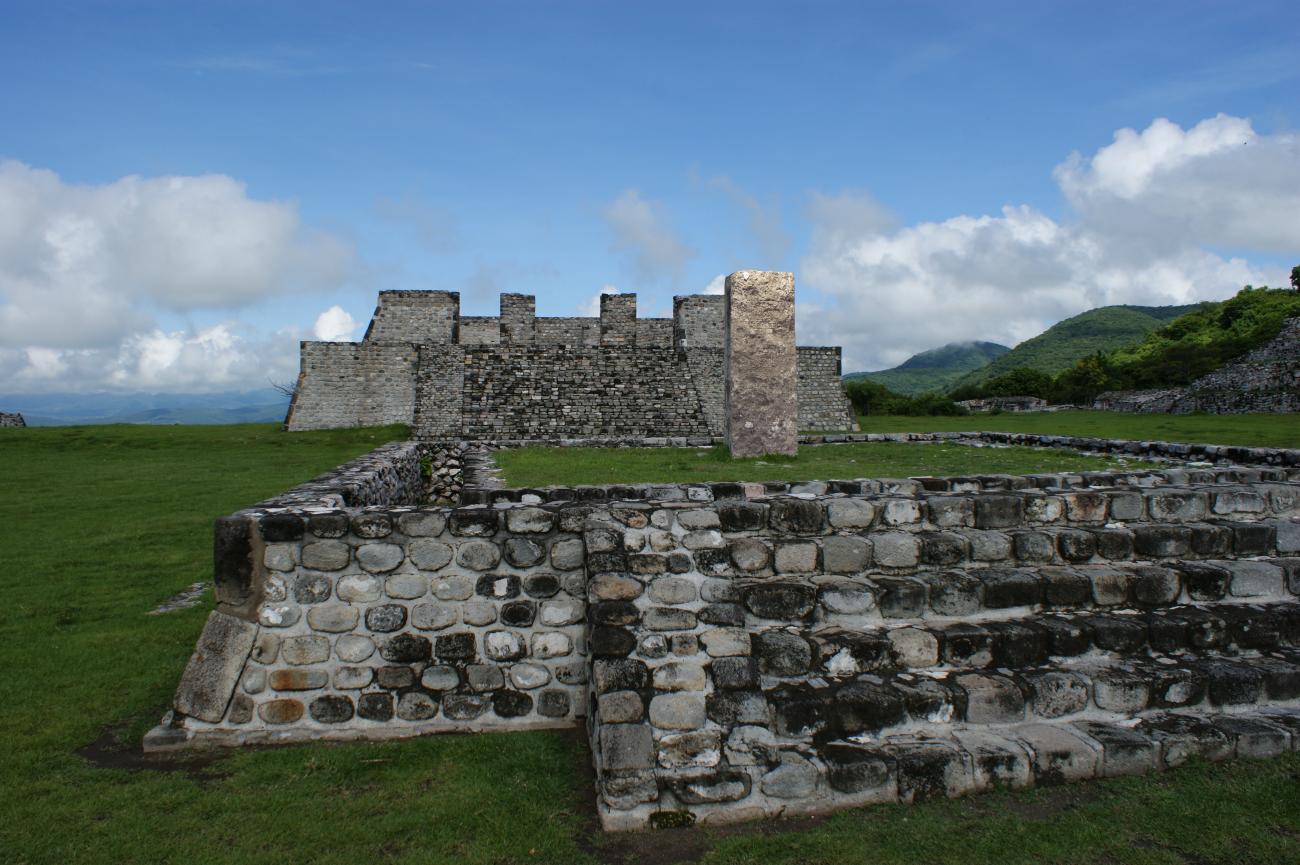
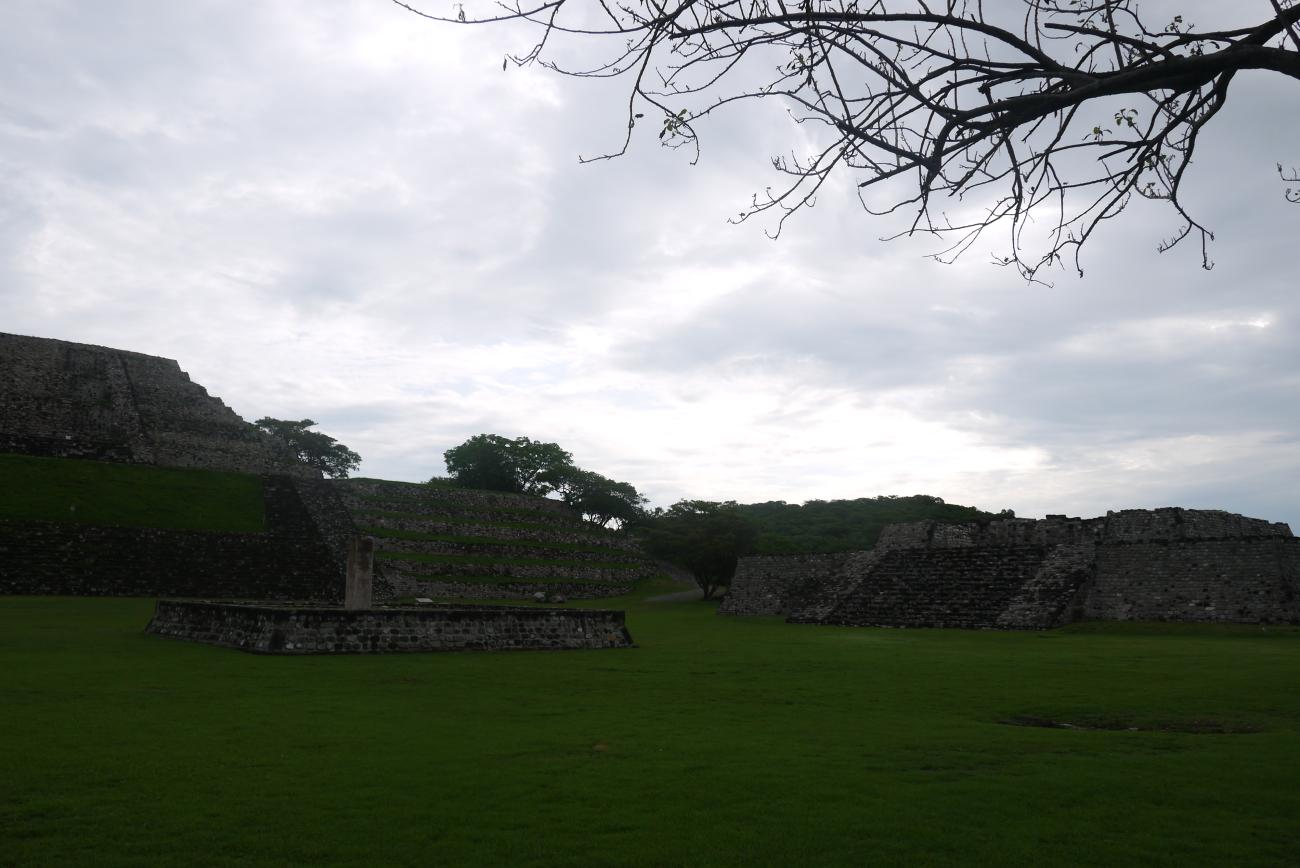
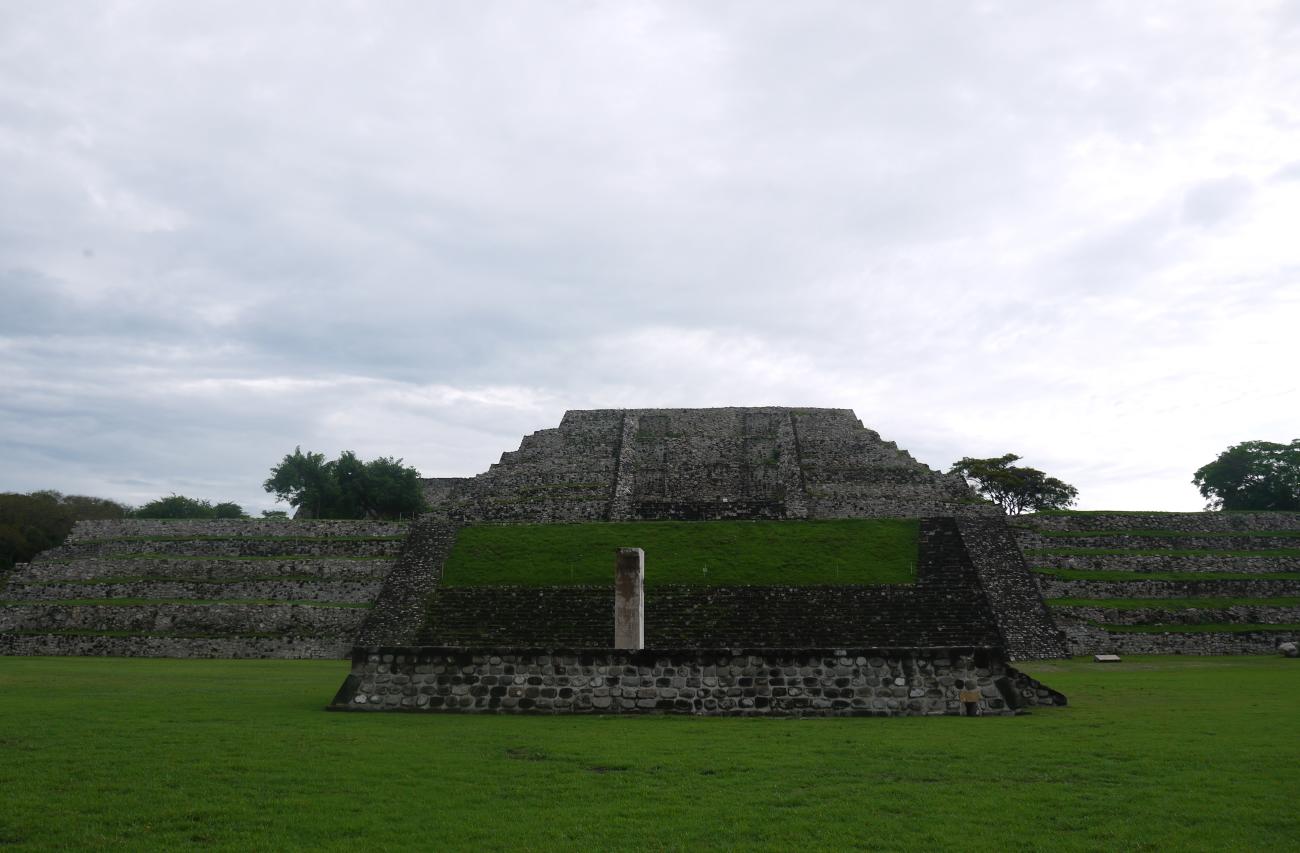
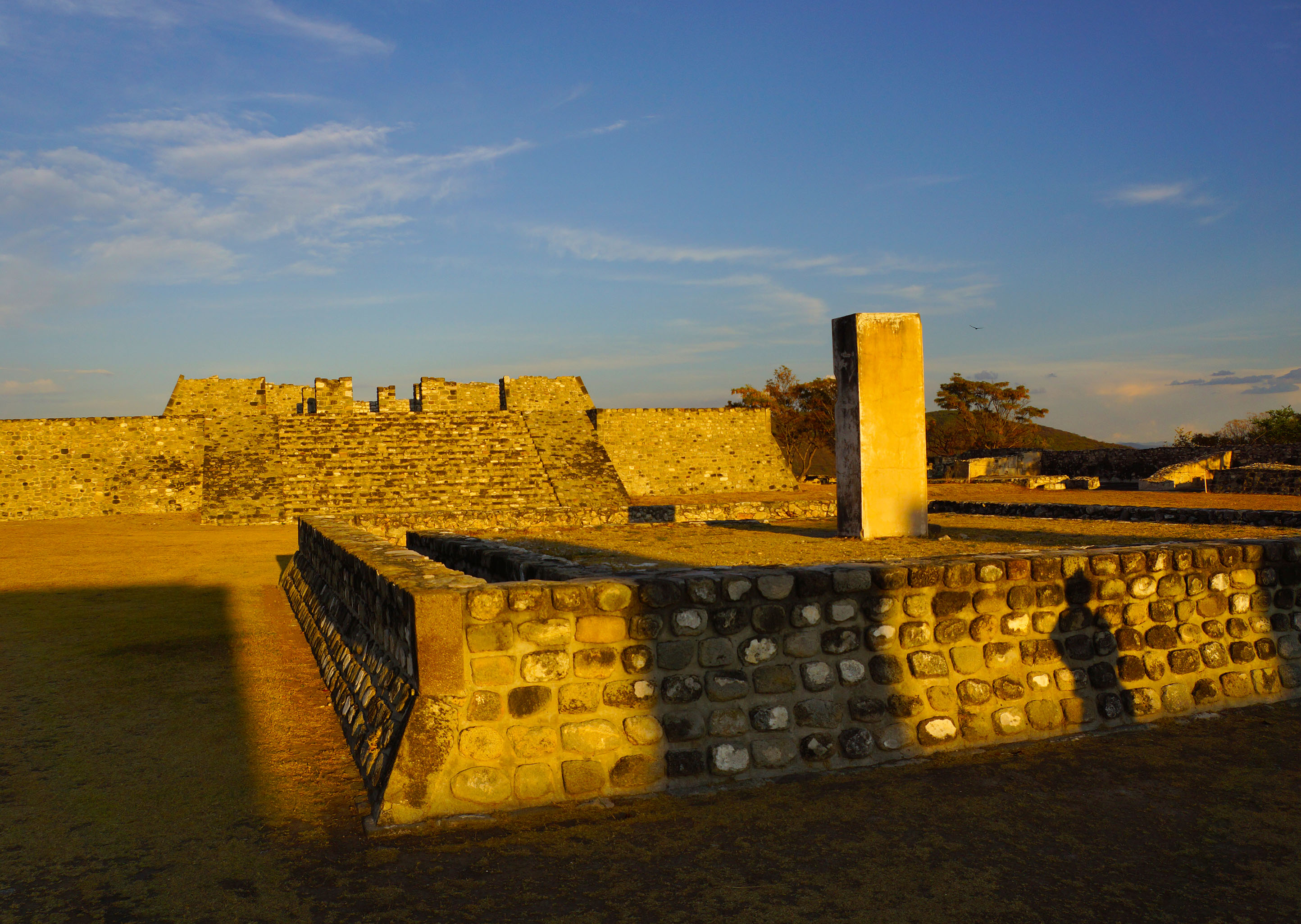
It was the most important civic-religious space of the place, since in its center is the Adoratory of the Stela of the two Glyphs, same that gives its name to the square. It is a large rectangular slab on which is engraved the date “10 caña”, day “9 ojo de reptil”, which must have corresponded to a very important moment in the life of the Xochicalca people (the original of the stele is under safeguard in the Museum of Site). The plaza is delimited by two porticoes, buildings C (east), D (west) and the northeast structure. These three constructions are erected on a foundation of a single body with its temple on top. To the north of the plaza is located the Great Pyramid or Structure E, the largest and most important building of Xochicalco, which consists of a platform of three bodies on which is another foundation of four bodies, where the remains of a substructure can be observed. On top of the latter was a temple built with adobe.
Great Pyramid: This is the largest construction of Xochicalco and consists of two levels. In the center of both bodies there are two large staircases with alfardas and in the upper body there are remains of an older building. In the highest part of the last body there are the vestiges of what could have been a great temple.

Complejo Este
It is divided into three units with patios delimited by galleries, porticoes and pyramidal bases. Between the third unit and the Sunken Patio is the Ramp of the Animals, covered by slabs carved with the representation of different zoomorphic motifs.Animal Ramp Unique in Mesoamerica, it shows…
Complejo Este
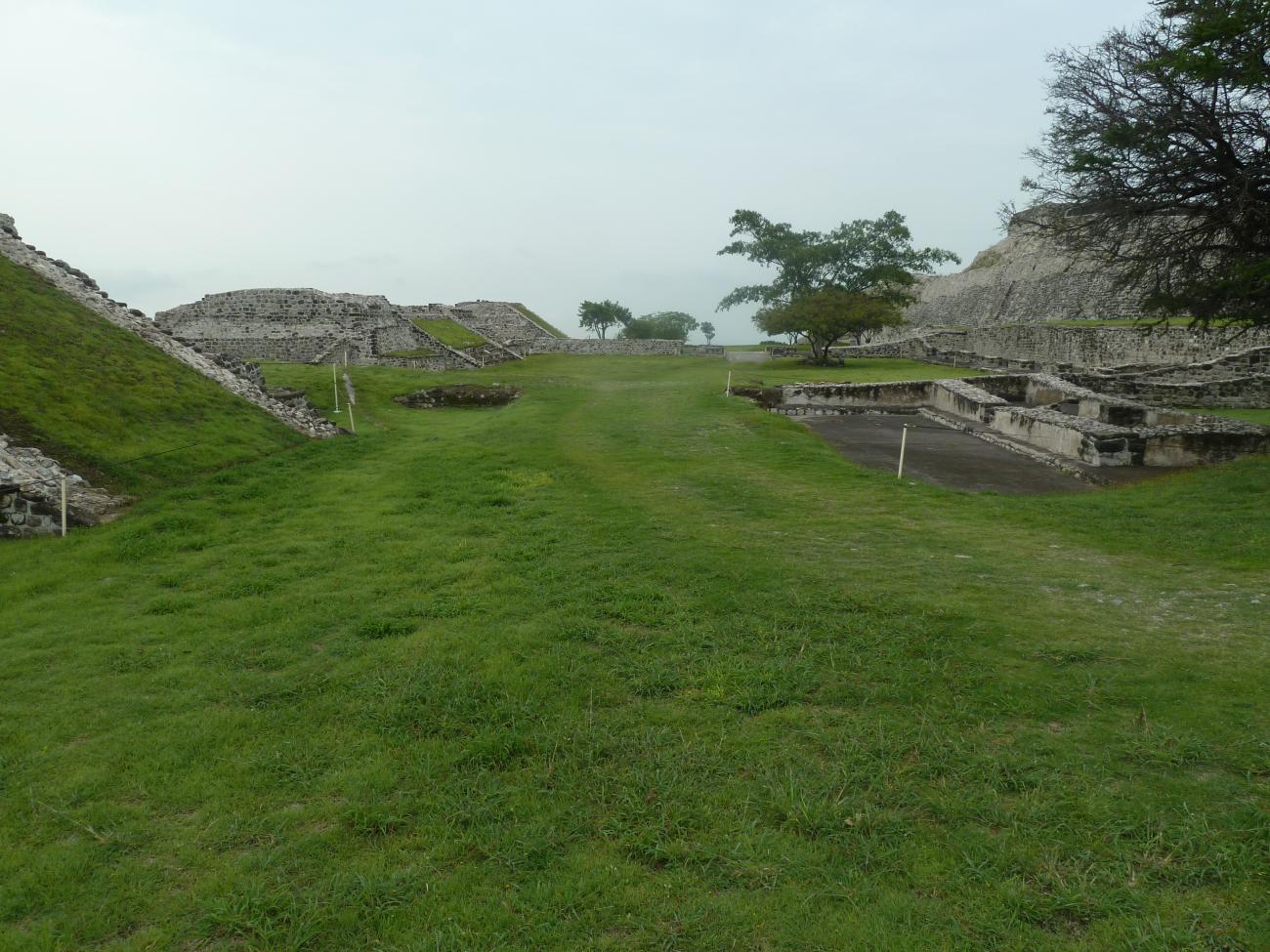
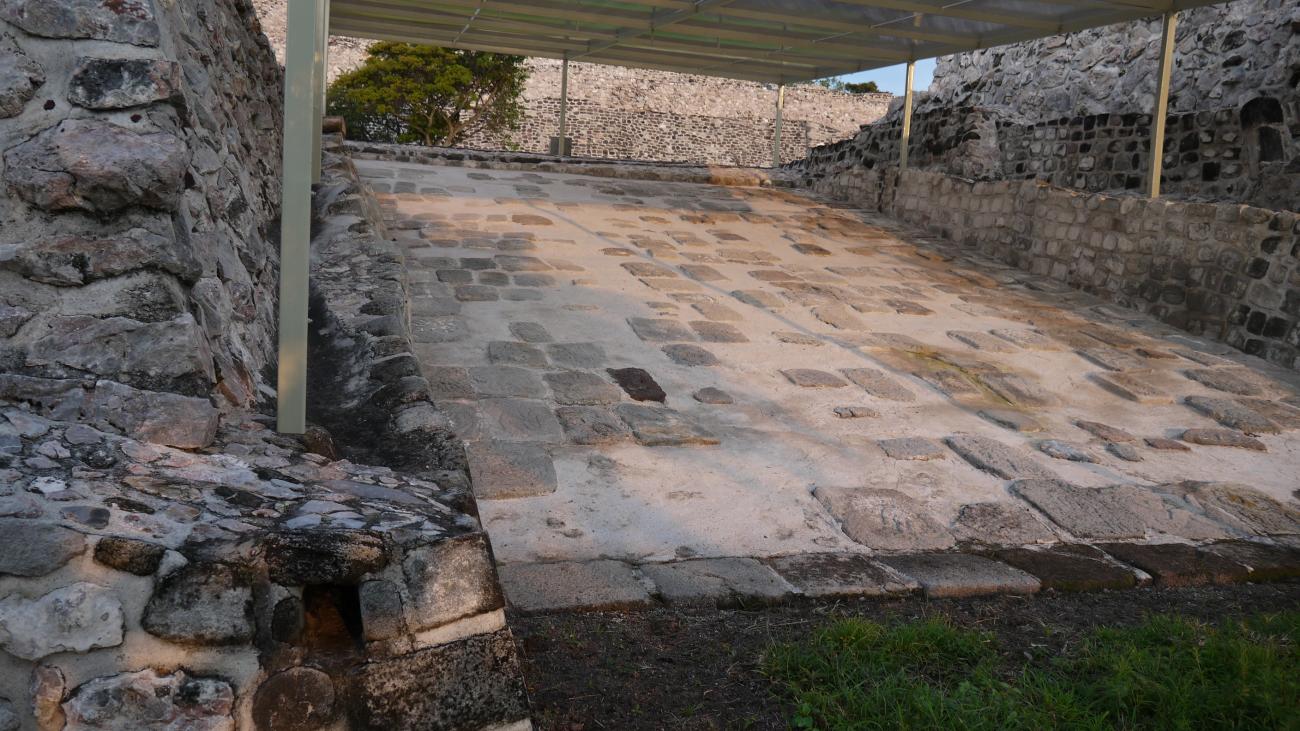
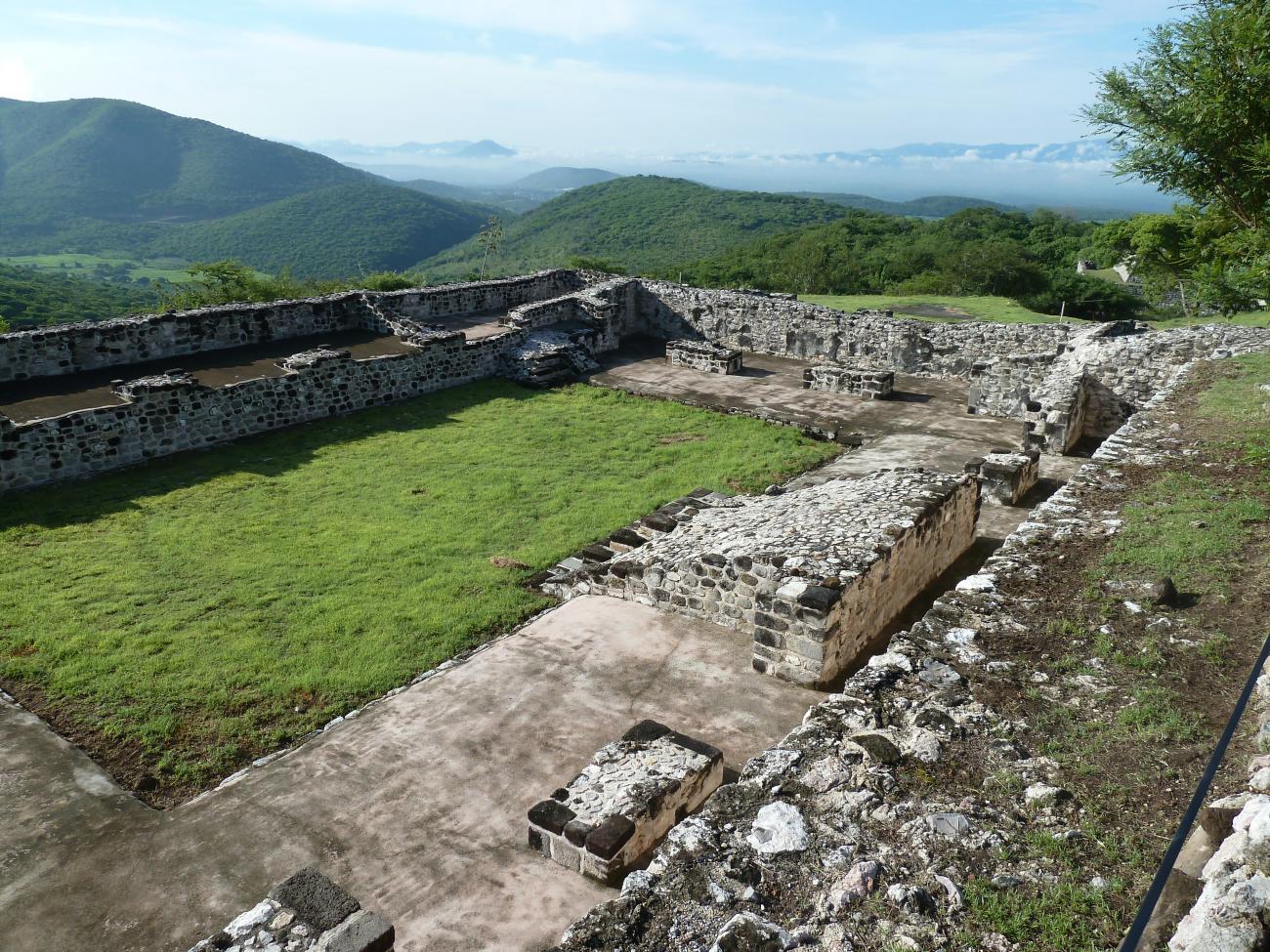
It is divided into three units with patios delimited by galleries, porticoes and pyramidal bases. Between the third unit and the Sunken Patio is the Ramp of the Animals, covered by slabs carved with the representation of different zoomorphic motifs.
Animal Ramp Unique in Mesoamerica, it shows tombstones individually decorated with representations of animals such as birds, snakes, butterflies and several mammals. Its function, as an element of communication, was connected to the different levels of terraces. It consists of 271 slabs and it is considered that these slabs belonged to another building dedicated to the study of these animals.
Temple of the Architects It is located 3.70 m below the level of the terrace, which indicates that access was through the roof of the rooms on the west side, from where a staircase descended to a central patio. Around the patio there are several rooms. In this area were found several masonry instruments, and plumb bobs.

Sector Norte
It is a set of buildings of great relevance because it forms a unit with the North Ball Court, the Polychrome Altar Hall, and a Temazcal or steam bath; in addition to being the space made up of several natural cavities, the best known is the Pre-Hispanic Observatory.North Ball Court It is the…
Sector Norte
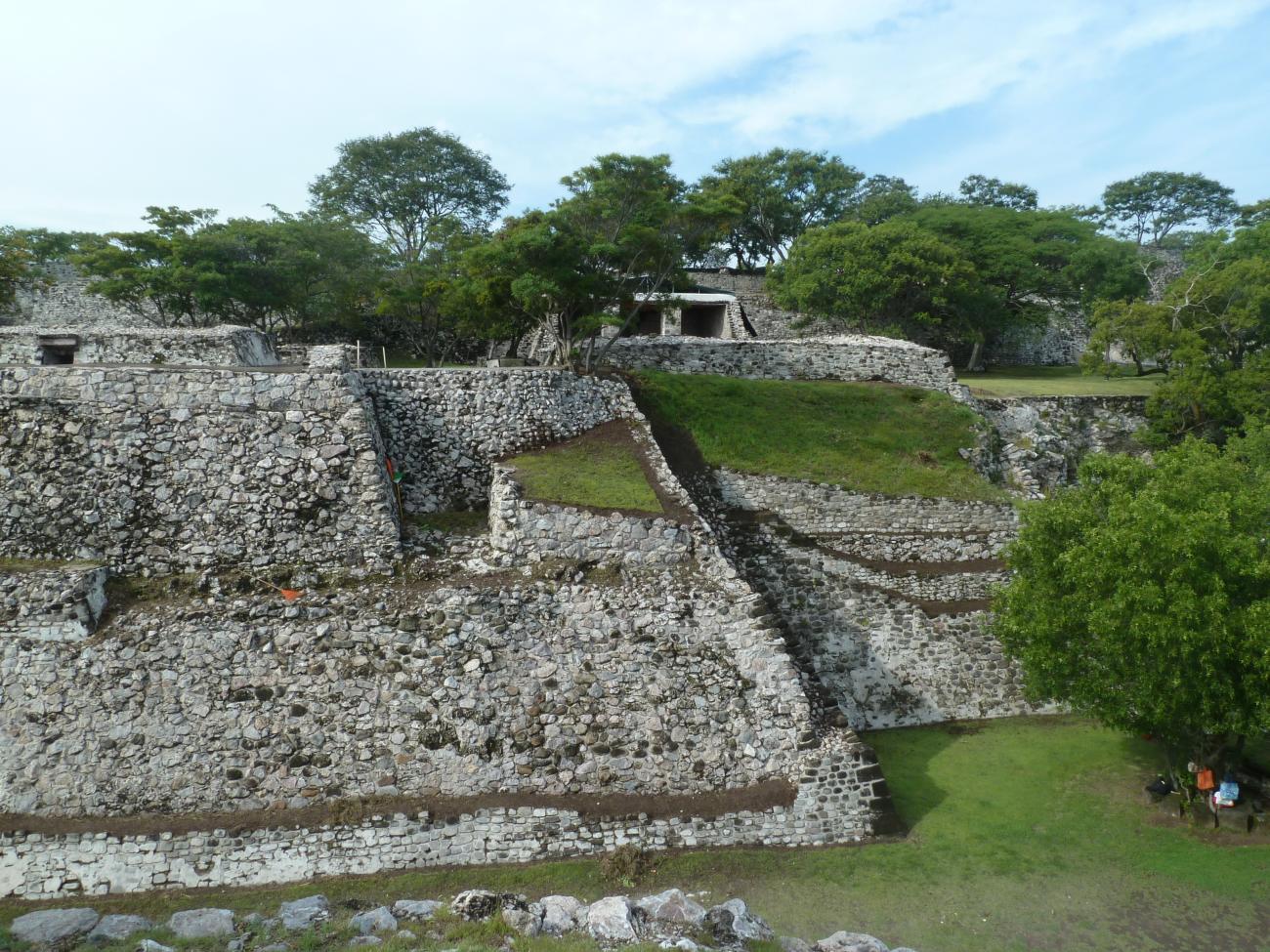
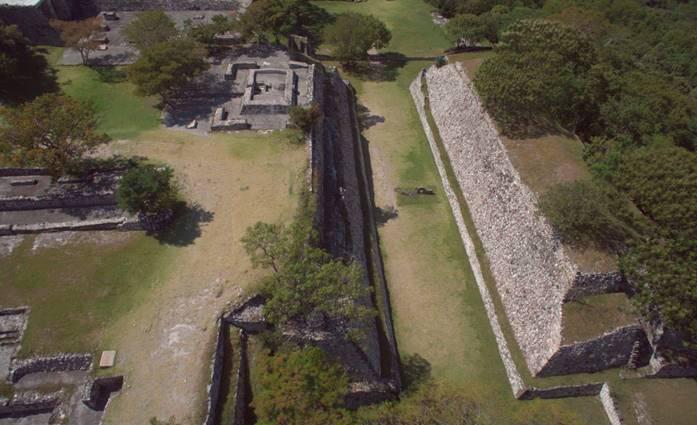
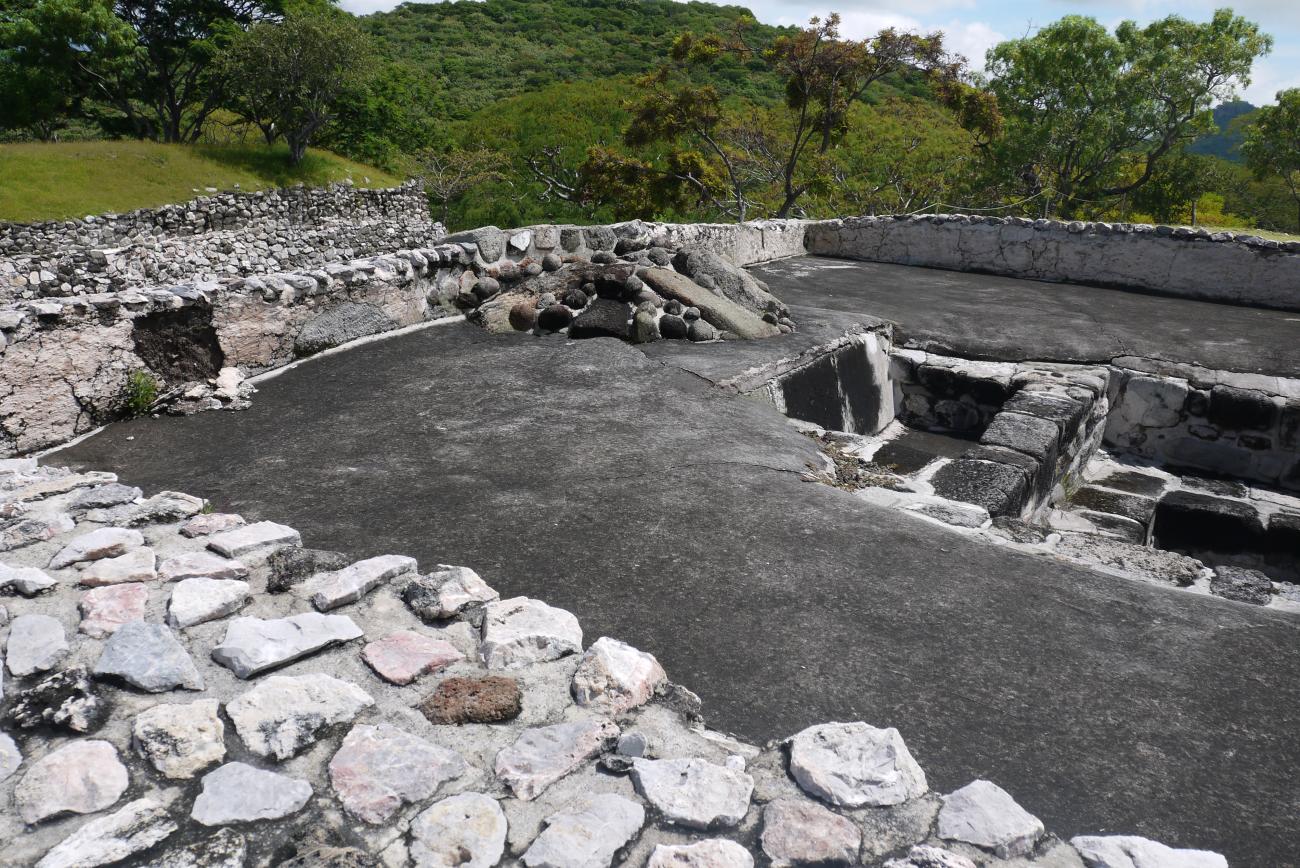
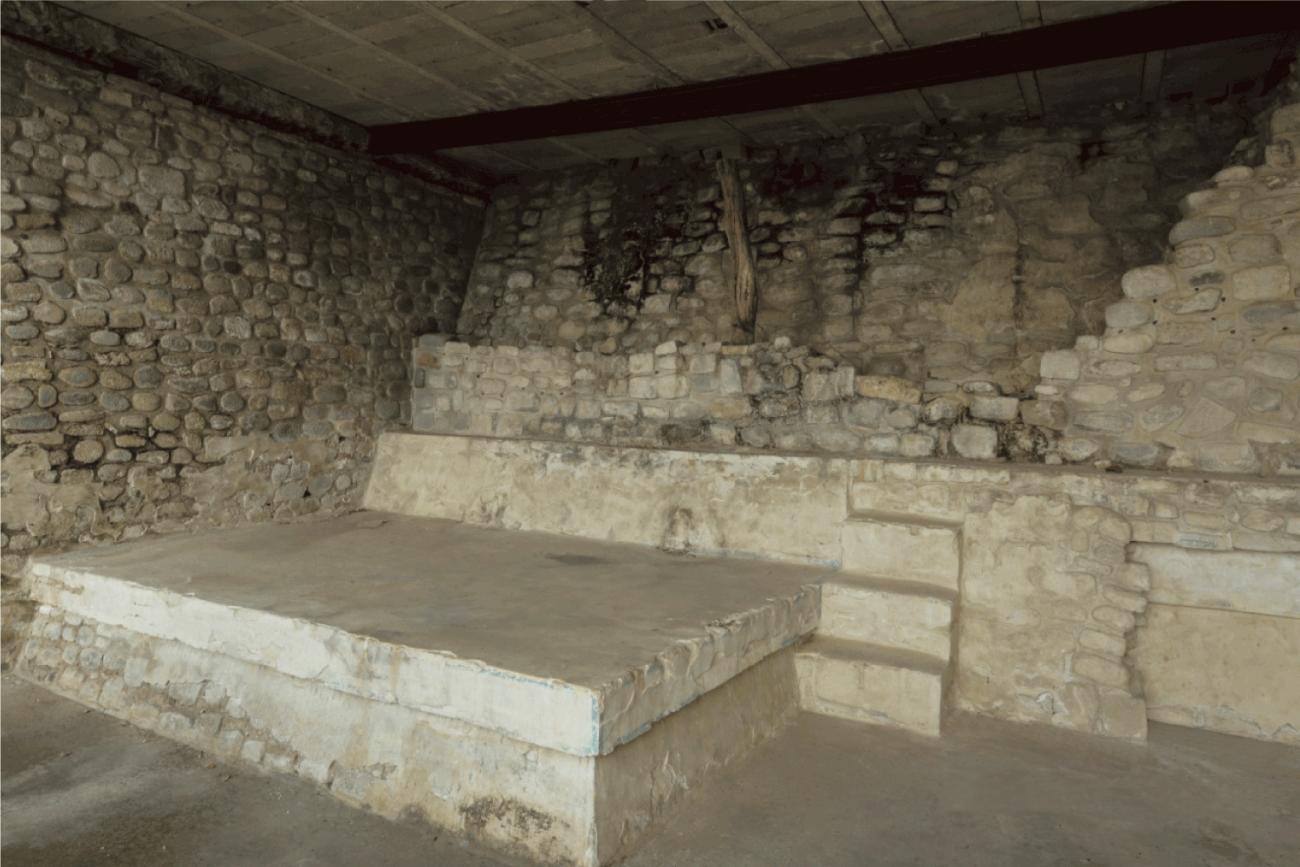
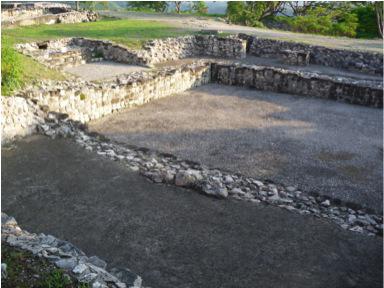
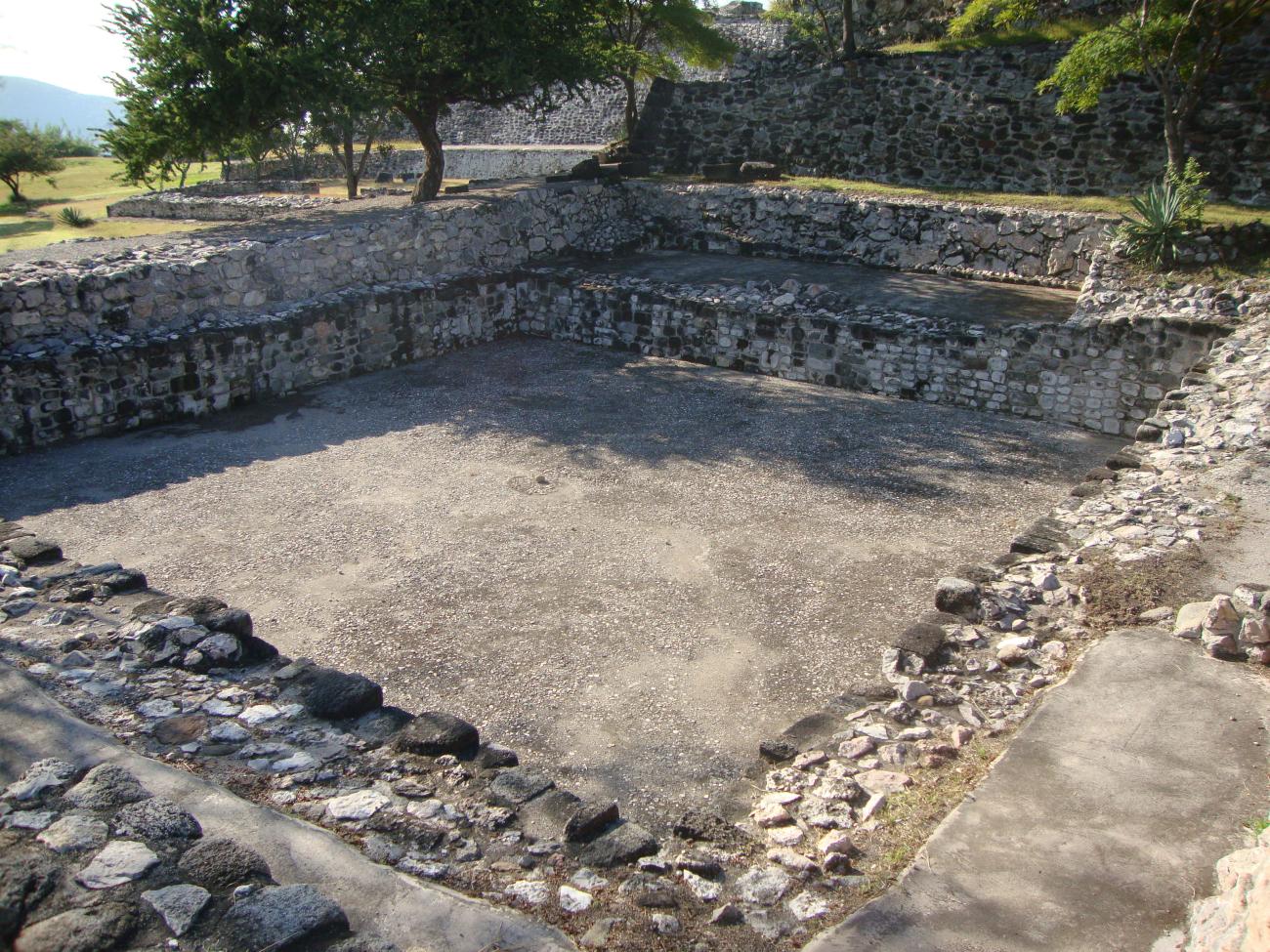
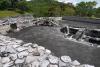
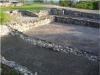
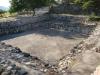
It is a set of buildings of great relevance because it forms a unit with the North Ball Court, the Polychrome Altar Hall, and a Temazcal or steam bath; in addition to being the space made up of several natural cavities, the best known is the Pre-Hispanic Observatory.
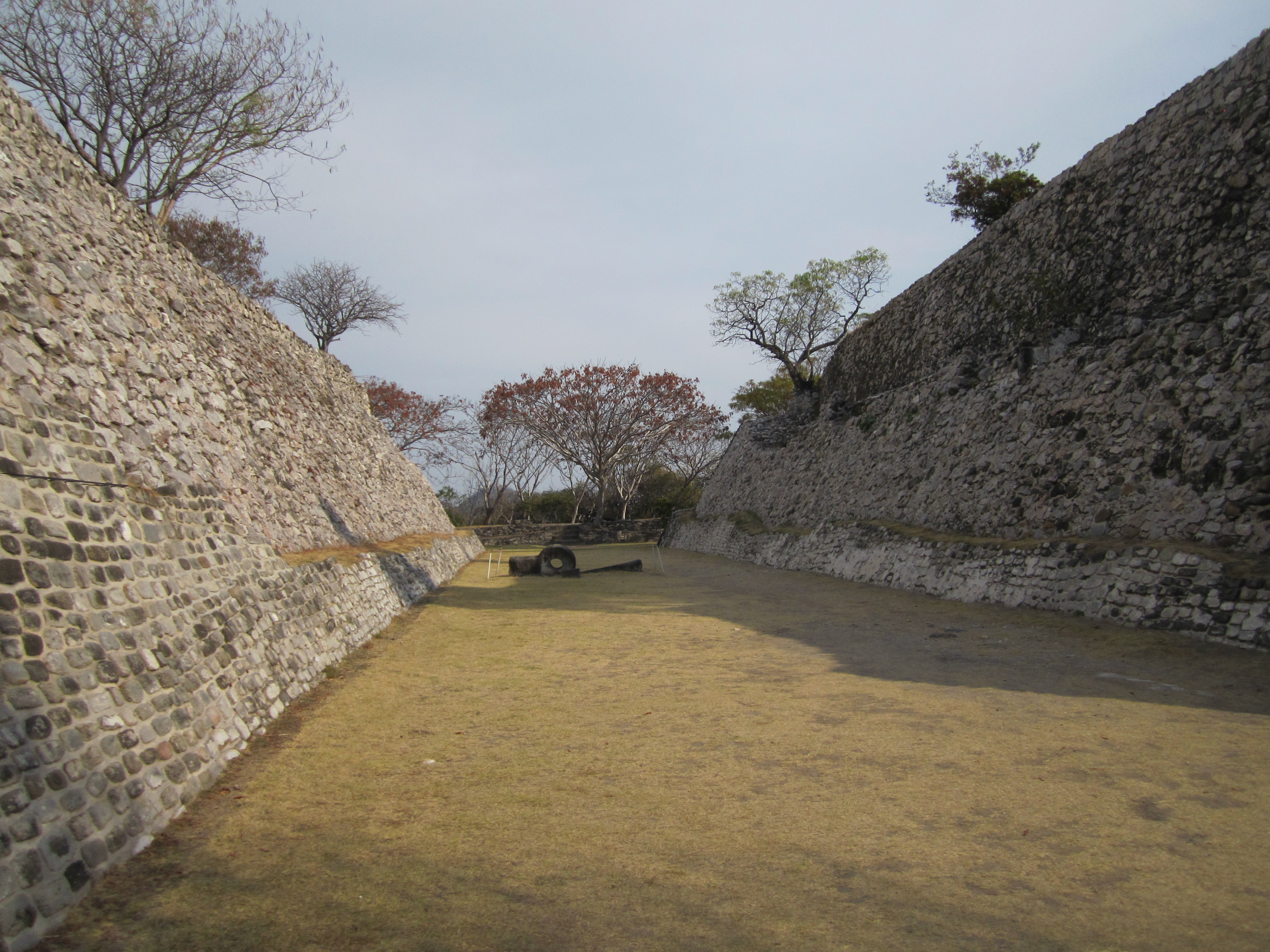
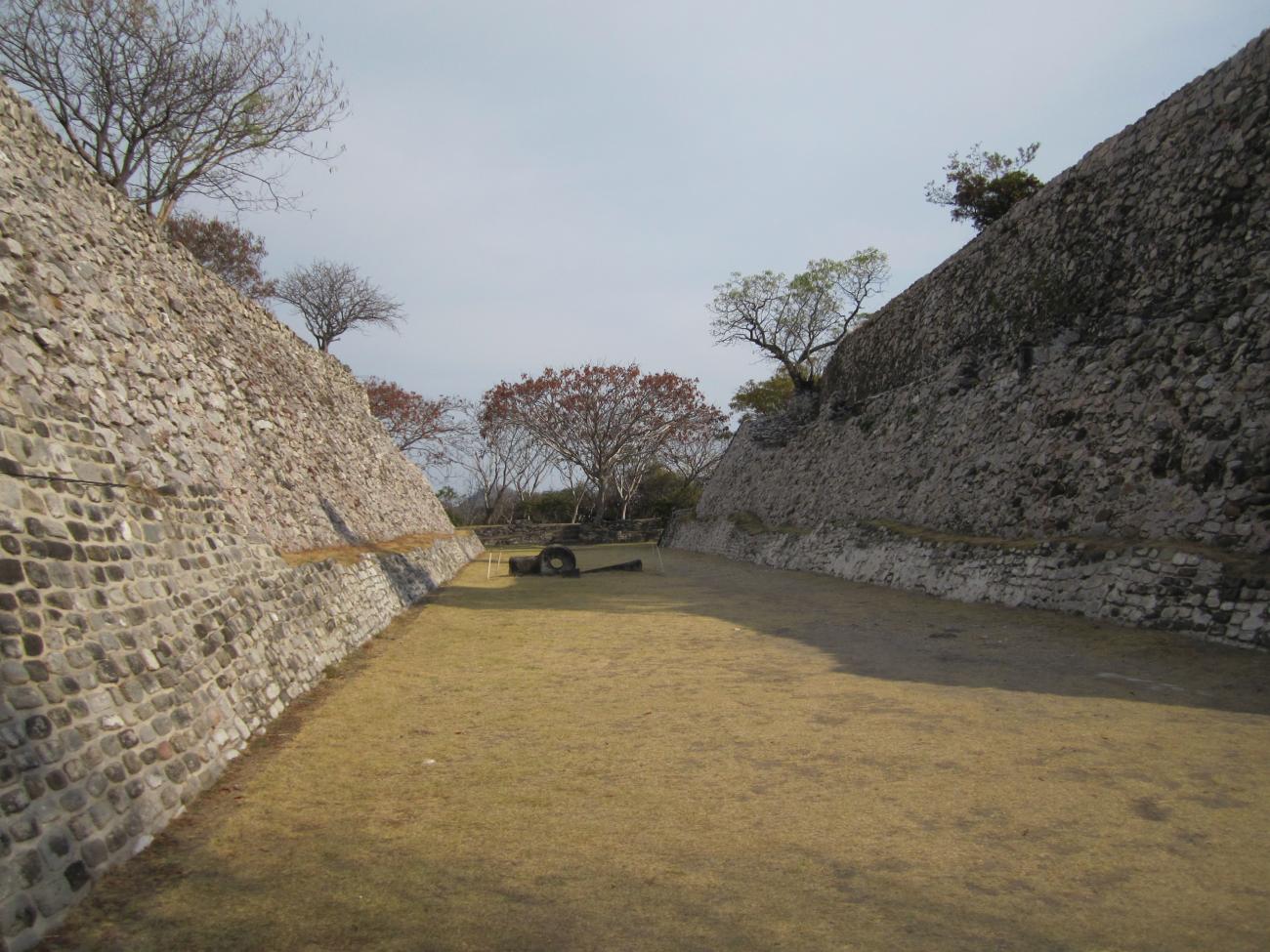
North Ball Court It is the largest of the entire site, having walls up to 12 meters high. The rings that were originally attached to the walls can be seen in the central part.
Temazcal or steam bath It is the most splendid and best preserved found so far in all of Mesoamerica, it was related to the rites of purification, and preparation prior to the game. Quadrangular in shape, it must have had capacity for about 15 people simultaneously, and inside is preserved the space where the stones were heated using firewood. Its organic material roof has been destroyed over time.
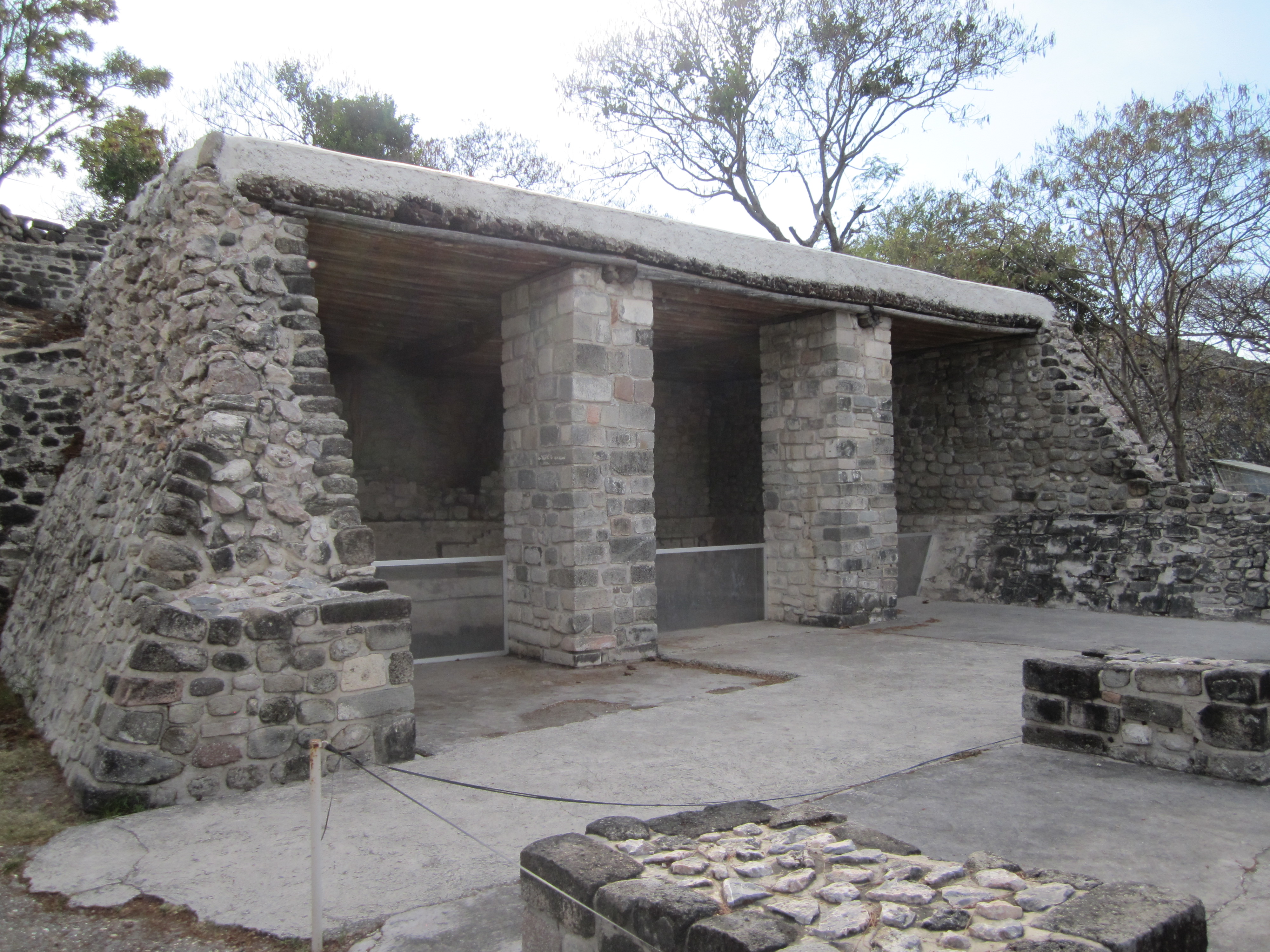
Polychrome Altar Hall It was a huge rectangular space whose flat roof was supported by enormous square columns. Inside, the Polychrome Altar was built, a kind of high bench, decorated with paint, on a flattened limestone with motifs of precious waters, and sacred beads, it is believed that purification rituals were performed on this altar, later associated with passing through the Temazcal to finally access the Ball Court to complete the ritual processes.
Cisterna The evidence of water collection that fell from the rain in Xochicalco is evident in this space that served to store this precious liquid, product of the underground conduction from the upper part to this point.

Nicho de la Madre Tierra
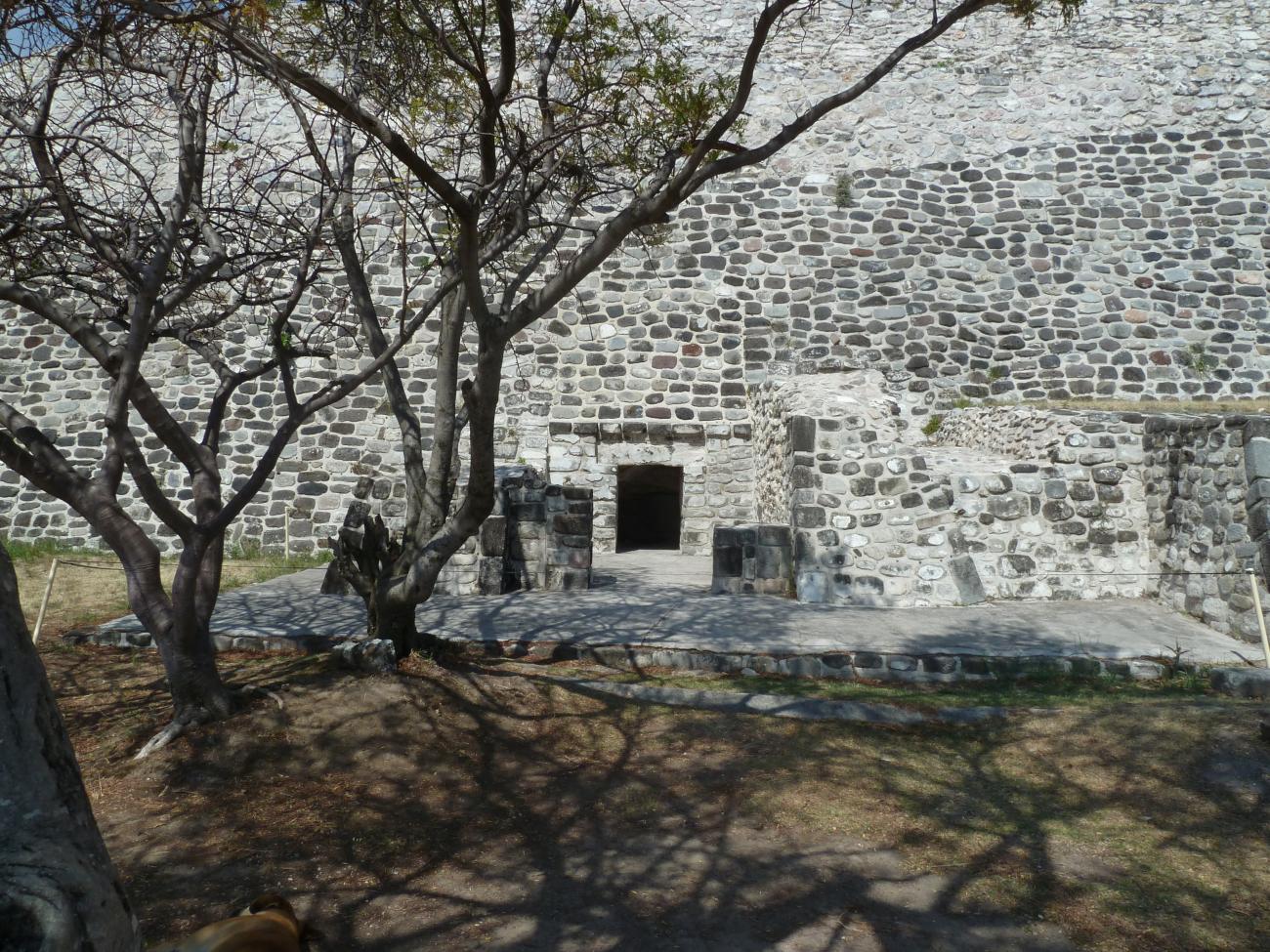
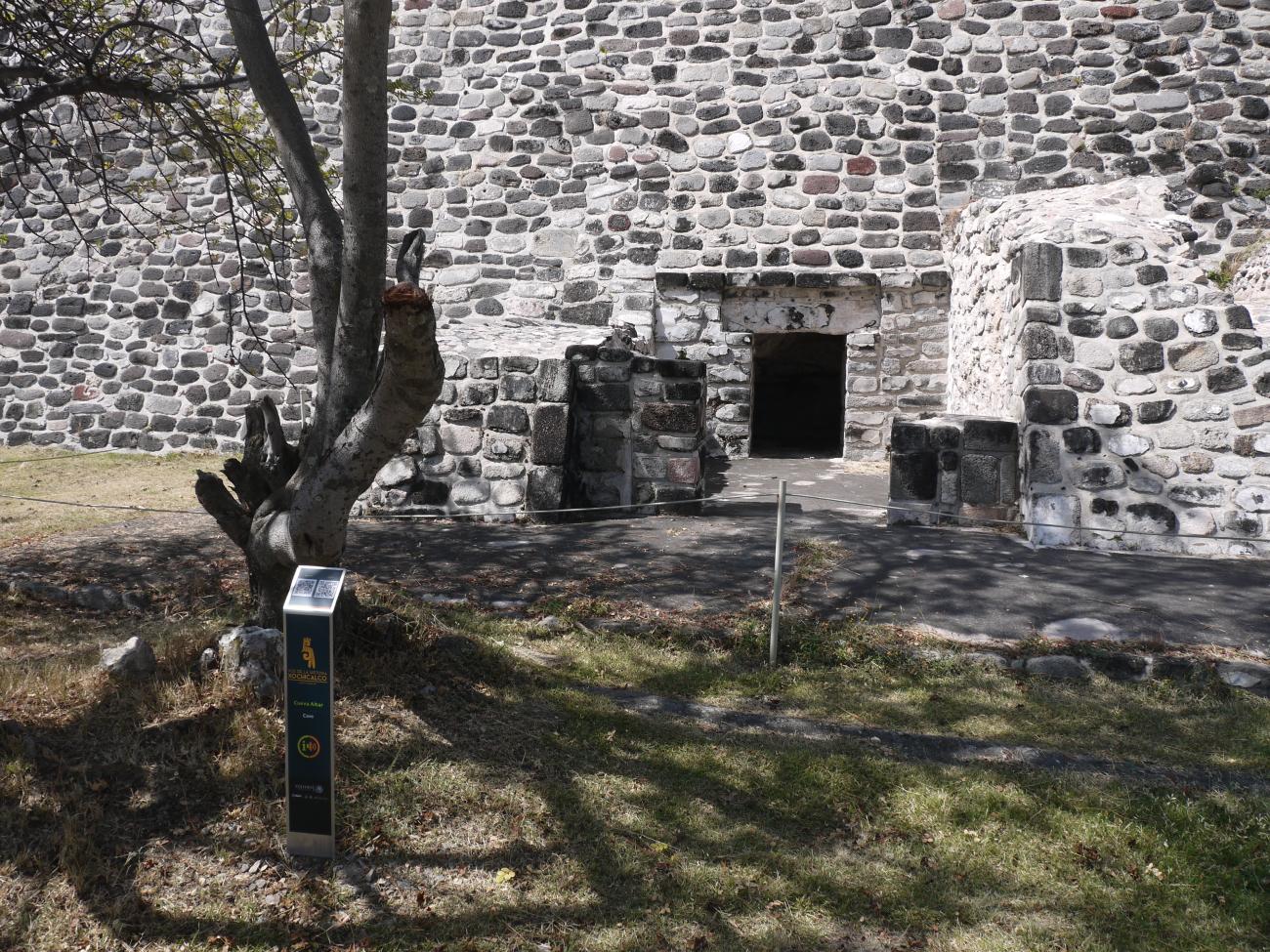
It is a small naturally formed cavern that was adapted by the city's builders in niche shape, possibly conceived as a shrine dedicated to Mother Earth, a sculpture that is exhibited in Hall 2 of the Site Museum.

Juego de Pelota Sur
This court has a floor plan in the shape of a capital I, with wide benches with a sloping surface and hoops that define the transversal half. It was played with a large solid rubber ball that was hit with the hips. The court of the game represented the universe and the ball, the stars that were in…
Juego de Pelota Sur
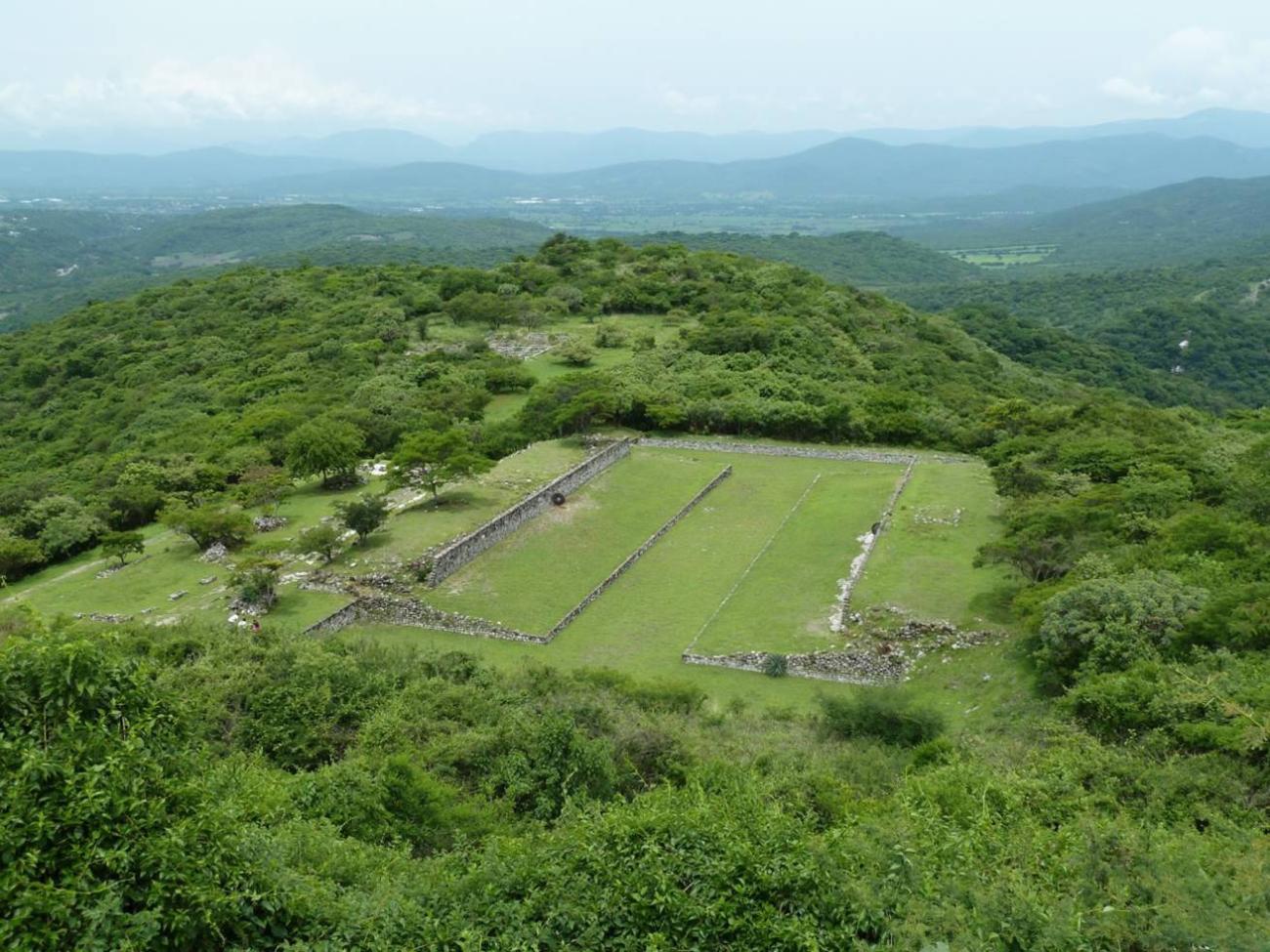
This court has a floor plan in the shape of a capital I, with wide benches with a sloping surface and hoops that define the transversal half. It was played with a large solid rubber ball that was hit with the hips. The court of the game represented the universe and the ball, the stars that were in constant movement. In it, opposing principles such as day and night, life and death, good and evil were confronted; it symbolized an eternal struggle, hence the importance of this ritual game.
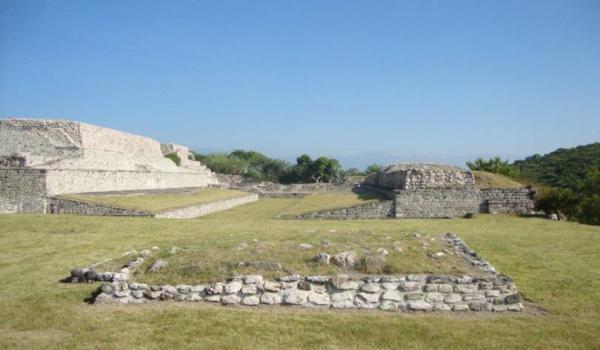
Juego de Pelota Este
The court has the general shape of these buildings. What makes it peculiar is that it only had a beautifully carved ring in bas-relief with the representations of a bat and two macaws, symbols of day and night; it is currently exhibited in the Site Museum.
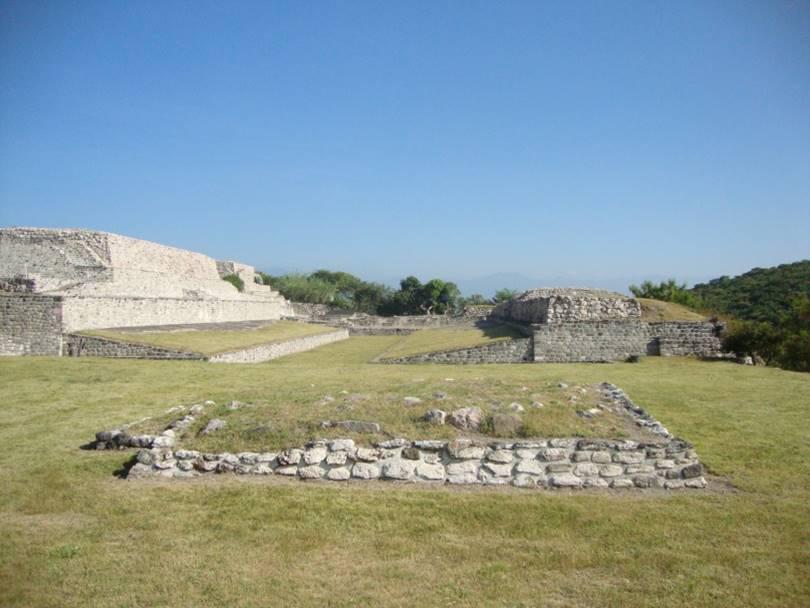

Templo de las Estelas
It is located at the southeast end of the Main Plaza. It is a temple with architectural characteristics very similar to what was found in Monte Albán, Oaxaca. The stairs lead to a patio at the top that is surrounded by rooms on the north and south sides, and to the east with larger dimensions is…
Templo de las Estelas
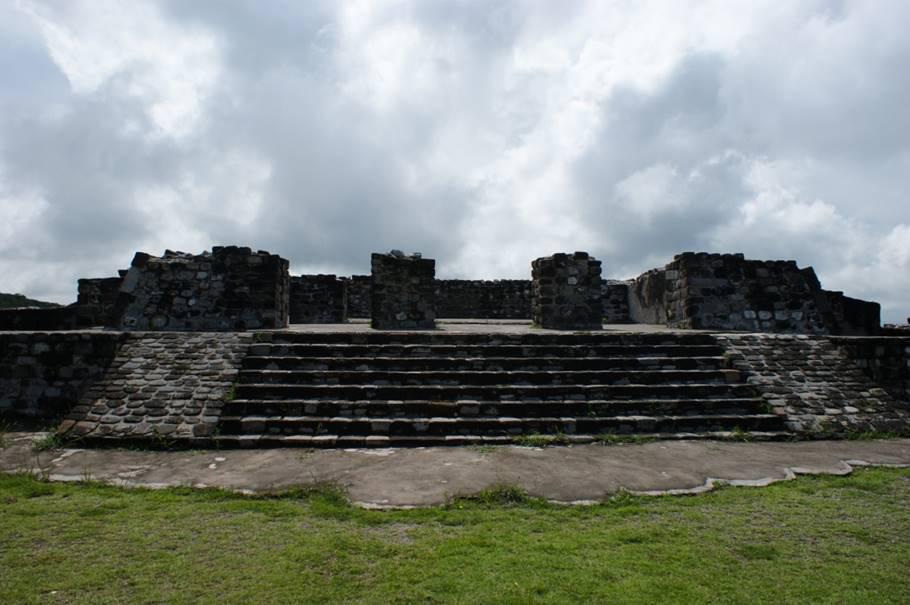
It is located at the southeast end of the Main Plaza. It is a temple with architectural characteristics very similar to what was found in Monte Albán, Oaxaca. The stairs lead to a patio at the top that is surrounded by rooms on the north and south sides, and to the east with larger dimensions is the temple where the three steles covered with a red mineral were found, which are carved with various representations of deities, characters, dates and different events. This building could have been the residence of a high official, since it is one of the most elaborate constructions in Xochicalco.

Pórticos
The system to control access to the heart of the city located on the upper level within the Main Plaza was through porticos that had the function of reducing access for even greater control.
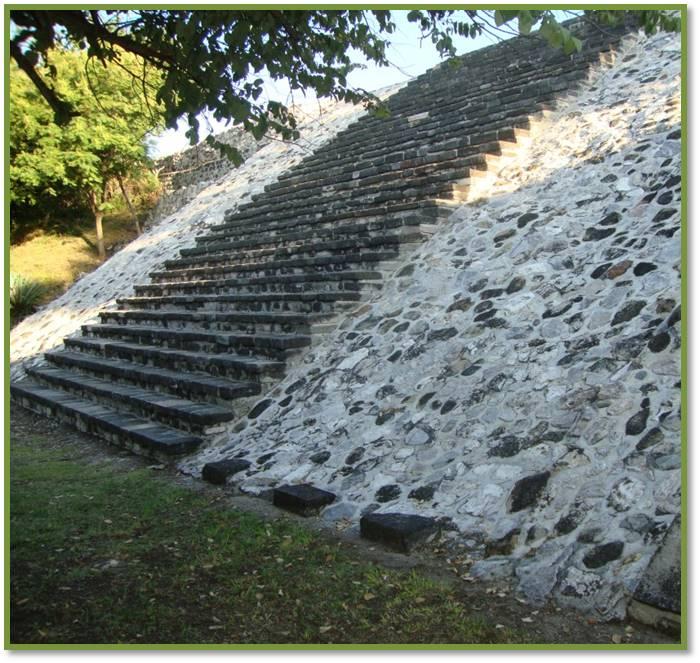

Observatorio prehispánico
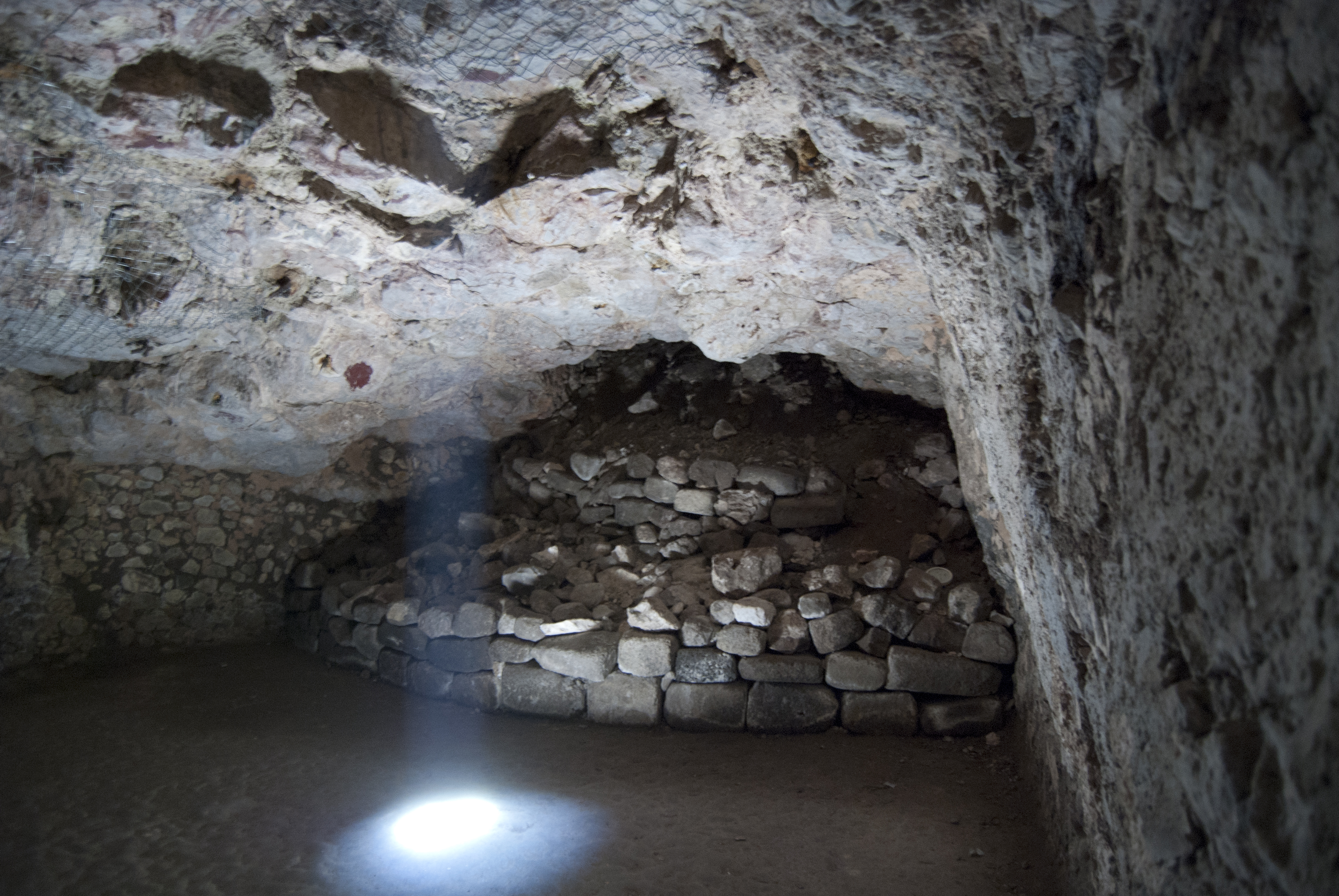
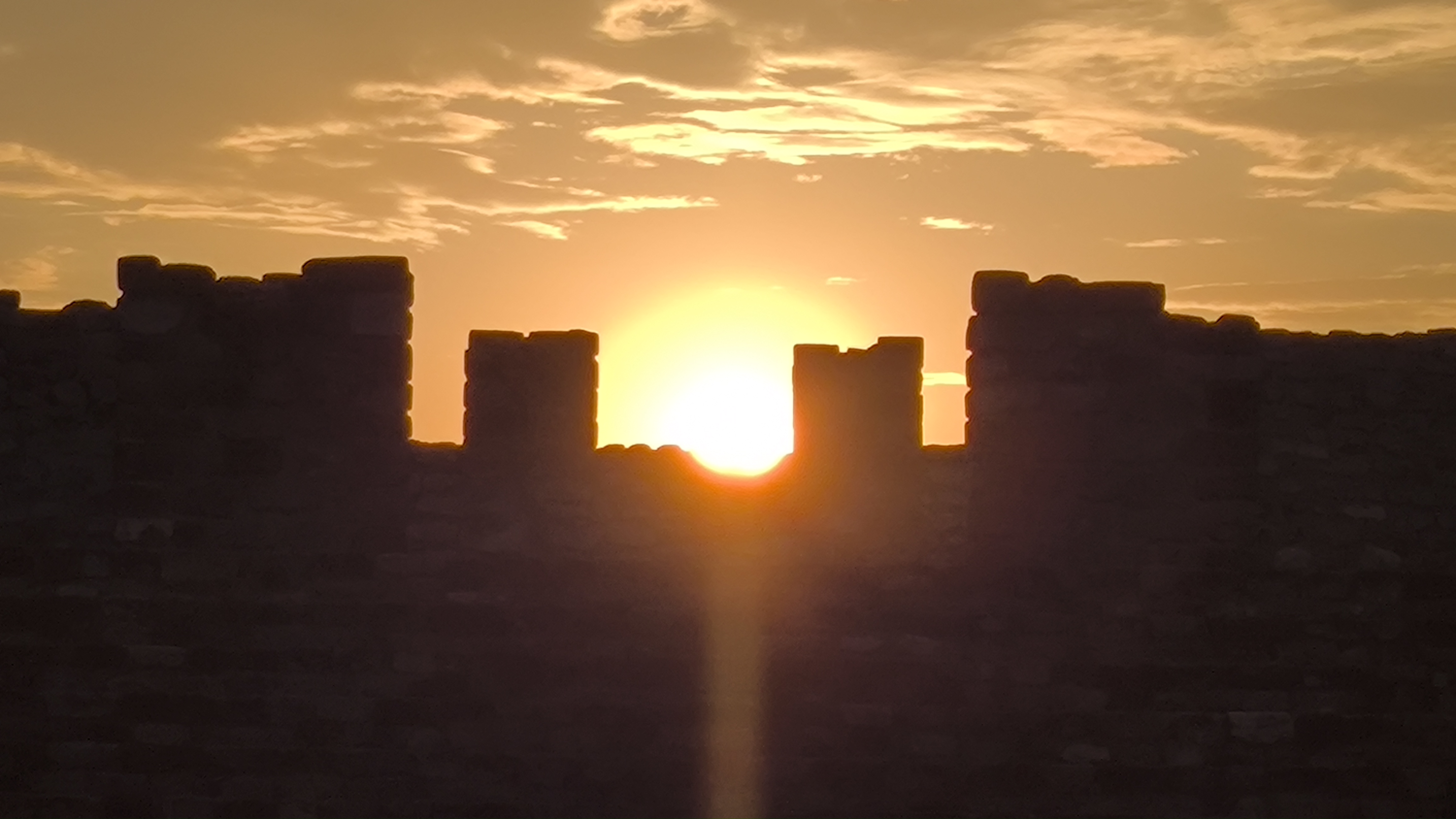
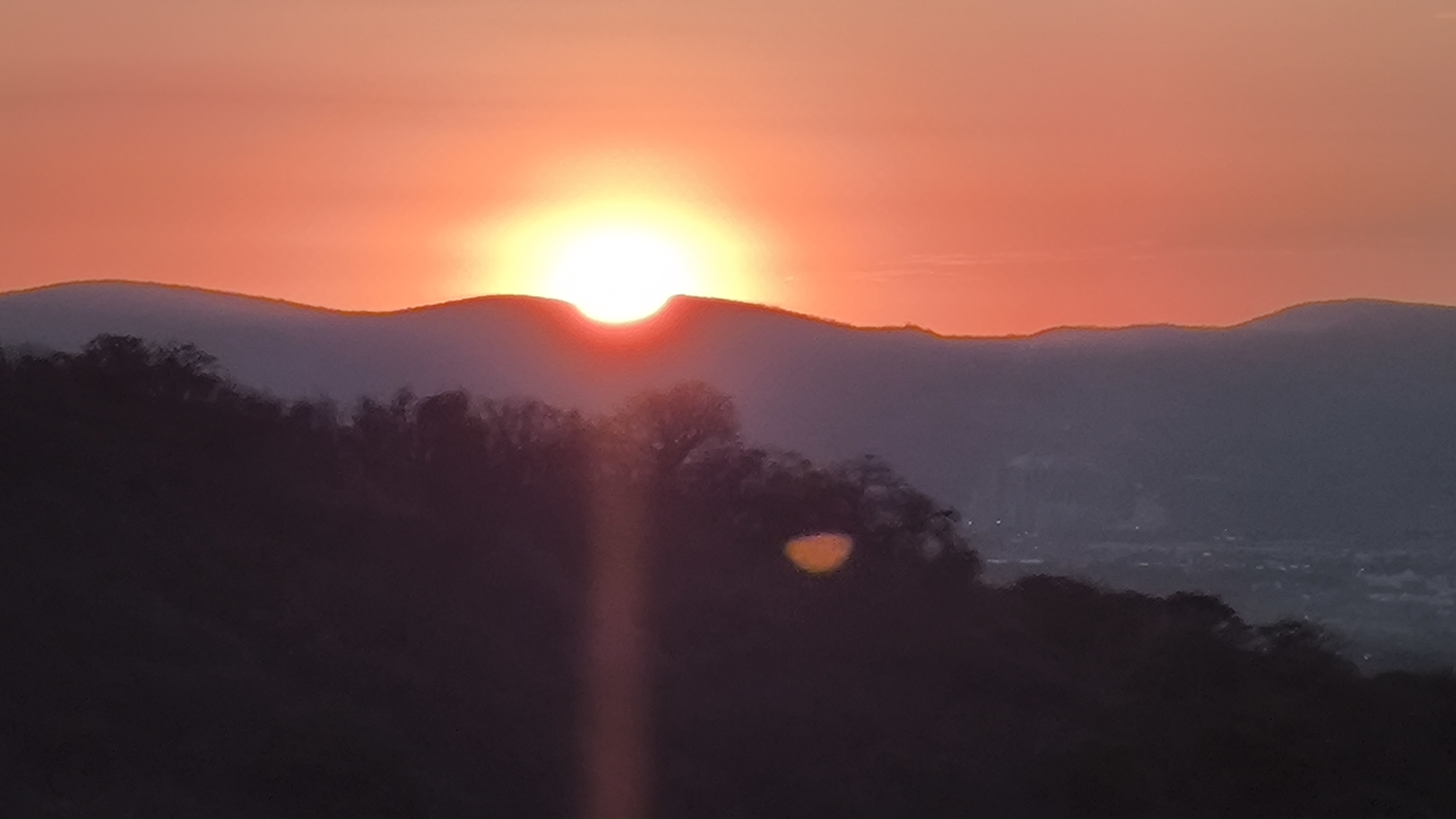
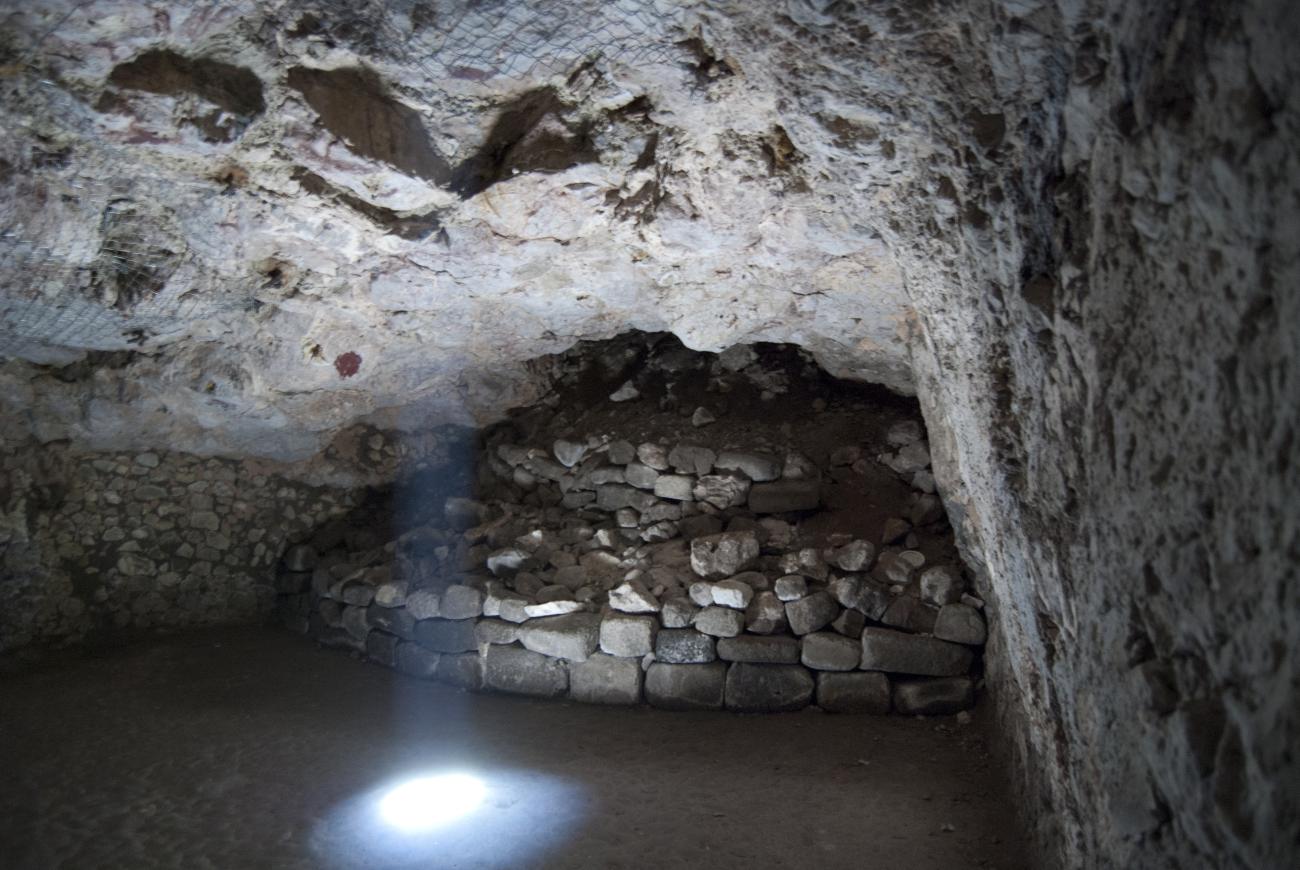
The Pre-Hispanic Observatory in Xochicalco is a natural cave, that was used to extract raw material during the city building, and finally was adapted thru a 8.95 meters to observe the sun, the moon and some planets and constellations. It is an observatory of the sun's passage from above. They…
Observatorio prehispánico
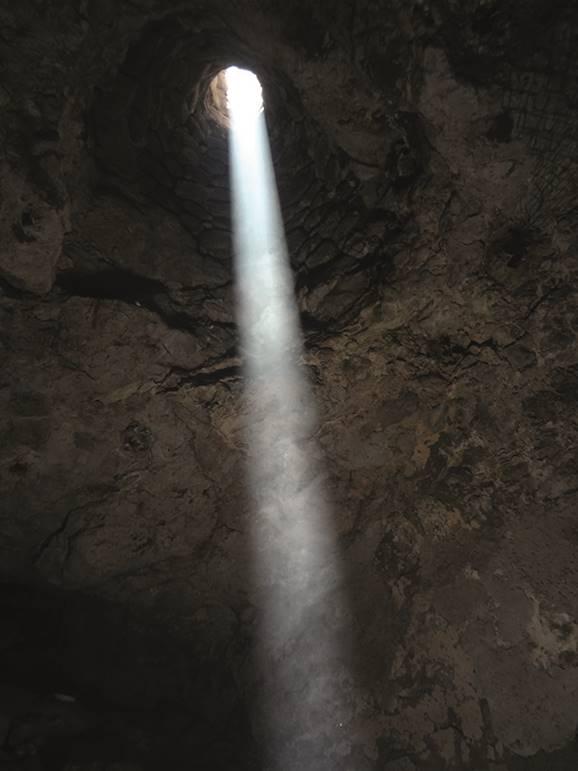
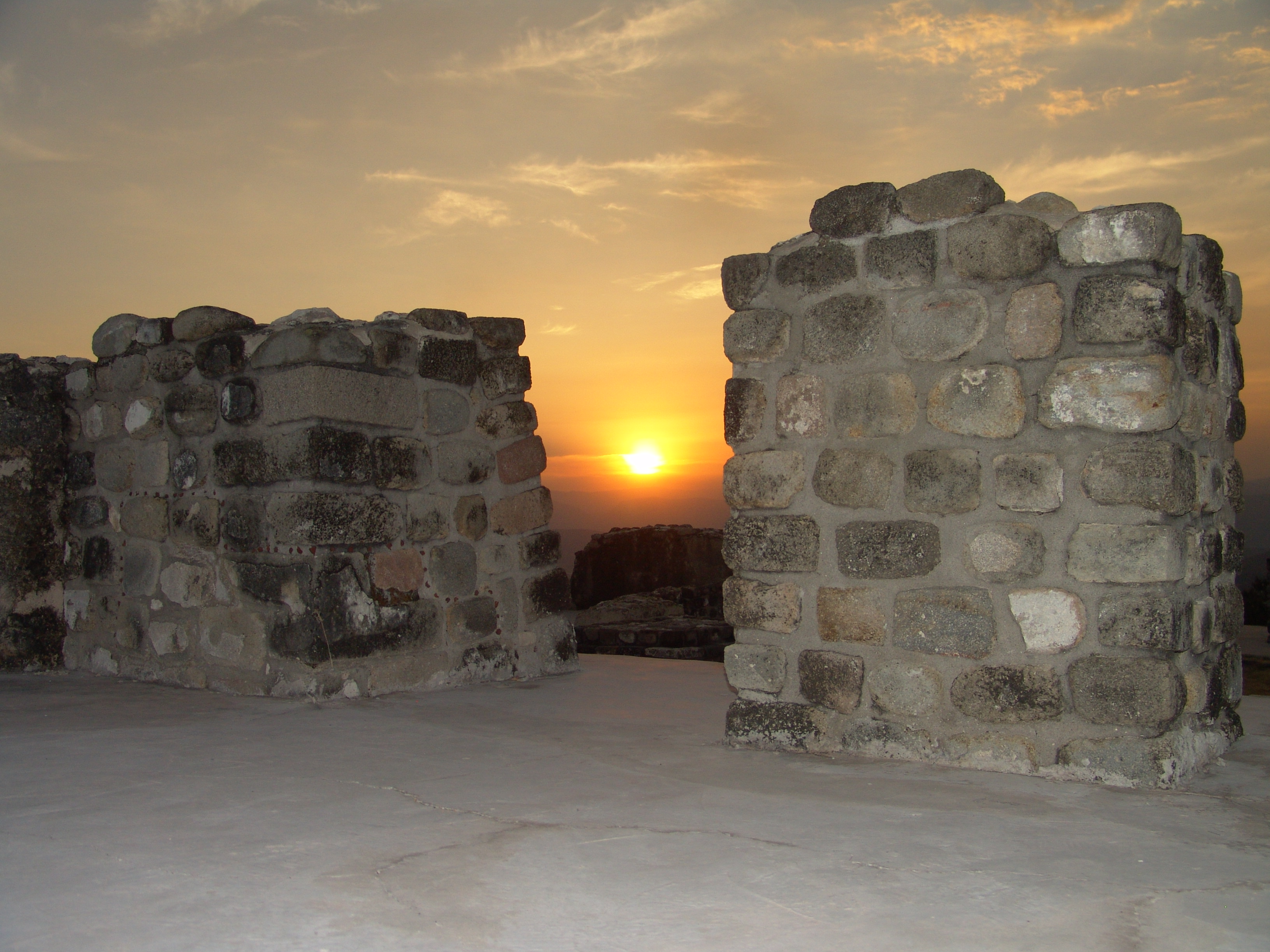
The Pre-Hispanic Observatory in Xochicalco is a natural cave, that was used to extract raw material during the city building, and finally was adapted thru a 8.95 meters to observe the sun, the moon and some planets and constellations. It is an observatory of the sun's passage from above. They probably used several mechanisms to project, and record the passage of the stars and thus obtain precise measurements that allowed time to be controlled thanks to the sky.

Templo de las Serpientes Emplumadas
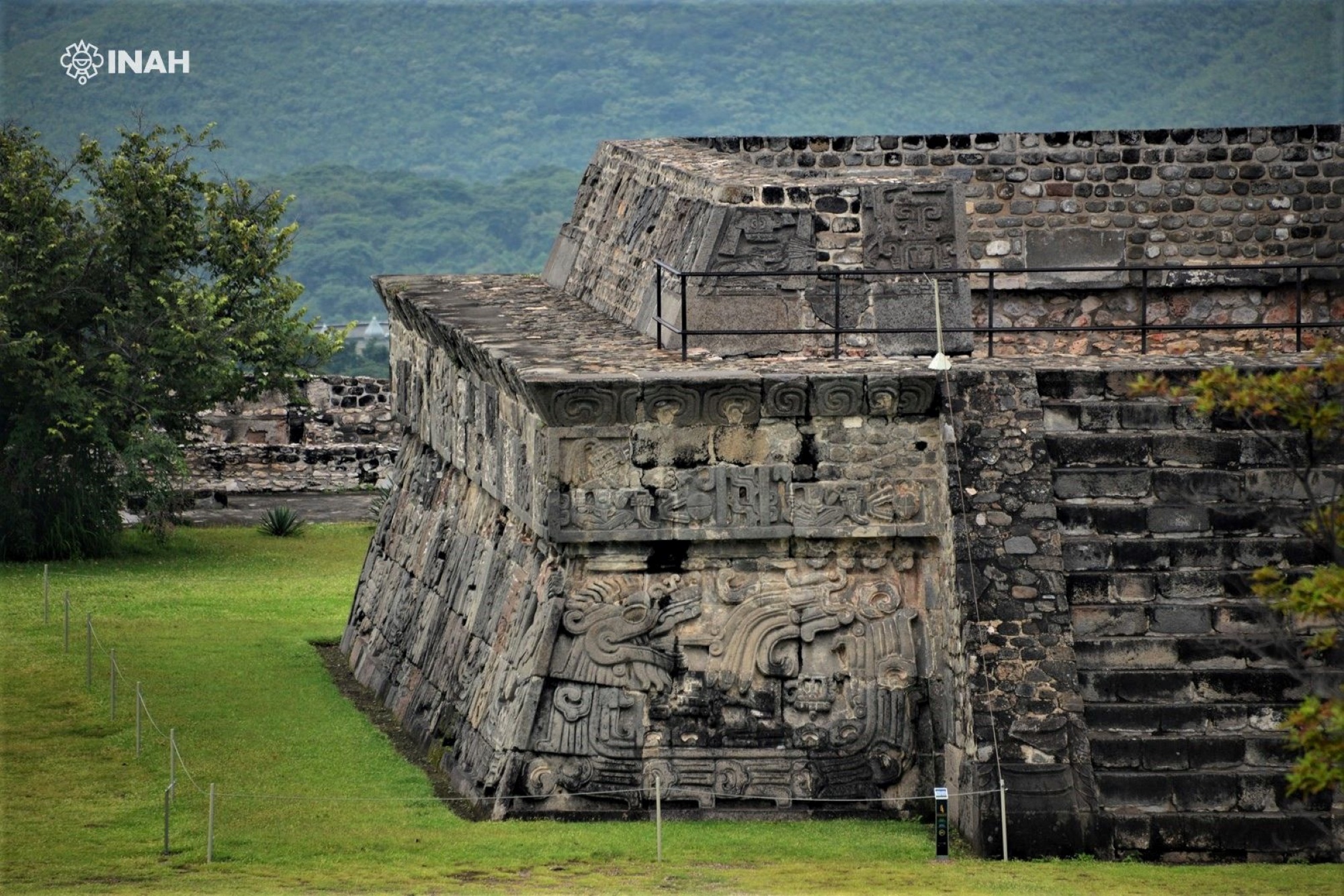
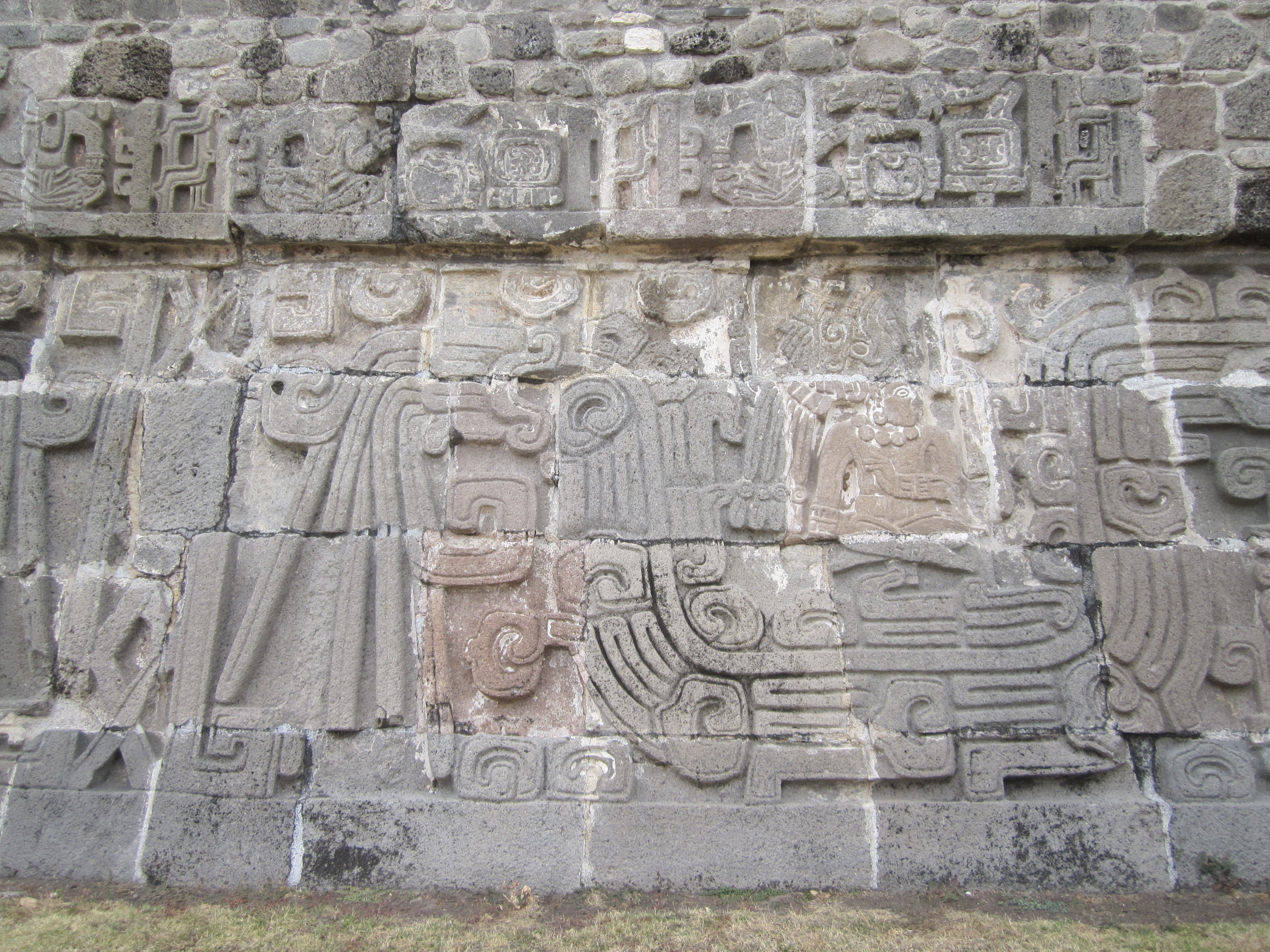
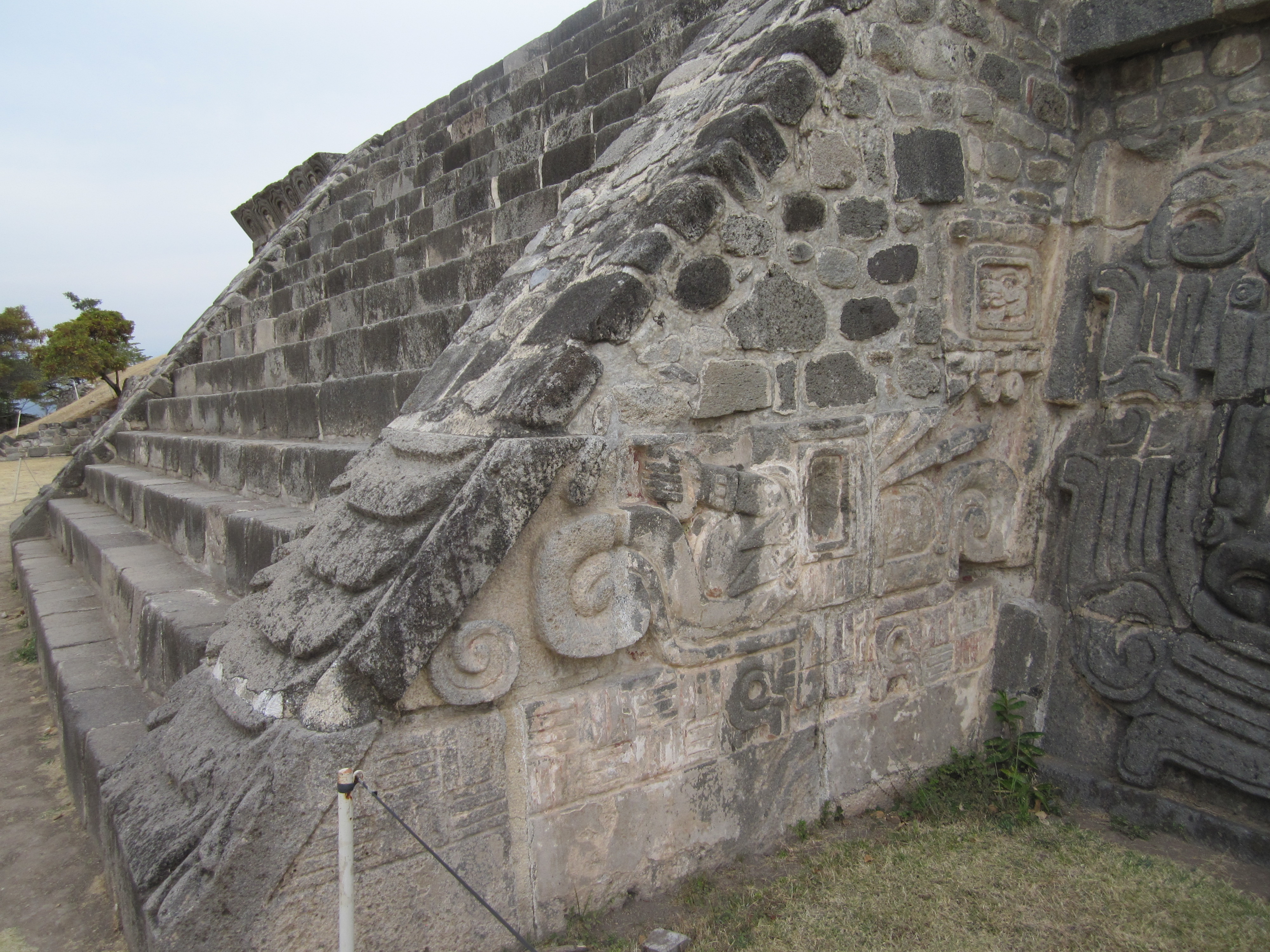
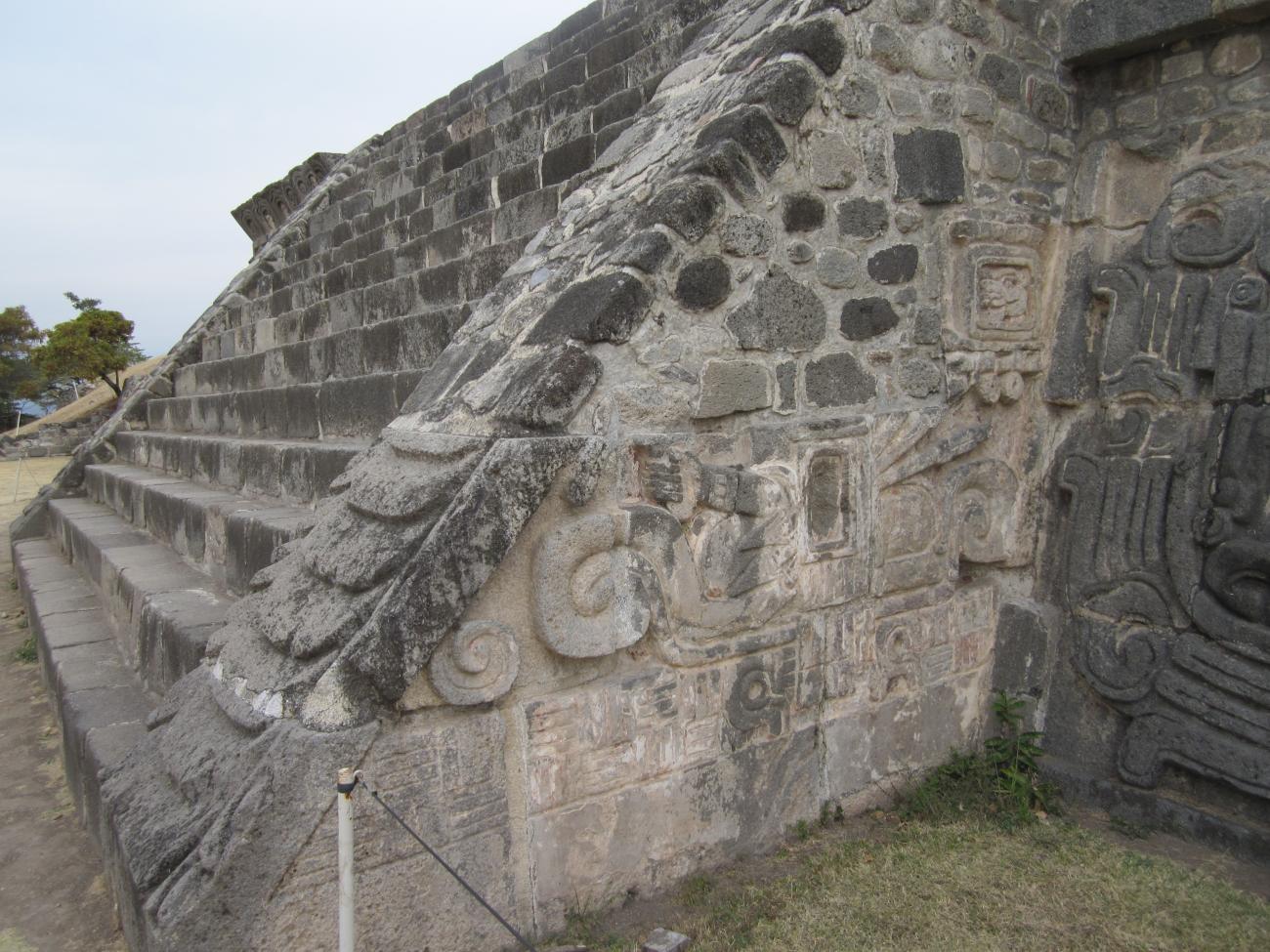
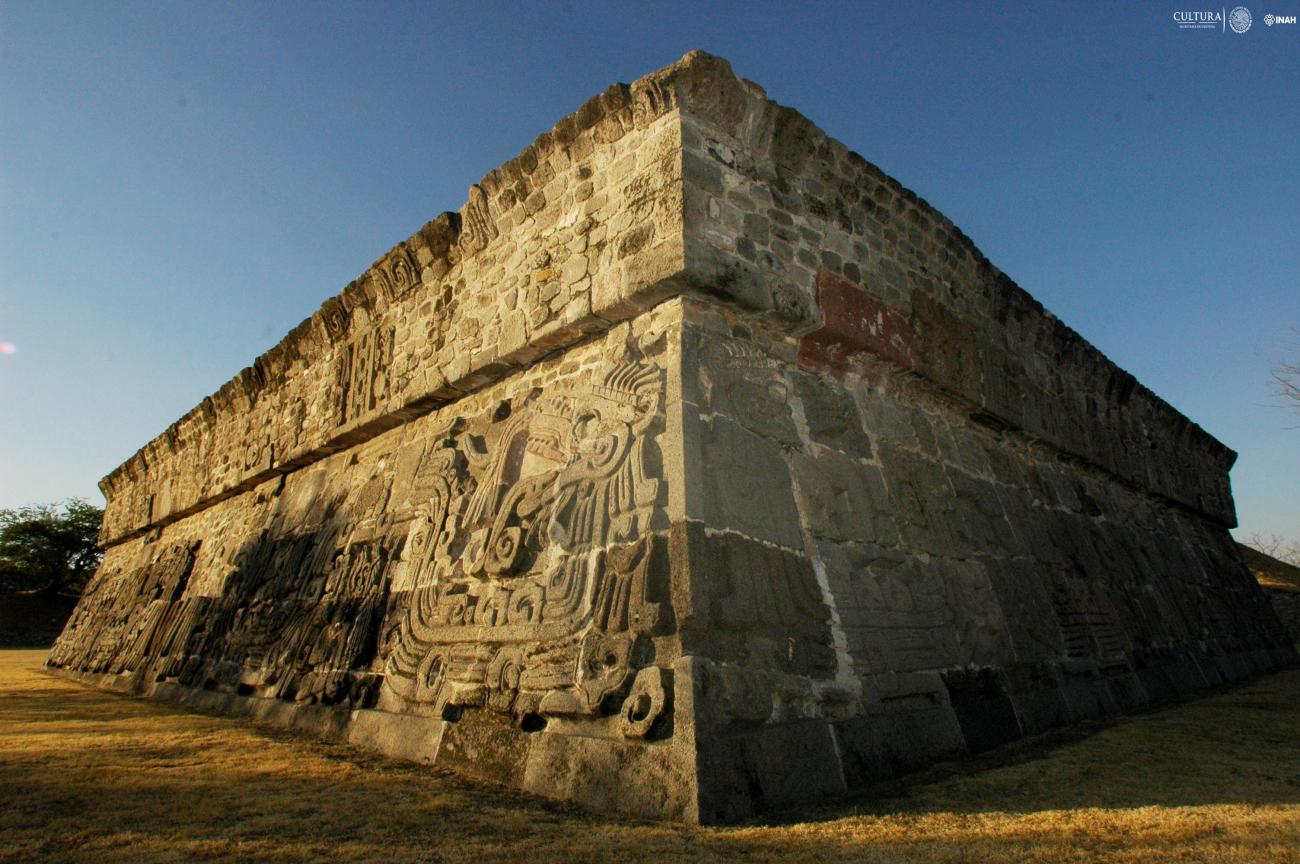
It is the most emblematic building of the indigenous city Xochicalco. Mainly consists of 8 feathered snakes arranged in different positions, distributed 2 on each facade, they are adorned with elements from cultures from Oaxaca, Veracruz and the Mayan area. Between the undulating bodies of three of…
Templo de las Serpientes Emplumadas
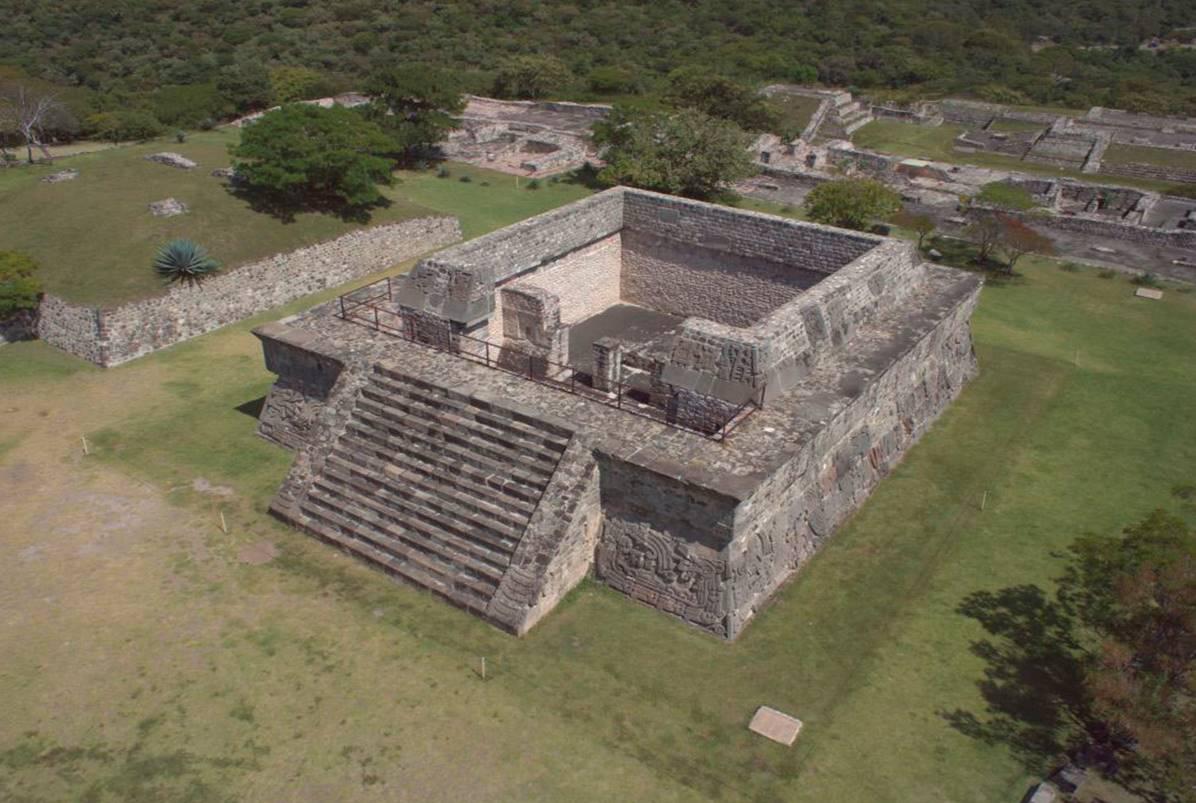
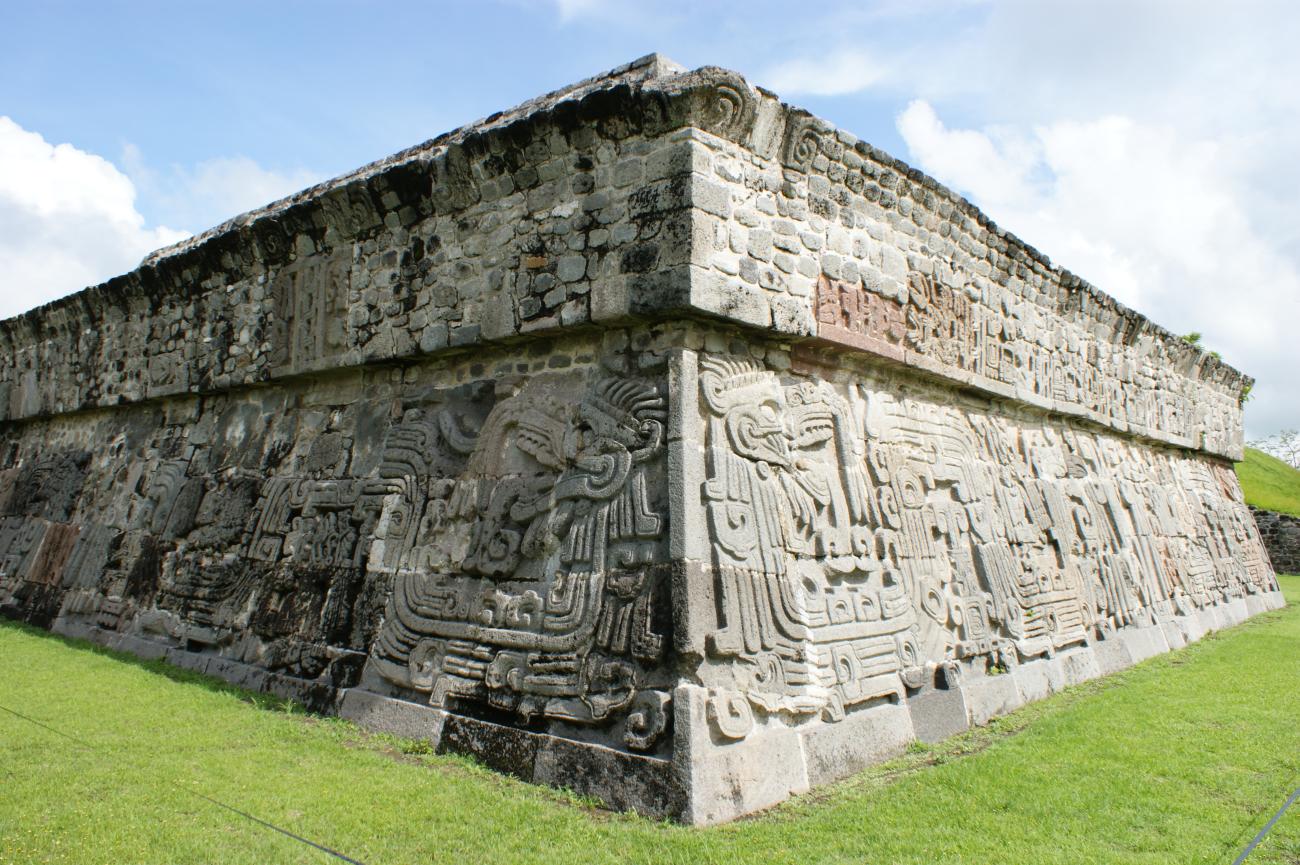
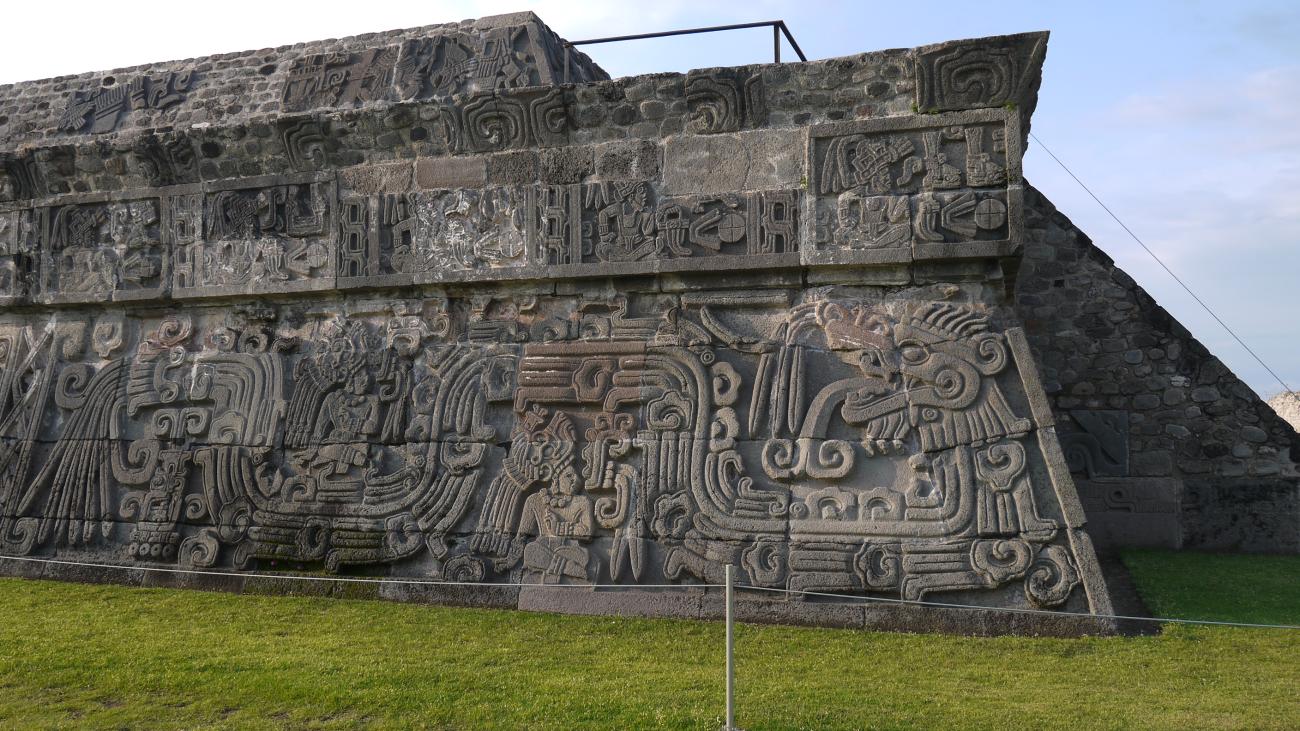
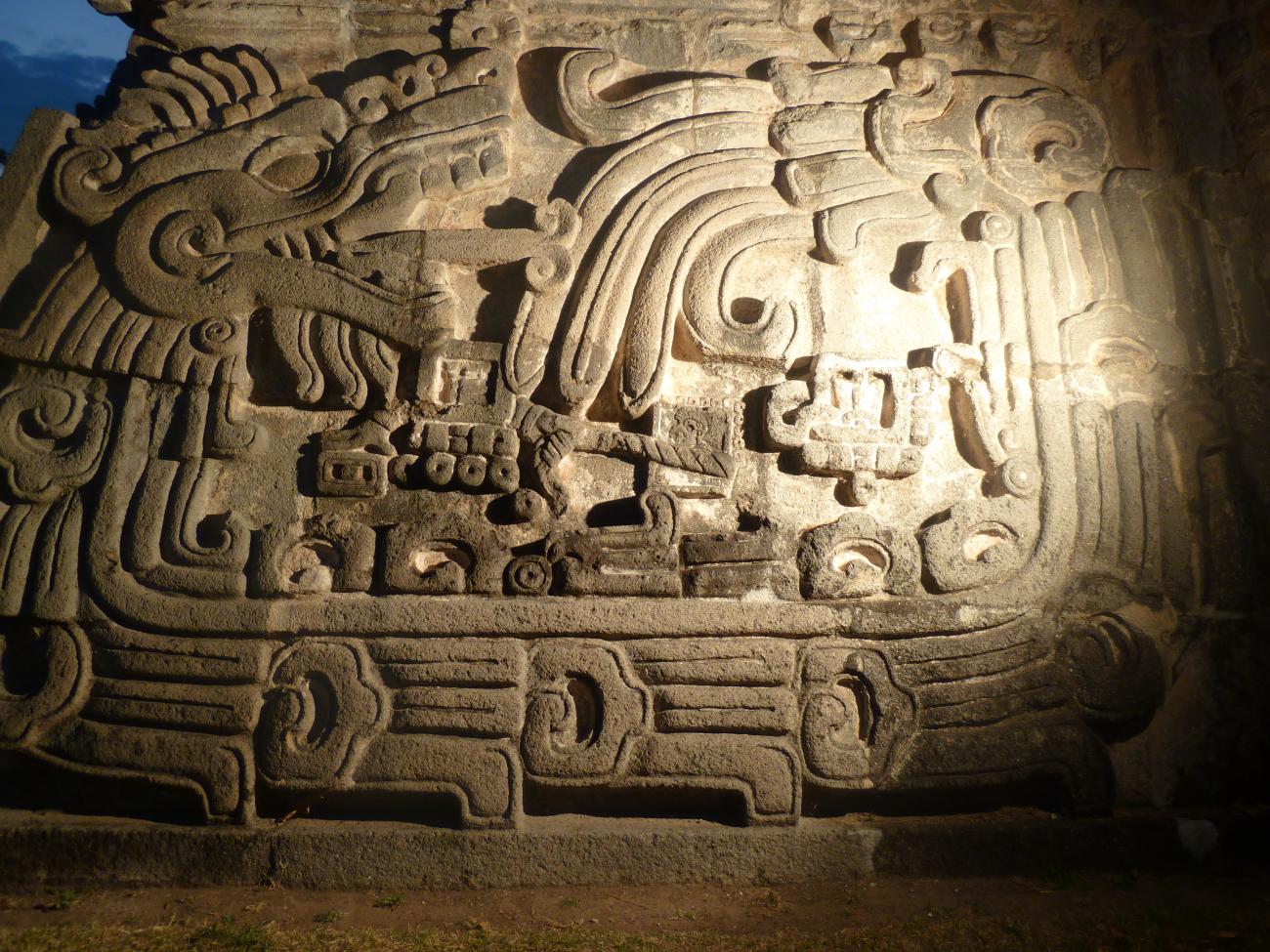
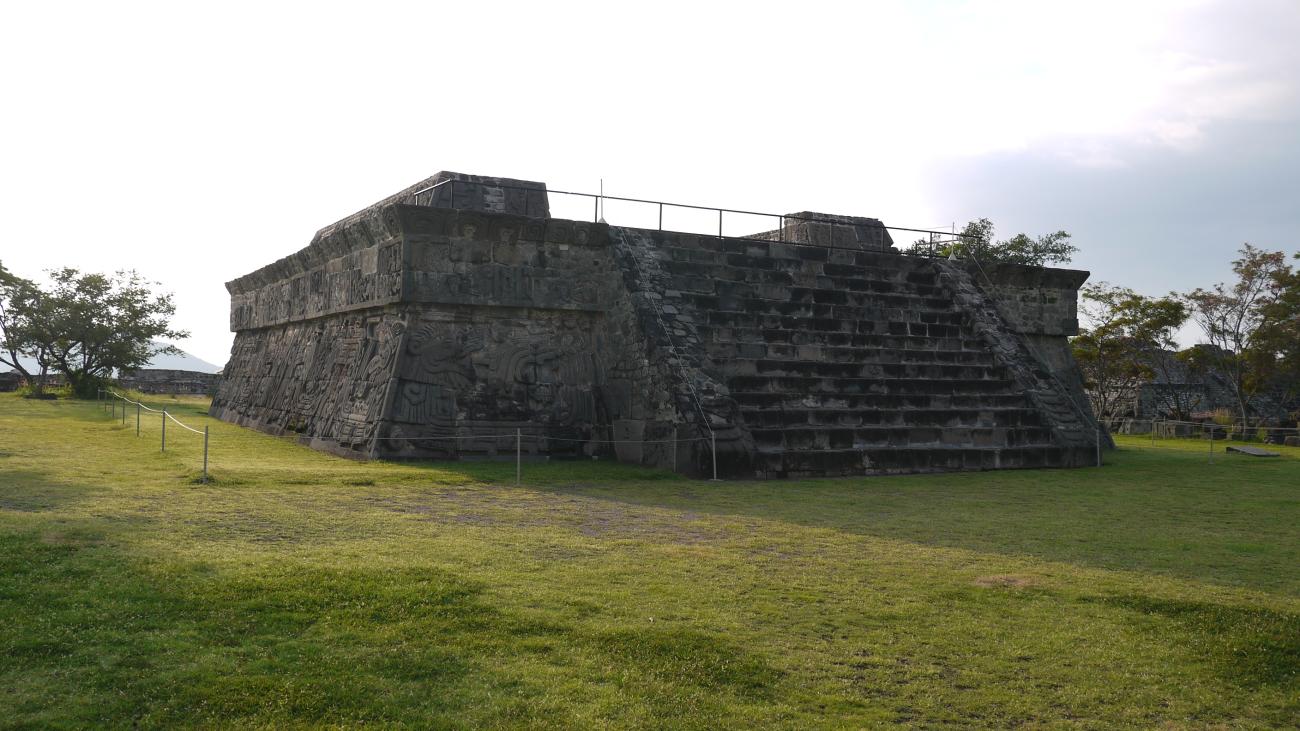
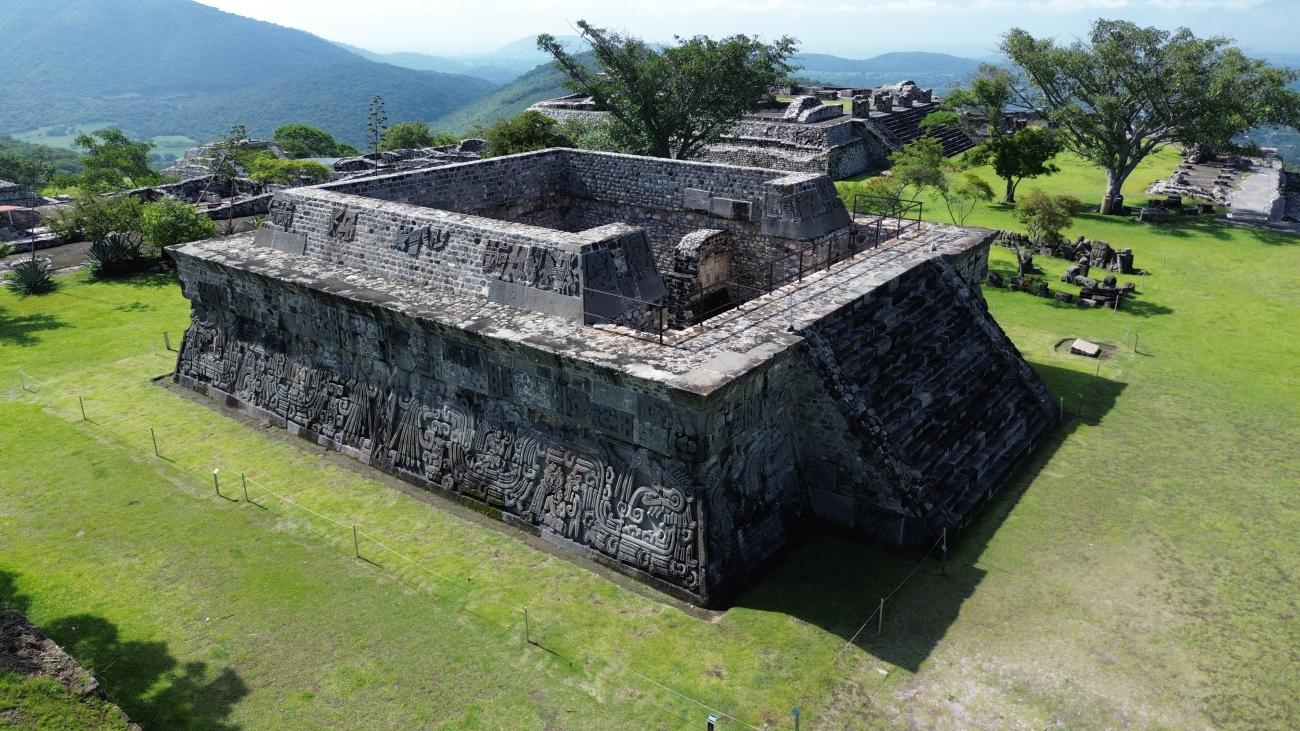
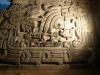
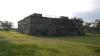

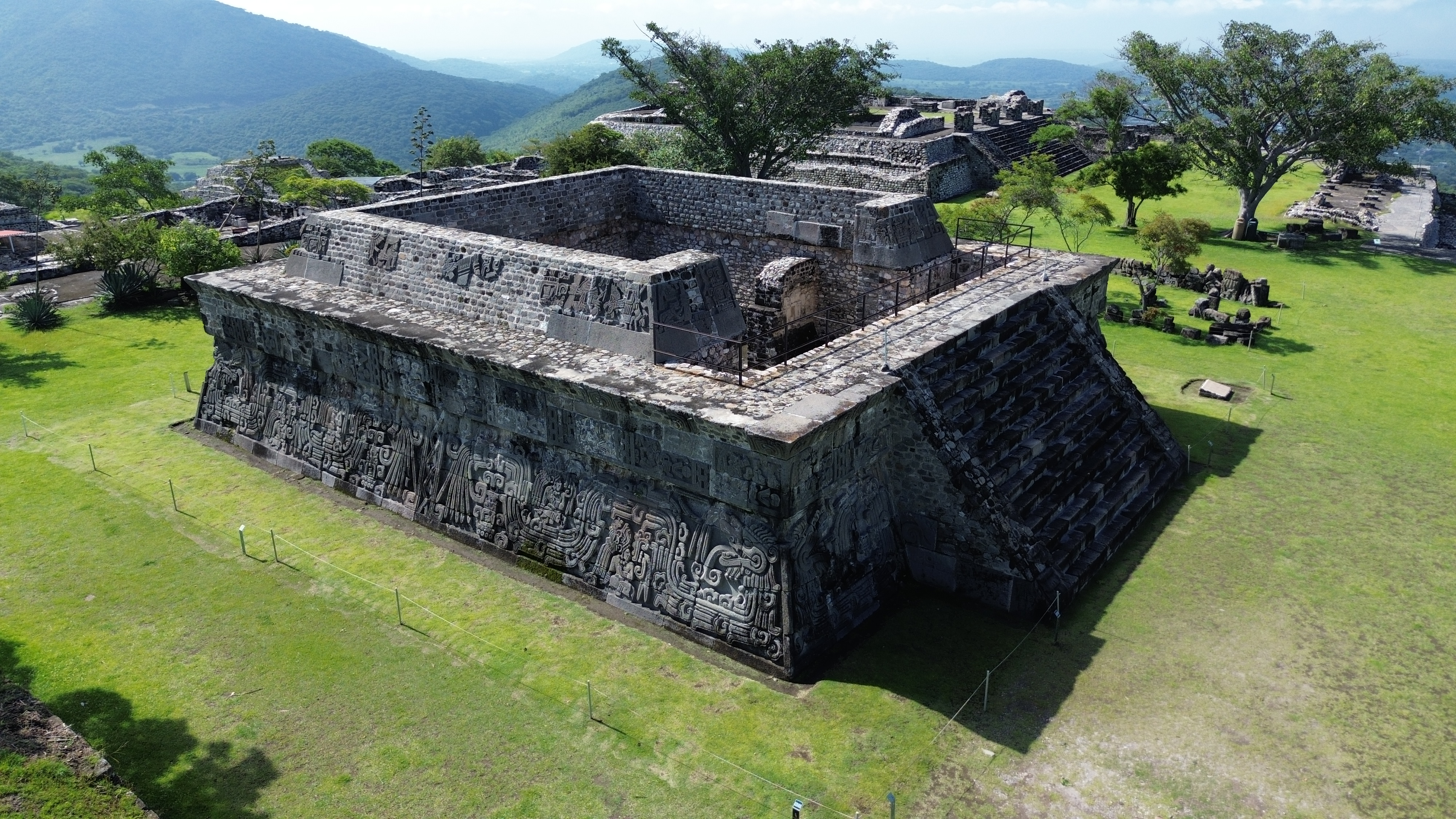
It is the most emblematic building of the indigenous city Xochicalco. Mainly consists of 8 feathered snakes arranged in different positions, distributed 2 on each facade, they are adorned with elements from cultures from Oaxaca, Veracruz and the Mayan area. Between the undulating bodies of three of its façades, an elegant Mayan priests can be seen in a meditation position, and on the west façade, inside the body of the snake a calendar adjustment was represented, the representation of a glyph of a date can be seen (10 House Day) held by one hand, and another pulling a date to replace it (11 Monkey Day) which is interpreted as a calendrical correction that would start a new account in the year 6 Cane.
This calendrical adjustment event was probably attended by towns governments that had a certain relationship with Xochicalco to unify the counting time way, all this during a total eclipse of the sun, which was predicted by the Xochicalcas priests. Possibly this temple is one of the most important reasons for inscribing the Xochicalco Archaeological Monuments Zone on the World Heritage List.

Xochicalco reminds us that everybody wins when we put the common good before our individual differences.





Contact
- Dirección de la Zona Arqueológica y Museo de SitioJosé Cuauhtli Alejandro Medina Romerocuauhtli_medina@inah.gob.mx+52 (737) 374 3090